
Choosing the best brand merch isn't just about slapping your logo on the nearest available product and hoping for the best. In 2026, businesses across Canada are discovering that strategic branded merchandise can transform casual encounters into lasting brand relationships. Whether you're planning a trade show appearance, launching an employee recognition programme, or building customer loyalty, the right promotional products create tangible touchpoints that digital marketing simply can't replicate. But with thousands of options available, how do you identify which items will actually resonate with your audience and deliver measurable returns?
Understanding What Makes Brand Merch Effective
The best brand merch serves multiple purposes simultaneously. It captures attention, communicates your brand values, and provides genuine utility to recipients. Think beyond simple visibility.
Quality matters more than quantity. One premium item that recipients use daily outperforms dozens of forgettable trinkets destined for the bin. When evaluating potential merchandise, consider these essential criteria:
- Relevance to your target audience's lifestyle and needs
- Durability that ensures extended brand exposure
- Design aesthetics that reflect your brand identity
- Practical value that encourages regular use
- Environmental considerations that align with modern values
Research from successful branded merchandise campaigns demonstrates that promotional products generate higher recall rates than digital advertising. Recipients remember the companies behind useful, well-made items.
The Psychology Behind Memorable Merchandise
Promotional products work because they create reciprocity. When someone receives a thoughtful gift, they naturally feel more positively toward the brand. This isn't manipulation; it's fundamental human psychology.
The key is matching the item's perceived value to your relationship with the recipient. Corporate clients expect different standards than event attendees. A £50 premium gift for a key account manager communicates respect and appreciation. That same budget spread across 50 basic items for a trade show creates minimal individual impact.
Categories of High-Performing Brand Merch
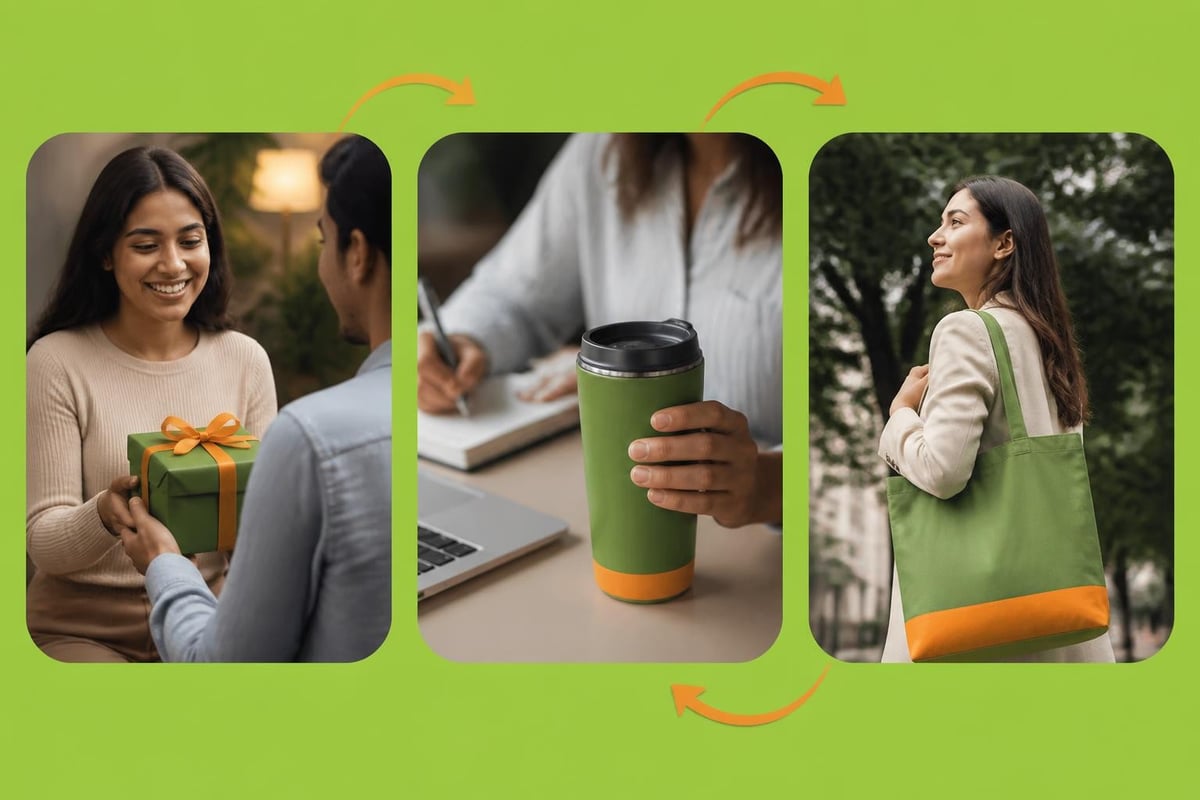
Different merchandise categories serve distinct strategic purposes. Understanding these categories helps you select the best brand merch for specific marketing objectives.
| Category | Best For | Typical ROI Period | Impression Lifespan |
|---|---|---|---|
| Apparel | Brand ambassadors, team building | 3-6 months | 1-3 years |
| Drinkware | Daily use items, eco-conscious messaging | 1-3 months | 1-2 years |
| Tech Accessories | Premium gifts, professional audiences | 2-4 months | 6 months-2 years |
| Office Supplies | Practical giveaways, B2B marketing | 1-2 months | 3-12 months |
| Bags & Totes | Events, retail partnerships | 2-3 months | 1-3 years |
Apparel as Walking Billboards
Branded clothing represents some of the best brand merch investments when executed properly. Quality matters enormously here. Cheap t-shirts get relegated to gym wear or sleep shirts, hidden from public view. Premium apparel becomes part of someone's regular wardrobe rotation.
Consider fabric weight, construction quality, and contemporary styling. A well-fitted polo shirt or stylish hoodie carries your brand into offices, coffee shops, and social settings. Understanding how branded merchandise transforms company identity reveals that apparel creates mobile brand advocates.
Popular apparel choices for 2026 include:
- Performance polos with moisture-wicking technology
- Premium hoodies with thoughtful design details
- Structured caps with quality embroidery
- Sustainable fabric options in contemporary styles
Drinkware That Delivers Daily Impressions
Reusable bottles, insulated tumblers, and ceramic mugs rank among the best brand merch options for sustained visibility. People form habits around their favorite drinkware, creating consistent daily brand exposure.
The sustainability angle strengthens this category. As single-use plastics face increasing scrutiny, providing high-quality reusable drinkware positions your brand as environmentally responsible. Choose items with excellent insulation properties, leak-proof designs, and aesthetically pleasing appearances.
Strategic Selection Based on Your Marketing Goals
The best brand merch aligns perfectly with specific business objectives. Random product selection wastes budgets and opportunities.
Building Brand Awareness
For maximum visibility, prioritize items with large imprint areas and high public exposure potential. Bags, apparel, and outdoor accessories excel here. Your logo needs adequate space and placement for instant recognition.
Awareness-building merchandise checklist:
- Large, uncluttered imprint areas
- High-contrast color combinations
- Items used in public settings
- Universal appeal across demographics
- Affordable enough for volume distribution
Fostering Customer Loyalty
Loyalty-building merch requires higher perceived value and personalization. These items thank existing customers rather than attract new prospects. Think premium quality with exclusive designs or limited availability.
Consider creating tiered programmes where long-term customers receive increasingly premium items. A five-year client anniversary gift should significantly outshine welcome package contents.
Enhancing Employee Engagement
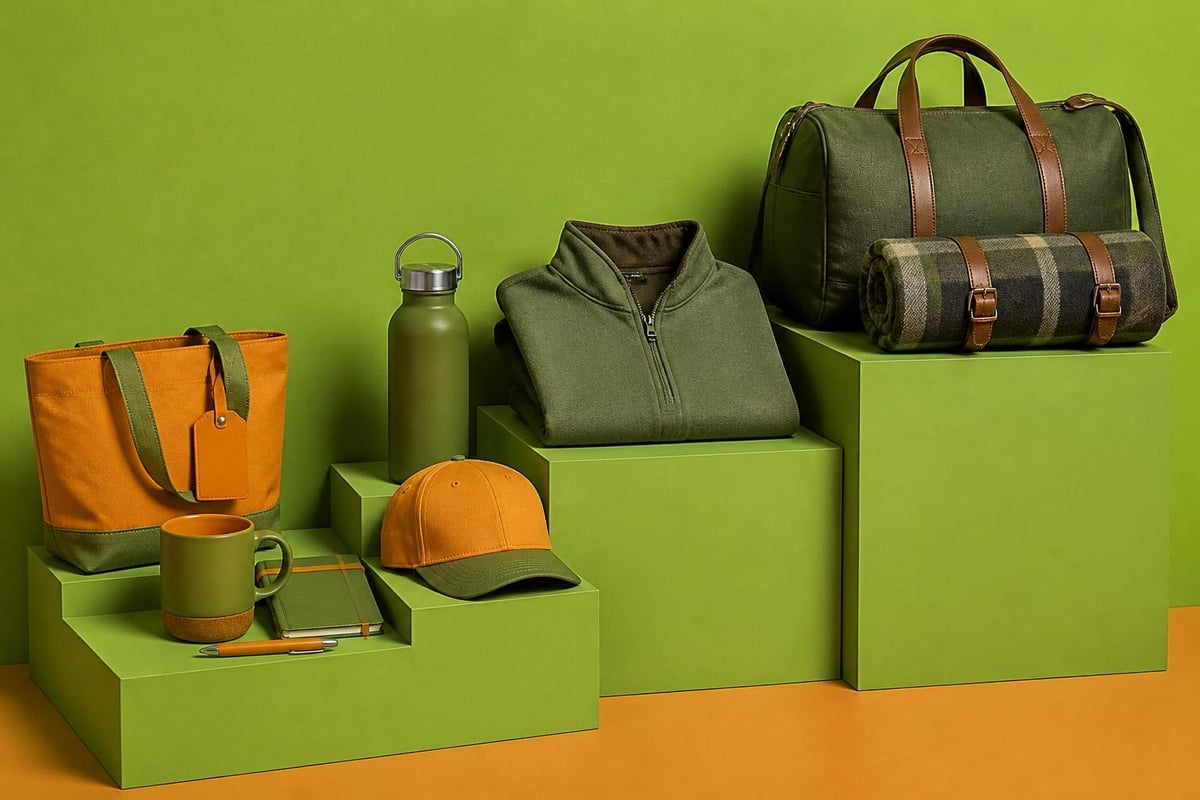
Internal brand merch strengthens company culture and team identity. Employees wearing branded apparel signal pride in their organization. Quality matters even more here because forced uniform wear of poor-quality items breeds resentment.
Case studies in successful brand campaigns show that luxury presentation elevates perceived value. Consider presentation packaging, personal notes, and thoughtful selection that reflects your understanding of employee preferences.
Quality Indicators for the Best Brand Merch
Identifying quality merchandise requires examining specific product characteristics beyond surface appearance.
Material and Construction Standards
Premium merchandise uses superior base materials. For apparel, this means higher thread counts, reinforced stitching, and durable fabrics. For drinkware, look for stainless steel construction, vacuum insulation, and secure lid mechanisms.
Red flags indicating poor quality:
- Loose threads or uneven stitching
- Flimsy materials that feel insubstantial
- Poorly aligned seams or crooked designs
- Chemical odors from cheap dyes or plastics
- Components that feel brittle or weak
Test samples before committing to large orders. Use items yourself for several days to identify potential issues recipients might encounter.
Imprint Quality and Durability
Your logo application method dramatically affects longevity and appearance. The best brand merch uses imprint techniques suited to the product material and intended use.
| Imprint Method | Best Applications | Durability | Detail Level | Cost Factor |
|---|---|---|---|---|
| Embroidery | Apparel, bags | Excellent | Medium | Higher |
| Screen Printing | T-shirts, flat surfaces | Good | High | Moderate |
| Laser Engraving | Metal, wood, leather | Excellent | High | Higher |
| Pad Printing | Small items, curved surfaces | Good | Medium | Lower |
| Full Color Digital | Complex designs, photos | Fair-Good | Very High | Moderate-Higher |
Embroidery offers exceptional durability for apparel but limits fine detail. Digital printing captures complex artwork beautifully but may not withstand industrial washing. Match the technique to your priorities and the item's expected use conditions.
Emerging Trends in Branded Merchandise for 2026
The best brand merch evolves with changing consumer expectations and technological capabilities.
Sustainability as Standard Practice
Eco-friendly merchandise has moved from niche consideration to baseline expectation. Recipients increasingly judge brands by their environmental choices. Sustainable options include recycled materials, organic fabrics, and products designed for longevity rather than disposal.
Look beyond "greenwashing" marketing claims. Verify certifications, understand material sourcing, and choose suppliers committed to genuine sustainability practices. This authenticity resonates with environmentally conscious audiences.
Sustainable merchandise gaining popularity:
- Recycled plastic bottles transformed into apparel
- Bamboo-based products with natural antibacterial properties
- Reusable items that replace single-use alternatives
- Locally sourced materials reducing transportation impact
- Products designed for repairability and extended life
Smart Integration and QR Codes
Technology integration creates interactive experiences beyond static promotional items. Incorporating QR codes into merchandise enables dynamic connections between physical products and digital content.
A QR code on branded apparel might link to exclusive content, loyalty programme enrollment, or social media campaigns. These codes transform passive merchandise into active marketing channels, providing measurable engagement data.
Consider placement carefully. QR codes need adequate size for reliable scanning and positioning where recipients naturally notice them. Test scan-ability from various distances and angles before finalizing designs.
Personalization at Scale
Modern printing technology enables cost-effective personalization that was previously prohibitive. Adding recipient names, custom messages, or individually tailored designs creates emotional connections that generic merchandise cannot match.
Modern personalization workflow showing how variable data printing allows businesses to customize individual promotional products with names, messages, and targeted designs while maintaining production efficiency
Budget Allocation for Maximum Impact
The best brand merch strategy balances investment across quality, quantity, and distribution methods.
Cost Per Impression Calculations
Promotional products deliver impressions over extended periods. A £10 item used daily for two years generates thousands of impressions at fractions of a penny each. Compare this to digital advertising costs where each impression requires separate payment.
Calculate realistic impression estimates:
- Estimate daily use frequency
- Multiply by expected lifespan in days
- Factor in secondary viewers (others who see the item in use)
- Divide total cost by total impressions
This framework reveals that premium items often deliver better cost-per-impression than cheap alternatives with shorter lifespans.
Tiered Budget Strategies
Allocate budgets across multiple merchandise tiers serving different purposes. This approach maximizes flexibility and impact.
Sample tiered allocation:
- 30% premium gifts (£25-50+ per item) for key accounts, major milestones
- 50% mid-range merchandise (£8-25 per item) for client appreciation, employee recognition
- 20% volume giveaways (£2-8 per item) for events, general awareness campaigns
Adjust percentages based on your specific marketing objectives and audience composition. B2B companies typically invest more heavily in premium tiers, whilst consumer brands may emphasize volume distribution.
Practical Selection Process for Best Brand Merch
Systematic evaluation prevents costly mistakes and ensures merchandise aligns with strategic goals.
Audience Analysis First
Begin by deeply understanding your target recipients. What do they value? How do they spend their days? What problems do they face that promotional products might solve?
Create detailed audience profiles including:
- Demographics: age, gender, location, income level
- Lifestyle factors: work environment, hobbies, values
- Pain points: daily frustrations your merchandise could address
- Brand interaction patterns: how they currently engage with your company
- Competing messages: what other promotional items they receive
For offices, practical desk accessories and quality writing instruments maintain visibility throughout workdays. A Post-it® Custom Printed Notepad becomes an everyday tool that keeps your brand at recipients' fingertips whilst they jot notes, create reminders, or leave messages for colleagues.

Sample Testing and Evaluation
Never commit to large orders without personally evaluating samples. Order multiple options, use them in realistic conditions, and gather feedback from team members representing your target audience.
Sample evaluation criteria:
- Physical quality and construction
- Logo reproduction accuracy and clarity
- Practical functionality in intended use cases
- Aesthetic appeal and contemporary styling
- Durability after repeated use or washing
- Packaging presentation quality
- Overall perceived value relative to cost
Document findings systematically. Create comparison matrices scoring each option across relevant criteria. This data-driven approach removes subjective bias and creates justifiable selection rationale.
Distribution Strategies That Maximize Reach
The best brand merch loses effectiveness without thoughtful distribution planning.
Event-Based Distribution
Trade shows, conferences, and corporate events provide concentrated opportunities for merchandise distribution. However, success requires strategy beyond simply staffing a booth with generic giveaways.
Effective event distribution tactics:
- Premium items for qualified leads who demonstrate genuine interest
- Mid-tier merchandise for booth visitors engaging in meaningful conversations
- Lower-cost items with contact information for broader traffic
- Exclusive designs available only at the specific event
- Creative challenges or games where merchandise serves as prizes
Create scarcity and exclusivity. Limited quantities generate urgency and perceived value. "First 100 visitors" promotions drive early traffic and create buzz.
Direct Mail Campaigns
Sending branded merchandise directly to prospects or customers creates personal touchpoints that stand out in increasingly digital communication landscapes. Strategic merchandise campaigns demonstrate measurable ROI when properly executed.
Package presentation dramatically impacts recipient perception. Consider branded boxes, tissue paper, personal notes, and thoughtful arrangement. The unboxing experience creates memorable moments that recipients often share on social media.
Employee Advocacy Programmes
Employees wearing or using branded merchandise become voluntary brand ambassadors. Create programmes that encourage this advocacy through quality products employees genuinely want to use.
Avoid mandatory uniform policies that breed resentment. Instead, offer attractive options and let quality drive organic adoption. When employees proudly wear company apparel outside work hours, you've achieved authentic brand advocacy.
Measuring Merchandise Effectiveness
The best brand merch investments include mechanisms for tracking performance and calculating returns.
Quantifiable Metrics
Establish measurement systems before launching campaigns. Track these key indicators:
- Distribution numbers: quantities distributed across segments
- Response rates: actions taken by merchandise recipients
- Conversion attribution: sales or leads traced to merchandise campaigns
- Retention metrics: how merchandise affects customer loyalty
- Social sharing: online mentions and photographs of branded items
- Cost per acquisition: total merchandise investment divided by new customers gained
Use unique codes, special URLs, or QR codes on merchandise to create trackable digital connections. This data reveals which products and distribution strategies deliver optimal returns.
Qualitative Feedback
Numbers tell part of the story. Supplement quantitative data with qualitative feedback capturing recipient perceptions and emotional responses.
Conduct post-campaign surveys asking:
- Do you remember receiving our branded merchandise?
- Do you still have the item? If not, why not?
- How often do you use it?
- How does this item affect your perception of our brand?
- Would you like to receive similar items in future?
These insights identify opportunities for improvement and validate strategic direction. Exploring unique promotional items can spark creative approaches based on what resonates with your specific audience.
Common Mistakes to Avoid
Even experienced marketers make costly errors when selecting branded merchandise. Learn from these frequent missteps.
Prioritizing Cost Over Quality
Choosing the cheapest option almost always backfires. Recipients judge your brand by the quality of items bearing your logo. Flimsy merchandise communicates that your company cuts corners and doesn't value quality.
Budget consciousness makes sense, but never sacrifice minimum quality standards. Better to distribute fewer premium items than masses of forgettable throwaways.
Ignoring Practical Considerations
Merchandise that looks impressive in catalogs may prove impractical in real-world use. Heavy items create shipping costs and carrying inconvenience. Oddly shaped products don't fit in standard bags or storage spaces. Items requiring batteries or special maintenance create ongoing hassle.
Practical factors to evaluate:
- Weight and portability for items distributed at events
- Size and storage requirements in typical home or office environments
- Maintenance needs like battery replacement or special cleaning
- Seasonal appropriateness for intended distribution timing
- Universal usability across diverse recipient populations
Generic Designs Without Brand Integration
Your logo slapped onto standard merchandise creates minimal impact. The best brand merch integrates your visual identity thoughtfully into product design.
Consider custom colors matching brand guidelines, pattern designs incorporating brand elements, or unique shapes reflecting company personality. Awards recognition programmes show how customization creates meaningful connections between products and brand identity.
The best brand merch creates lasting impressions that digital marketing alone cannot achieve, transforming everyday items into powerful brand ambassadors that generate thousands of impressions over extended periods. By focusing on quality, strategic alignment with marketing objectives, and thoughtful audience consideration, your branded merchandise investments deliver measurable returns and strengthen relationships with customers, employees, and prospects. The Promo Hut helps Canadian businesses across all sectors select and customize promotional products that truly resonate, combining personalized service with competitive pricing to ensure your branded merchandise achieves its full marketing potential.