
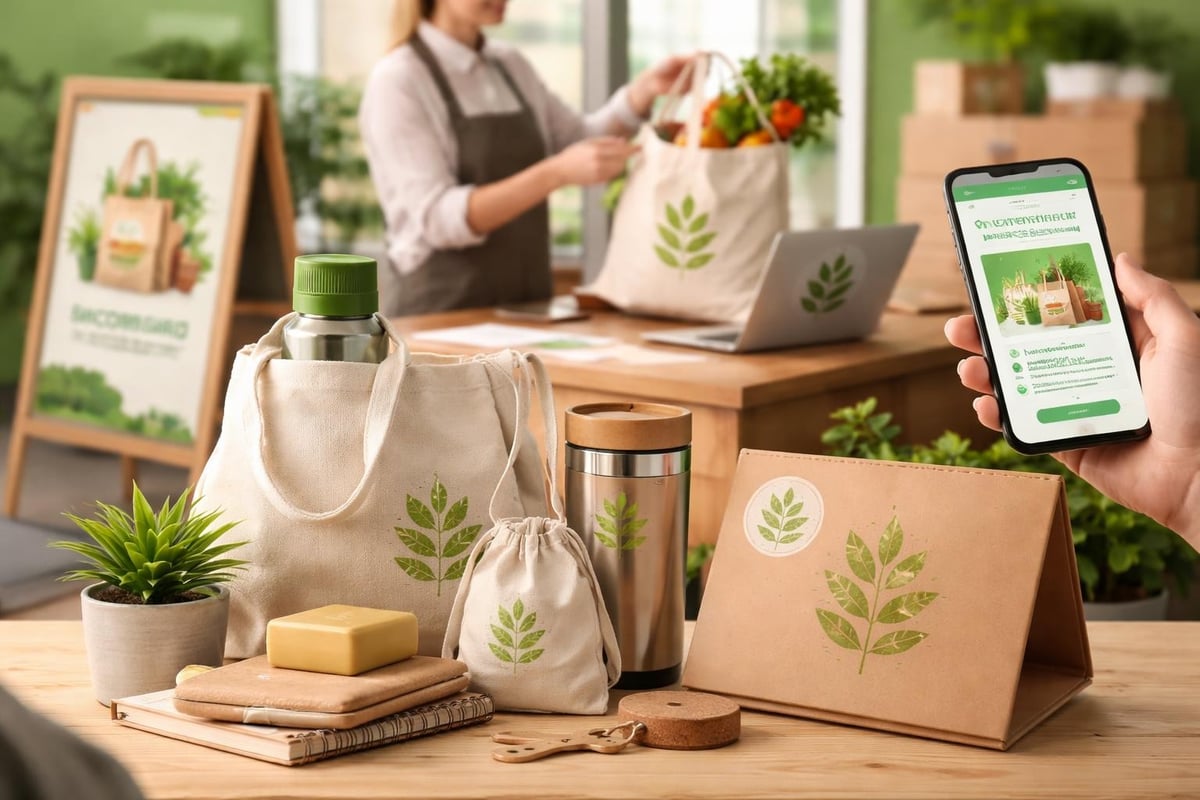
The shift toward sustainable business practices isn't just a trend anymore. It's a fundamental change in how companies connect with their audiences. In 2026, branded eco friendly products have moved from niche offerings to mainstream marketing essentials, driven by consumer demand and genuine environmental concerns. For businesses across Canada, selecting promotional merchandise that aligns with sustainability values creates a powerful dual impact: strengthening brand perception while contributing to environmental stewardship. The question isn't whether to go green with your branded merchandise, but rather how to do it authentically and effectively.
Why Branded Eco Friendly Products Matter to Your Marketing Strategy
Consumers have become increasingly sophisticated about environmental claims. They're reading labels, researching materials, and holding brands accountable for their sustainability statements. When you choose branded eco friendly products, you're not just selecting promotional items – you're making a statement about your company's values.
The business case for sustainable merchandise is compelling:
- Enhanced brand perception: Companies using eco-conscious promotional products are viewed as forward-thinking and responsible
- Increased customer loyalty: 73% of millennials are willing to pay more for sustainable products
- Extended product lifespan: Quality sustainable items often outlast conventional alternatives
- Positive media attention: Green initiatives generate press coverage and social media engagement
- Employee pride: Staff appreciate working for environmentally conscious organizations
Beyond these advantages, eco-friendly promotional products help businesses meet corporate social responsibility goals whilst delivering tangible marketing value. The key lies in selecting items that recipients actually use rather than discard.

Understanding Sustainable Materials and Production Methods
Not all eco-friendly claims are created equal. Understanding the materials and processes behind branded eco friendly products helps you make informed decisions and avoid greenwashing accusations. Greenwashing – the practice of making misleading environmental claims – damages brand credibility faster than any marketing campaign can build it.
Popular Sustainable Materials in Promotional Products
| Material | Environmental Benefit | Best Product Applications | Considerations |
|---|---|---|---|
| Bamboo | Rapidly renewable, biodegradable | Pens, drinkware, tech accessories | Ensure sustainable harvesting certification |
| Recycled PET | Diverts plastic from landfills | Bags, apparel, lanyards | Check percentage of recycled content |
| Organic Cotton | Pesticide-free, lower water usage | T-shirts, tote bags, apparel | GOTS certification preferred |
| Cork | Renewable, biodegradable | Notebooks, coasters, keychains | Harvesting doesn't harm trees |
| Wheat Straw | Agricultural byproduct | Drinkware, office accessories | Lightweight but durable |
| FSC-Certified Wood | Responsibly managed forests | Premium gifts, desk items | Wood promotional products offer natural aesthetics |
The production process matters as much as the materials themselves. Carbon-neutral manufacturing, water-based inks, and ethical labour practices all contribute to a product's genuine sustainability credentials.
Certifications That Build Credibility
When sourcing branded eco friendly products, look for recognized certifications rather than vague "eco" labels. Third-party verification provides assurance that products meet established environmental standards.
Key certifications include:
- Global Organic Textile Standard (GOTS)
- Forest Stewardship Council (FSC)
- Fair Trade Certified
- OEKO-TEX Standard 100
- Carbon Neutral certification
- Cradle to Cradle Certified
These credentials don't just validate your environmental claims; they protect your brand from greenwashing accusations and demonstrate due diligence to increasingly discerning customers.
Popular Categories of Eco-Friendly Branded Merchandise
The range of sustainable promotional products has expanded dramatically. What once meant basic recycled pens now encompasses sophisticated merchandise across every category. Selecting the right items for your audience requires understanding both environmental impact and practical utility.
Sustainable Drinkware and Food Accessories
Reusable drinkware remains one of the most impactful categories for branded eco friendly products. A single reusable bottle or coffee cup can eliminate hundreds of single-use containers annually.
Options include stainless steel water bottles, bamboo travel mugs, and glass containers with protective sleeves. The longevity of these items means your brand receives extended exposure whilst recipients reduce their environmental footprint.
Lunch containers, reusable food wraps, and bamboo cutlery sets appeal to environmentally conscious professionals who pack meals. These items integrate seamlessly into daily routines, creating consistent brand touchpoints.
Eco-Friendly Apparel and Accessories
Corporate apparel manufactured from sustainable materials offers excellent brand visibility whilst meeting environmental standards. Organic cotton t-shirts, recycled polyester jackets, and hemp-blend hoodies provide comfortable, durable options.
The textile industry's environmental impact has driven significant innovation. Recycled fabrics now match or exceed conventional materials in quality and performance. When selecting apparel, consider the complete lifecycle: sustainable materials, ethical manufacturing, durability, and end-of-life recyclability.
Accessories like recycled PET bags, cork wallets, and organic cotton caps complement apparel offerings. These items typically see daily use, maximizing brand exposure.

Office and Tech Products With Environmental Credentials
Office environments generate significant waste, making sustainable supplies particularly relevant. Branded eco friendly products in this category demonstrate commitment to reducing workplace environmental impact.
Notebooks made from recycled paper, pens manufactured from wheat straw or bamboo, and desk accessories crafted from reclaimed materials serve practical purposes whilst reinforcing sustainability messages. For higher-value items, consider solar-powered chargers, wireless charging pads made from bamboo, or USB drives housed in recycled materials.
One particularly effective option combines utility with sustainability: Post-it® Custom Printed Notepad products offer premium quality whilst being recyclable and featuring vibrant full-colour branding that keeps your message front and centre on desks throughout the workday.

Strategic Selection: Matching Products to Your Brand and Audience
Choosing branded eco friendly products requires more consideration than conventional promotional items. Authenticity matters. If your company lacks genuine environmental initiatives, suddenly distributing green merchandise appears opportunistic rather than authentic.
Aligning Products With Brand Values
Start with these questions:
- What environmental initiatives does our company already support?
- Which sustainable values resonate most with our target audience?
- What products align with our industry and brand identity?
- How can we ensure product quality matches our brand standards?
- What budget allows for genuine sustainability versus token gestures?
A tech company might prioritize solar chargers and recycled electronics accessories. A wellness brand could focus on reusable water bottles and organic cotton yoga gear. Financial services might select premium recycled leather notebooks and FSC-certified wooden desk items.
The connection between your brand identity and chosen products strengthens authenticity. Random selection of "green" items without strategic alignment undermines credibility.
Understanding Your Audience's Environmental Priorities
Different demographics value different aspects of sustainability. Generation Z prioritizes carbon footprint and circular economy principles. Millennials often focus on ethical labour practices and transparency. Older demographics may emphasize quality, durability, and timeless design over trend-driven sustainability.
Research your specific audience. Survey existing customers about environmental priorities. Monitor social media conversations. Review purchasing behaviour data. This intelligence guides product selection toward items recipients genuinely value and use.
What today’s consumers expect from eco-friendly brand merchandise has evolved significantly, with transparency and genuine commitment taking precedence over superficial green claims.
Production Considerations and Printing Methods
The environmental impact of branded eco friendly products extends beyond materials to include decoration methods. Traditional screen printing may use plastisol inks containing PVC and phthalates. Modern alternatives offer superior environmental profiles without sacrificing quality.
Sustainable Decoration Techniques
| Method | Environmental Advantages | Best Applications | Limitations |
|---|---|---|---|
| Water-based inks | No harmful chemicals, softer feel | Apparel, fabric bags | Requires proper curing |
| Digital printing | Minimal waste, no setup materials | Short runs, complex designs | Cost-effective for smaller quantities |
| Laser engraving | No inks or chemicals | Wood, metal, leather, glass | Limited to certain materials |
| Embroidery | Durable, no chemicals | Apparel, bags, caps | Higher cost per item |
| Debossing | Chemical-free impression | Leather, paper products | Subtle aesthetic |
Eco-friendly inks made from soy, vegetable oils, or water-based formulations dramatically reduce environmental impact compared to petroleum-based alternatives. These options perform excellently whilst eliminating toxic chemicals from the production process.
When discussing decoration with your supplier, ask specific questions about ink composition, curing processes, waste disposal, and whether they follow environmental marketing guidelines established by regulatory bodies.
Packaging and Shipping Considerations
The environmental story doesn't end with product selection. Packaging and distribution significantly impact overall sustainability. Request minimal packaging using recycled or biodegradable materials. Avoid individual plastic wrapping where possible.
Consolidated shipping reduces carbon footprint. Planning ahead allows slower, more efficient transportation methods rather than rush shipping that increases emissions. Some suppliers offer carbon-neutral shipping options that offset transportation emissions.
Consider whether packaging itself can serve promotional purposes. A branded box made from recycled cardboard that recipients can reuse adds value whilst reducing waste.
Communicating Your Sustainability Story Effectively
Selecting branded eco friendly products represents just half the marketing equation. Effectively communicating your environmental commitment amplifies impact whilst building brand equity. However, messaging requires careful balance between promotion and authenticity.
Transparency Builds Trust
Today's consumers are skeptical of vague environmental claims. "Eco-friendly" and "green" mean little without specific details. Instead, communicate concrete information:
- "Made from 100% post-consumer recycled plastic bottles"
- "Certified organic cotton grown without pesticides"
- "FSC-certified bamboo from sustainably managed forests"
- "Carbon-neutral manufacturing with verified offsets"
Provide context about why you selected particular products. Share the environmental impact: "Each reusable bottle eliminates approximately 167 single-use plastic bottles annually." Quantifiable benefits resonate more powerfully than abstract claims.
Multi-Channel Environmental Messaging
Integrate your sustainable merchandise into broader marketing communications. Don't limit the story to product tags.
Effective channels include:
- Social media posts highlighting product sustainability features
- Email campaigns explaining environmental choices
- Website content detailing your green marketing strategies
- Event signage showcasing eco-friendly giveaway credentials
- Blog posts exploring your sustainability journey
Current trends in sustainable branded merchandise show that companies sharing their environmental journey, including challenges and learnings, build stronger connections than those claiming perfection.
Avoiding Greenwashing Pitfalls
Authenticity matters more than perfection. If your company is beginning a sustainability journey rather than completing it, acknowledge this honestly. "We're working toward more sustainable practices" resonates better than exaggerated claims customers can easily verify.
Avoid these common greenwashing mistakes:
- Vague language without specific details
- Highlighting one green attribute whilst ignoring significant environmental impacts elsewhere
- Using nature imagery to suggest environmental benefits without substance
- Making claims without third-party verification
- Focusing on legally required practices as special environmental achievements
When selecting promotional items, request documentation supporting environmental claims. Reputable suppliers provide certifications, material composition details, and manufacturing process information.
Budgeting for Sustainable Promotional Products
A common misconception suggests branded eco friendly products always cost more than conventional alternatives. Whilst premium sustainable items do command higher prices, the cost gap has narrowed significantly as production scales and technology advances.
Cost Comparison and Value Analysis
Price represents just one component of total value. Consider these factors:
Initial cost vs. lifecycle value:
- Sustainable products often last longer, providing extended brand exposure
- Higher quality reduces replacement frequency
- Recipients perceive greater value, enhancing brand perception
- Environmental benefits generate positive PR worth quantifying
Volume considerations:
- Larger orders reduce per-unit costs significantly
- Some eco-friendly items reach price parity with conventional products at scale
- Strategic timing around production cycles improves pricing
Many businesses discover that shifting budget from quantity to quality yields better results. Distributing 500 premium sustainable items that recipients use for years outperforms 2,000 cheap conventional products that end up discarded.
Strategic Budget Allocation
Rather than converting your entire promotional product budget to eco-friendly items overnight, consider phased implementation:
- Year one: Replace highest-visibility items with sustainable alternatives
- Year two: Transition mid-tier promotional products
- Year three: Achieve comprehensive sustainable merchandise programme
This approach manages costs whilst demonstrating progressive commitment. It also allows testing different products and suppliers before full-scale investment.
Measuring Impact and ROI of Sustainable Promotional Products
Quantifying the return on investment from branded eco friendly products requires tracking both traditional marketing metrics and environmental impact indicators. This dual measurement demonstrates value to stakeholders whilst refining future strategies.
Marketing Performance Metrics
Standard promotional product KPIs apply:
- Brand recall and recognition rates
- Recipient usage frequency and duration
- Social media mentions and engagement
- Website traffic from promotional campaigns
- Lead generation and conversion attribution
- Customer acquisition cost comparison
Survey recipients about their perception of your brand before and after receiving eco-friendly merchandise. Measure whether sustainable products influence purchasing decisions, particularly among environmentally conscious demographics.
Environmental Impact Measurement
Quantify the environmental benefits your branded eco friendly products deliver:
- Plastic waste diverted from landfills
- Carbon emissions reduced through reusable products
- Water saved through sustainable materials
- Trees preserved via recycled paper products
Some suppliers provide impact calculators showing the environmental difference your order makes. This data supports internal sustainability reporting and external marketing communications.
Successful case studies demonstrate how companies leverage both marketing and environmental metrics to justify and expand sustainable merchandise programmes.
Future Trends in Eco-Friendly Branded Merchandise
The branded eco friendly products landscape continues evolving rapidly. Staying informed about emerging trends positions your business as an environmental leader rather than follower.
Circular Economy Integration
Moving beyond recyclable toward truly circular products represents the next frontier. These items are designed for complete lifecycle management: sustainable sourcing, extended use, easy repair, and eventual return to the manufacturer for recycling into new products.
Some promotional product suppliers now offer take-back programmes where old items are collected and transformed into new merchandise. This closed-loop approach eliminates waste whilst maintaining ongoing brand relationships.
Innovative Materials and Technologies
Emerging sustainable materials include:
- Mycelium-based leather alternatives
- Ocean-bound plastic recovered before reaching waterways
- Agricultural waste transformed into durable composites
- Algae-based bioplastics
- Recycled textile blends with enhanced performance
Technology advances continue improving sustainable product performance. Solar charging capabilities, biodegradable electronics components, and plant-based packaging innovations expand possibilities for branded eco friendly products.
Transparency Through Technology
Blockchain and QR code technology enable complete supply chain transparency. Recipients can scan products to view sustainability certifications, manufacturing locations, material sources, and carbon footprint calculations.
This level of transparency builds trust whilst educating audiences about environmental impacts. Forward-thinking brands embrace this openness, recognizing that informed consumers become loyal advocates.
Personalization Meets Sustainability
Advances in sustainable decoration methods enable greater personalization without environmental compromise. Digital printing techniques using eco-friendly inks allow customization that was previously impractical or environmentally costly.
Personalized sustainable products combine the emotional impact of individualization with environmental responsibility. This powerful combination drives engagement whilst reinforcing brand values.
Selecting the Right Supplier for Eco-Friendly Promotional Products
Your promotional products supplier significantly influences the authenticity and effectiveness of your sustainable merchandise programme. Choosing partners committed to genuine environmental practices ensures product quality and claim verification.
Questions to Ask Potential Suppliers
Evaluate suppliers with these inquiries:
- What certifications do your eco-friendly products carry?
- Can you provide documentation for environmental claims?
- What sustainable materials do you offer, and how are they sourced?
- Which decoration methods minimize environmental impact?
- How do you ensure ethical labour practices throughout your supply chain?
- What packaging options reduce waste?
- Do you offer carbon-neutral shipping?
- Can you help calculate the environmental impact of my order?
Suppliers experienced with branded eco friendly products should answer these questions readily and provide supporting documentation. Hesitation or vague responses suggest limited genuine sustainability commitment.
Local vs. International Sourcing
For Canadian businesses, sourcing from domestic or North American suppliers reduces transportation emissions whilst supporting local economies. However, some specialized eco-friendly products require international sourcing.
Balance carbon footprint considerations with product availability and cost. Sometimes a superior sustainable product from overseas delivers better overall environmental impact than a less eco-friendly local alternative.
When working with companies like those specializing in custom logo products, discuss sourcing strategies that align with your specific environmental priorities and budget constraints.
Branded eco friendly products represent more than a marketing tactic; they're a strategic investment in your brand's future and our planet's health. By selecting sustainable merchandise thoughtfully, communicating transparently, and measuring impact comprehensively, your business can build genuine environmental credibility whilst achieving marketing objectives. The Promo Hut helps Canadian businesses navigate the sustainable promotional products landscape with expert guidance, quality options, and personalized service that ensures your eco-friendly merchandise programme succeeds on every level.