
Your branded products logo is more than just a pretty picture slapped onto merchandise. It's the visual anchor of your brand identity, the symbol that instantly communicates who you are and what you stand for. When applied thoughtfully to promotional products, your logo transforms ordinary items into powerful brand ambassadors that work tirelessly in the real world. Whether you're outfitting your team, thanking loyal clients, or making waves at trade shows, understanding how to properly deploy your logo across branded products is essential for building recognition and trust in 2026's competitive marketplace.
Understanding Branded Products Logo Fundamentals
A branded products logo isn't simply your standard corporate logo. It's a carefully adapted version optimized for the unique challenges of physical merchandise. Different products require different approaches.
Why Logo Adaptation Matters for Merchandise
Your website logo might look stunning on a 27-inch monitor, but will it translate to a 2-inch embroidery patch? The technical requirements of branded products logo applications differ dramatically from digital or print advertising. Fabric weaves, engraving limitations, screen printing mesh counts, and material textures all influence how your logo performs.
Consider these critical factors:
- Fabric density and thread count for embroidered applications
- Minimum feature sizes for detailed elements
- Color limitations based on printing method
- Material surface texture and reflectivity
- Product curvature and dimensional constraints
Many businesses discover too late that their intricate logo design simply doesn't work on a polo shirt or water bottle. Proper logo usage guidelines help you navigate these technical challenges before investing in hundreds of units.
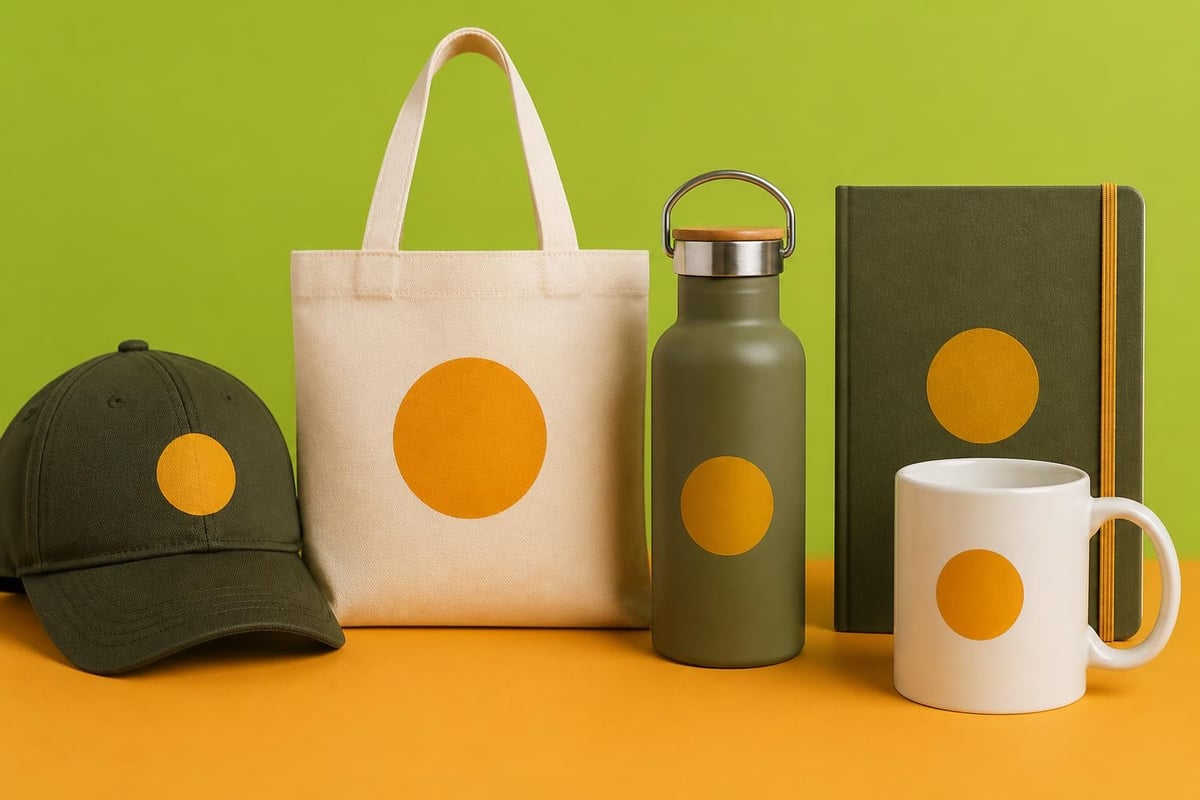
Creating Merchandise-Ready Logo Versions
Smart brands maintain multiple logo versions specifically for promotional products. Your branded products logo library should include simplified alternatives that maintain brand recognition whilst meeting production constraints.
| Logo Version | Best Used For | Typical Specifications |
|---|---|---|
| Full Color | Digital printing, full-color transfers | All brand colors, fine details preserved |
| Two-Color | Screen printing, basic embroidery | Primary and secondary colors only |
| Single-Color | Engraving, debossing, single-color prints | Monochromatic, high contrast |
| Icon Only | Small items, tight spaces | Simplified symbol without wordmark |
This approach ensures you're never caught without a suitable option when selecting promotional products. The University of Wisconsin-Madison’s logo usage standards demonstrate how institutional brands maintain flexibility whilst protecting brand integrity.
Placement Strategies That Maximize Impact
Where you position your branded products logo dramatically affects both visibility and perceived value. Strategic placement turns functional items into walking billboards.
Prime Real Estate on Popular Product Categories
Apparel placement zones:
- Left chest (classic professional positioning)
- Full back (maximum visibility and creative freedom)
- Sleeve (subtle yet distinctive)
- Hood or collar (unexpected detail points)
Drinkware and office items:
- 360-degree visibility zones on bottles and mugs
- Top panel or front pocket on bags
- Cover or spine on notebooks
- Clip or barrel on pens
The Utah State University branded goods guidelines offer excellent examples of how educational institutions approach systematic logo placement across diverse product lines.
Your branded products logo should occupy premium space without overwhelming the product itself. Balance is key. A tastefully placed logo suggests confidence and quality, whilst excessive branding can appear desperate or cheap.
Size and Proportion Guidelines
Getting the size right separates professional branded merchandise from amateur attempts. Too small, and your logo disappears. Too large, and you've created a billboard that nobody wants to wear or use.
General sizing principles:
- Embroidered logos on apparel: 3-4 inches wide for left chest, 10-12 inches for full back
- Screen printed t-shirts: 12-14 inches for chest prints, up to 18 inches for back designs
- Drinkware: Typically 2-3 inches maximum dimension
- Bags and totes: Proportional to bag size, usually 4-8 inches
- Small items (pens, USB drives): As large as space permits whilst maintaining clarity
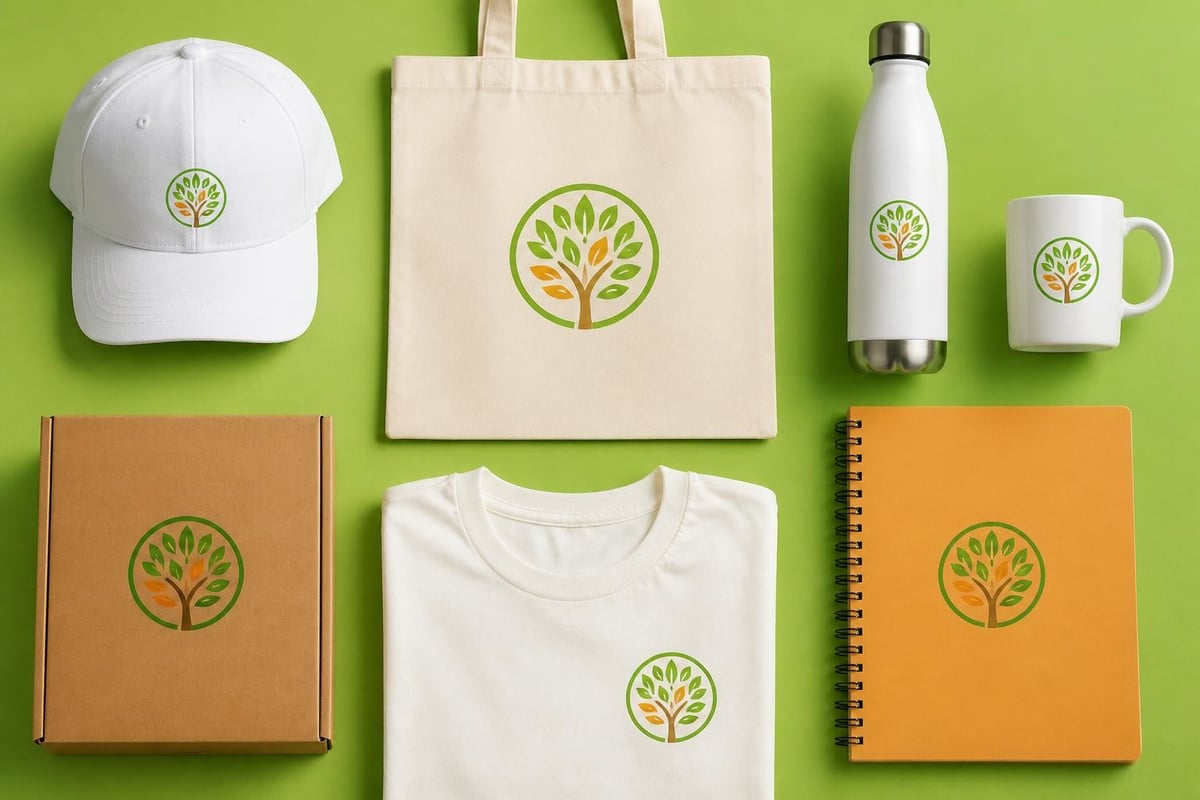
Remember that your branded products logo needs breathing room. Clear space around your logo prevents visual clutter and ensures it remains the focal point. VistaPrint’s comprehensive logo usage guidelines provide excellent frameworks for maintaining proper proportions across various applications.
Technical Specifications for Production Methods
Different decoration methods impose unique requirements on your branded products logo. Understanding these technical constraints prevents costly mistakes and disappointing results.
Embroidery Requirements and Limitations
Embroidery creates a premium, durable branded products logo application, but it's also the most technically demanding method. Thread count, fabric type, and design complexity all matter.
Embroidery specifications:
- Minimum letter height: 3-4mm for legibility
- Avoid fine lines under 1mm in width
- Limit small text and intricate details
- Consider thread color availability
- Account for fabric push compensation
Complex gradients and photographic elements simply don't translate to embroidery. Simplify your branded products logo for threaded applications, focusing on bold shapes and clean lines. Many businesses maintain a dedicated "embroidery version" with reduced detail specifically for this purpose.
Screen Printing Considerations
Screen printing offers vibrant colors and durability at competitive prices, making it ideal for large orders. However, each color requires a separate screen, affecting both cost and complexity.
| Aspect | Single-Color | Multi-Color | Full-Color |
|---|---|---|---|
| Cost per unit | Lowest | Moderate | Higher |
| Setup complexity | Simple | Moderate | Complex |
| Color accuracy | Excellent | Very good | Variable |
| Best for | Simple logos | Brand-colored designs | Photographic images |
Your branded products logo should ideally use spot colors rather than process colors for screen printing. This ensures consistency across orders and reduces costs. Docusign’s brand guidelines demonstrate how technology companies maintain logo integrity across various printing methods.
Digital Printing and Direct-to-Garment
Modern digital printing technology has revolutionized branded products logo applications. Direct-to-garment (DTG) printing and dye sublimation enable full-color designs without setup fees or color limitations.
These methods excel when your branded products logo includes:
- Photographic elements or gradients
- More than four colors
- Fine details and small text
- Complex artwork unsuitable for traditional methods
However, digital printing typically costs more per unit than screen printing for large orders. It's perfect for small batches, customization, or testing designs before committing to bulk production.
Color Accuracy and Brand Consistency
Maintaining color consistency across diverse promotional products presents genuine challenges. Your branded products logo should look recognizably "on-brand" whether it's embroidered on a jacket, printed on a mug, or laser-engraved on a pen.
Establishing Your Color Standards
Professional brands specify colors using multiple systems to ensure consistency across production methods:
- Pantone Matching System (PMS) for spot color printing and fabric matching
- CMYK values for four-color process printing
- RGB values for digital displays and proofs
- HEX codes for web and digital applications
- Thread color numbers for embroidery
Your branded products logo documentation should include all these specifications. This prevents the "telephone game" effect where your royal blue gradually shifts toward navy through multiple production cycles. The TROY brand design guidelines showcase how comprehensive color systems maintain brand integrity across diverse applications.
Managing Color Variation Across Materials
Here's an uncomfortable truth: your branded products logo will never look identical on every material. Fabric absorbs ink differently than plastic. Metal reflects light differently than paper. Glass, ceramic, and vinyl all impose their own characteristics.
Strategies for consistency:
- Approve physical samples before bulk production
- Understand material-specific limitations upfront
- Maintain flexibility within defined parameters
- Focus on recognizability over perfect matching
- Document acceptable variation ranges
The Essendant brand standards provide excellent examples of how distribution companies address these realities whilst maintaining cohesive branding.
Common Logo Application Mistakes to Avoid
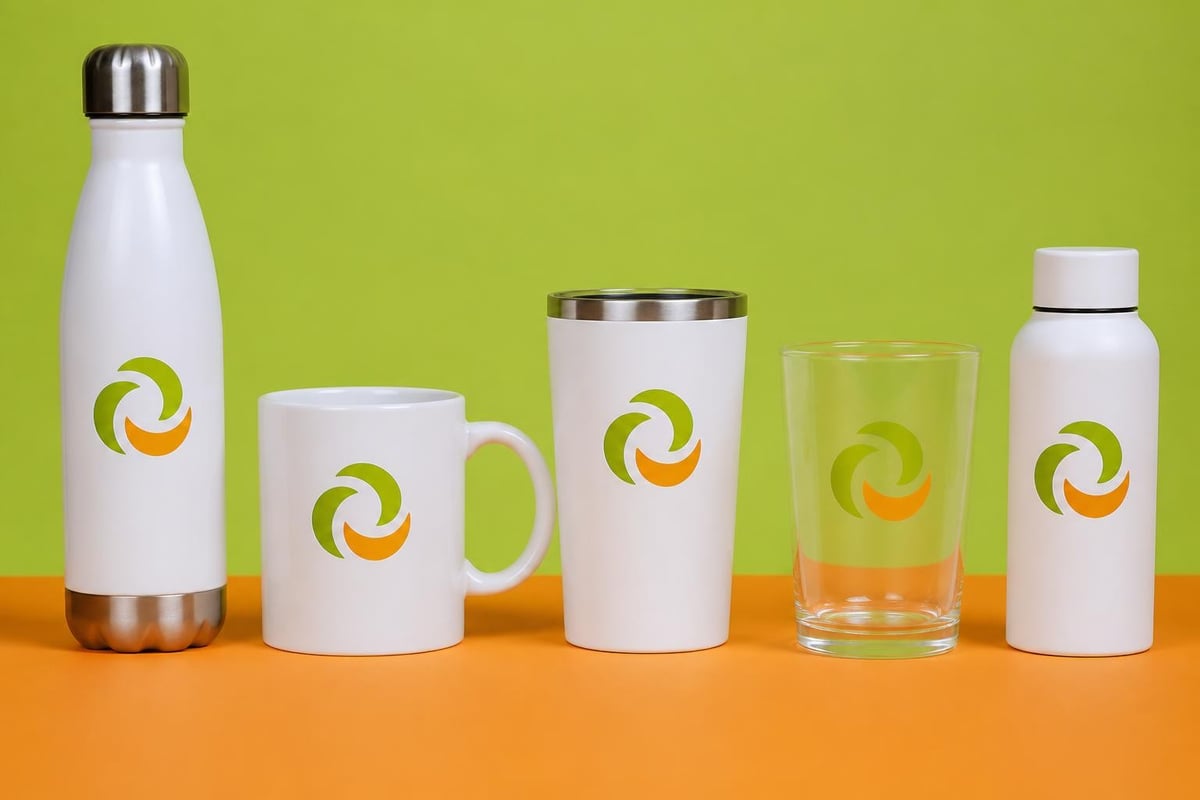
Even experienced marketing teams make costly mistakes when applying logos to promotional products. Learning from these common errors saves time, money, and brand reputation.
Oversized or Undersized Logos
The most frequent branded products logo mistake is getting the scale wrong. An oversized logo screams "free promotional item," reducing the product's perceived value and making recipients less likely to use it. Conversely, logos too small to read defeat the entire purpose.
Scale appropriately by considering:
- Product function and typical viewing distance
- Target audience and usage context
- Overall design balance and aesthetics
- Production method capabilities
- Brand positioning (premium vs. budget)
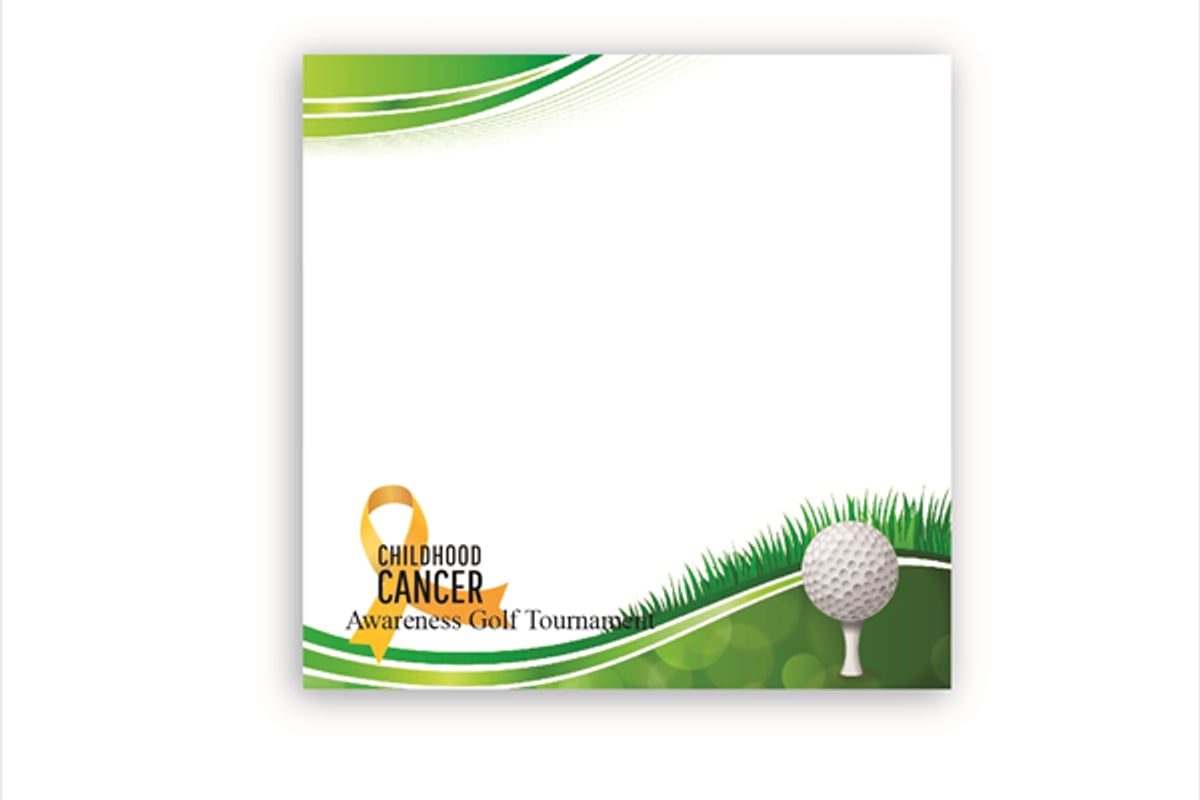
When working with items like the Post-it® Custom Printed Notepad, you'll want your branded products logo sized to be noticeable without overwhelming the functional workspace of each sheet.
Ignoring Production Limitations
Another classic mistake involves designing a branded products logo application without consulting production capabilities first. Your beautiful full-color gradient logo might be impossible to embroider or prohibitively expensive to screen print.
Production reality checks:
- Verify minimum line widths for chosen decoration method
- Confirm color matching capabilities before approval
- Understand material-specific constraints
- Budget for setup fees and color charges
- Request pre-production samples when possible
The research presented in this comparative analysis of logo classification models demonstrates how even artificial intelligence systems struggle with logo recognition when designs are poorly adapted to their application context.
Inconsistent Brand Application
Your branded products logo should follow the same standards whether it's on a pen, a jacket, or a trade show banner. Inconsistency erodes brand recognition and appears unprofessional.
Create a comprehensive brand standards document that specifies:
- Approved logo variations and when to use each
- Minimum clear space requirements
- Prohibited modifications and usage examples
- Color specifications across all systems
- Placement guidelines for common product categories
- Approved partners and suppliers for production
This documentation becomes your branded products logo rulebook, ensuring everyone from internal teams to external suppliers maintains consistency.
Optimizing Logos for Different Product Categories
Not all promotional products are created equal. Your branded products logo strategy should adapt to each category's unique characteristics and user expectations.
Apparel and Wearables
Clothing and wearables represent your most visible branded products logo applications. Recipients become walking advertisements, making quality and taste paramount.
Apparel-specific considerations:
- Professional versus casual contexts
- Industry norms and expectations
- Garment color and logo contrast
- Decoration durability through washing
- Seasonal appropriateness
Corporate apparel typically favours subtle, professional placements like left chest embroidery. Event shirts might embrace bold, creative designs. Understanding context guides your branded products logo decisions.
Office and Desk Items
Pens, notebooks, mousepads, and desk accessories spend extended time in users' immediate visual field. Your branded products logo on these items benefits from repeated exposure without appearing pushy.
Office item strategies:
- Integrate logos naturally into product design
- Consider functional space limitations
- Balance branding with usability
- Choose decoration methods that withstand handling
- Maintain professional aesthetics for B2B contexts
Research on brand logo visibility and placement reveals how strategic positioning influences both conscious attention and subconscious brand recall over time.
Drinkware and Food-Related Products
Water bottles, coffee mugs, and lunch containers accompany people throughout their day, offering excellent brand exposure. However, these products face harsh conditions including dishwashers, microwaves, and daily handling.
| Decoration Method | Durability | Visual Impact | Cost |
|---|---|---|---|
| Screen printing | Good | High | Low |
| Laser engraving | Excellent | Moderate | Moderate |
| Full-color wrap | Good | Very high | High |
| Etching | Excellent | Moderate | Low-Moderate |
Your branded products logo application method should match the expected product lifespan and usage intensity. Premium stainless steel bottles merit durable laser engraving, whilst disposable cups work fine with basic printing.
Tech Accessories and Electronics
USB drives, phone chargers, wireless earbuds, and similar tech products appeal to modern audiences but present unique branding challenges due to small surface areas and curved shapes.
Tech product logo strategies:
- Embrace minimalist logo versions
- Consider laser engraving for metal items
- Use high-resolution printing for smooth plastics
- Account for curved surfaces in placement
- Prioritize legibility over complexity
Your branded products logo might need to shrink to icon-only format for these applications. Test for legibility at actual size before committing to production.
Testing and Quality Control
Before ordering 500 units of any promotional product, invest in samples and prototypes to verify your branded products logo appears exactly as intended.
Pre-Production Sample Approval
Always request a physical sample showing your actual branded products logo before approving bulk production. Digital mockups and proofs cannot accurately represent texture, color, and finish on actual materials.
Sample approval checklist:
- Verify logo accuracy and completeness
- Check color matching against brand standards
- Assess placement and sizing on actual product
- Test decoration durability (scratching, washing)
- Evaluate overall product quality
- Confirm packaging and presentation
- Document approved sample for future reference
This step catches errors when they're still fixable and inexpensive. Discovering problems after receiving 500 misprinted items is significantly more painful.
Establishing Quality Standards
Define clear acceptance criteria for your branded products logo applications. What level of color variation is acceptable? How much detail loss is tolerable in embroidery? When does a misalignment become a rejection issue?
Quality control parameters:
- Color variation tolerance (typically ±10% Delta E)
- Placement accuracy (usually ±3-5mm)
- Detail reproduction standards
- Material and construction quality minimums
- Packaging and presentation requirements
Document these standards and share them with suppliers upfront. Clear expectations prevent disputes and ensure consistent results across orders.
Managing Your Branded Products Logo Library
As your promotional product program grows, so does your collection of logo files. Proper organization prevents confusion and ensures the right file reaches the right supplier every time.
File Format Requirements by Decoration Method
Different production methods require different file formats. Maintaining organized, properly formatted files streamlines ordering and reduces back-and-forth with suppliers.
Essential file formats:
- Vector files (AI, EPS, PDF): For screen printing, vinyl cutting, laser engraving
- High-resolution raster files (PNG, TIFF): For digital printing, embroidery digitization
- Embroidery files (DST, PES, EXP): Pre-digitized designs for embroidery machines
- 3D files (STL, OBJ): For 3D printing and molded products
Your branded products logo should exist in vector format as the master file, allowing infinite scaling without quality loss. Raster versions should be saved at minimum 300 DPI for professional printing.
Centralized Brand Asset Management
Consider implementing a digital asset management system where approved branded products logo files, color specifications, and usage guidelines live. This prevents team members from using outdated or incorrect versions.
Benefits include:
- Single source of truth for all brand assets
- Version control and update tracking
- Access permissions for internal teams and approved vendors
- Integration with ordering and approval workflows
- Audit trail for brand compliance
Even a simple shared cloud folder with clear naming conventions beats scattered files across multiple computers and email threads. When you're ready to expand your promotional product program, having organized assets ready accelerates the process and ensures brand consistency from day one.
Your branded products logo represents your brand in the real world, turning everyday items into powerful marketing tools that build recognition and loyalty over time. Getting the technical details right, understanding production constraints, and maintaining consistency across applications separates professional branded merchandise from amateur efforts. Whether you're launching your first promotional product campaign or refining an established program, The Promo Hut brings the expertise and product selection to help your brand make the right impression. Our team understands the technical requirements across decoration methods and can guide you toward promotional products that showcase your logo at its absolute best.