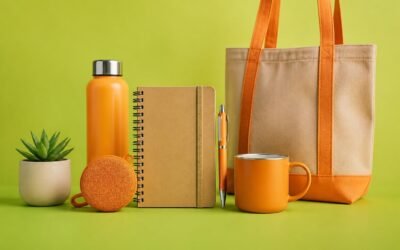
Standing out in today's crowded marketplace requires more than just slapping your logo on generic giveaways. Businesses across Canada are discovering that unique promotional merchandise creates lasting impressions, drives genuine engagement, and transforms recipients into brand advocates. The shift from throwaway trinkets to thoughtful, distinctive branded products represents a fundamental change in how smart companies approach promotional marketing. When you choose items that surprise, delight, and genuinely serve your audience, you're not just distributing products – you're creating experiences that reinforce your brand values and keep your company top-of-mind long after the initial interaction.
Why Unique Beats Generic Every Single Time
The promotional products landscape has evolved dramatically. Recipients now expect quality over quantity, and they can spot a cheap, forgettable item from across the room. According to Custom Ink’s 2026 corporate swag trends survey, businesses are prioritizing sustainable, high-quality items that recipients will actually use rather than disposable giveaways that end up in the bin.
Unique promotional merchandise works because it triggers emotional responses that generic items simply can't match.
- Memory formation: Distinctive products create stronger neural pathways, making your brand more memorable
- Conversation starters: Unusual or clever items naturally prompt discussions, extending your brand reach organically
- Perceived value: Recipients assign higher value to items they've never seen before, increasing goodwill toward your brand
- Social sharing: Unique products are more likely to be photographed and shared on social media platforms
The difference between memorable and forgettable often comes down to one simple question: would someone choose to keep this item even without your logo? If the answer is yes, you've found something worth investing in.
The Psychology Behind Product Selection
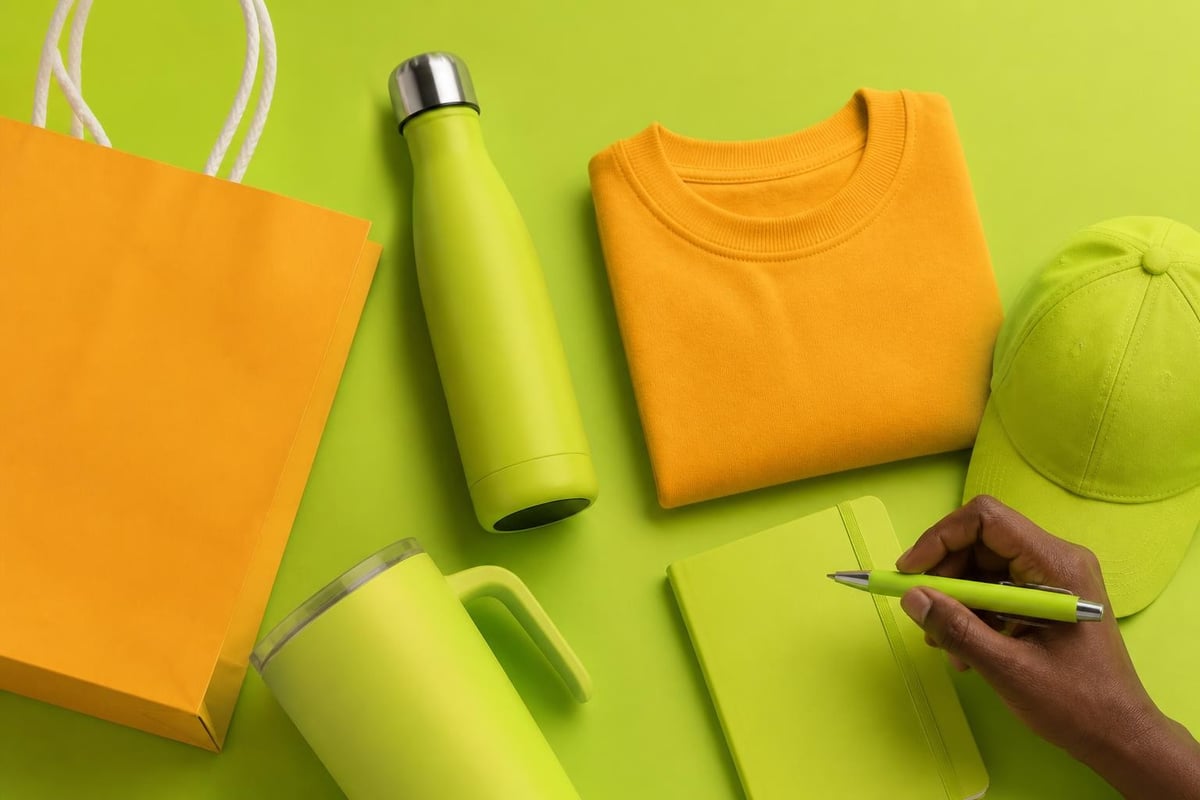
Understanding what makes promotional merchandise feel special rather than corporate requires thinking like your recipients. Research into promotional strategy effectiveness shows that contextual relevance significantly impacts how people perceive and use branded items. A product that aligns perfectly with someone's lifestyle or solves a genuine problem will always outperform something chosen purely for low unit cost.
Consider your target audience's daily routines, pain points, and aspirations. A tech company might find success with innovative gadgets or workspace accessories, whilst an outdoor adventure business could explore unique camping gear or travel essentials. The key lies in matching product category to audience identity rather than simply picking what's trending industry-wide.
Strategic Categories for Standout Merchandise
Breaking away from the usual suspects requires exploring product categories that many businesses overlook. Whilst everyone else distributes basic pens and stress balls, you can capture attention with items that genuinely enhance daily life.
Tech-Integrated Products
The intersection of technology and promotional merchandise continues to expand in 2026. Smart products that integrate with mobile devices or solve modern connectivity challenges resonate strongly with tech-savvy audiences.
| Product Category | Unique Factor | Best For |
|---|---|---|
| Wireless charging stations with custom designs | Functional art that sits on desks daily | Corporate clients, office workers |
| Bluetooth trackers with branded cases | Solves real problem of lost items | Travel industry, insurance companies |
| UV sanitizing cases for phones | Health-conscious utility | Healthcare, wellness brands |
| Portable power banks with solar panels | Sustainable tech convenience | Environmental organizations, outdoor brands |
These items succeed because they combine genuine utility with innovation. Recipients don't just appreciate them – they depend on them.
Wellness and Self-Care Items
The wellness movement has transformed promotional merchandise opportunities. Products that support mental health, physical fitness, or work-life balance align with values that matter deeply to modern consumers.
Meditation and mindfulness tools like branded breathing exercise guides, aromatherapy sets, or desktop zen gardens offer something most promotional products don't: permission to pause. These items signal that your brand cares about whole-person wellbeing, not just transactions.
Fitness accessories beyond basic water bottles include resistance bands with workout guides, yoga mat carriers with clever storage solutions, or ergonomic desk accessories that promote better posture. The uniqueness comes from thoughtful design details that show you've considered how people will actually use these products.
Experiential and Reusable Items
Creating experiences rather than just distributing objects represents the frontier of unique promotional merchandise. Think beyond physical products to items that enable activities or memories.
- Seed paper embedded with wildflower seeds that recipients can plant
- Branded recipe cards paired with specialty spice blends
- Adventure journals with prompts for documenting experiences
- Reusable produce bags with built-in tare weight tags
These products tell stories. They invite participation. They transform passive recipients into active brand participants who associate your company with positive experiences rather than just another logo.
Customization That Creates Connection
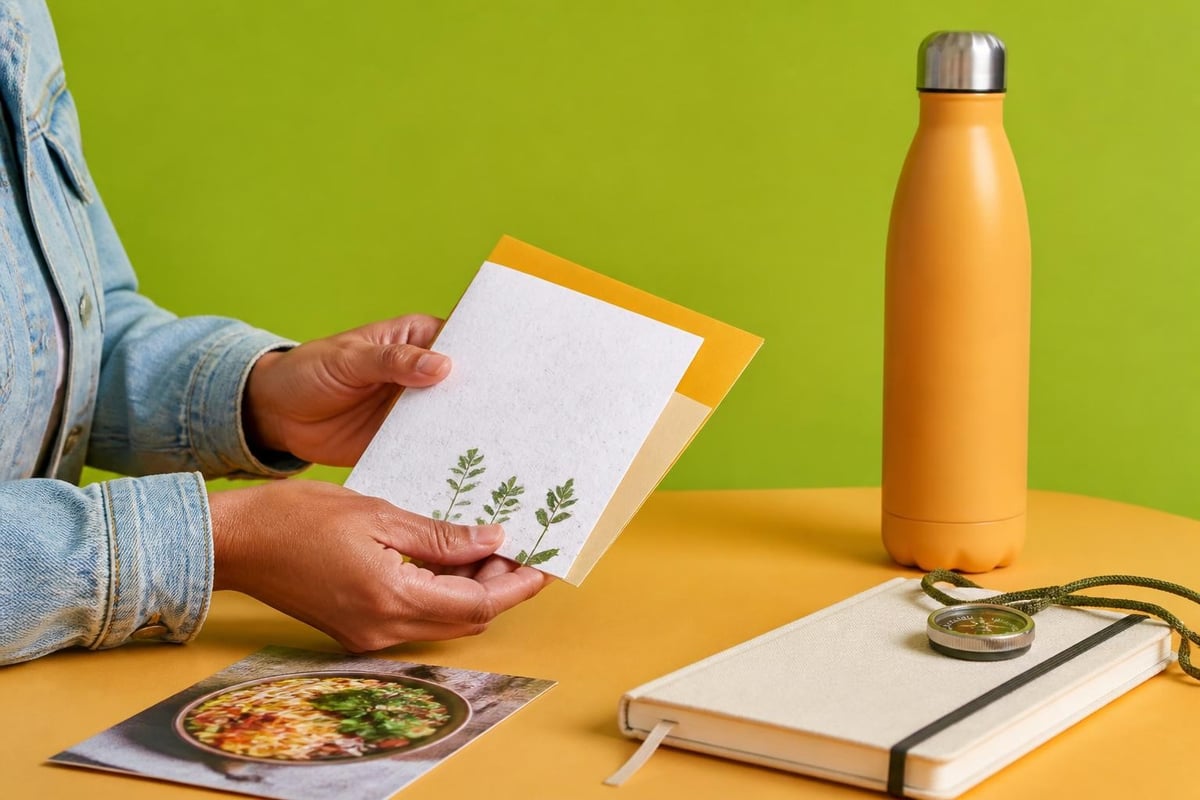
True uniqueness often emerges not from what you choose but how you customize it. The promotional merchandise trends for 2026 emphasize personalization that goes beyond basic logo placement. Advanced decoration techniques enable you to transform ordinary products into extraordinary brand statements.
Design Approaches That Differentiate
Full-coverage designs using sublimation printing or all-over patterns create visual impact that standard screen printing can't match. Instead of a small logo in one corner, consider how your brand elements could wrap entirely around a product, creating a cohesive aesthetic that feels intentional rather than promotional.
Unexpected placement breaks pattern-recognition and captures attention. Logos on the inside of a bag, messages revealed when a product is opened or used, or designs that only become visible under certain conditions (temperature-sensitive inks, UV-reactive elements) all create moments of discovery that recipients remember.
The Bowe Digital case study demonstrates how thoughtful customization transforms promotional products into coveted items that strengthen relationships rather than simply broadcasting brand names.
Material Choices That Matter
Sustainability isn't just a trend – it's a baseline expectation. Unique promotional merchandise in 2026 embraces materials that tell an environmental story whilst delivering exceptional quality.
- Ocean-bound plastic recycled into wearables and accessories
- Cork harvested sustainably for bags, journals, and tech cases
- Bamboo fiber blends creating soft, durable textiles
- Recycled glass formed into drinkware and desk accessories
- Wheat straw composite for biodegradable office supplies
These materials aren't just environmentally responsible – they're conversation starters. When someone asks about a product, and the recipient can share its sustainable origin story, your brand becomes associated with values rather than just visibility. For businesses exploring green marketing strategies, material selection represents a powerful alignment opportunity.
Matching Products to Marketing Objectives
Not all unique promotional merchandise serves the same strategic purpose. The most effective campaigns match product characteristics to specific marketing goals rather than choosing items randomly.
Brand Awareness vs. Lead Generation
Brand awareness campaigns benefit from products with high visibility and frequent use. Items that travel – bags, apparel, drinkware – turn recipients into walking billboards whilst still feeling valuable rather than exploitative. The uniqueness factor here comes from design excellence and quality that makes people proud to display your brand.
Consider how a superbly designed custom logo product functions differently than a generic alternative. The former becomes a fashion statement or status symbol; the latter gets hidden in a drawer.
Lead generation campaigns require products with built-in exclusivity or perceived scarcity. Limited edition items, premium products with higher unit costs, or merchandise only available through specific actions (trade show attendance, sales meetings, referral programs) create motivation to engage. The uniqueness stems from restricted availability rather than necessarily unusual product categories.
Employee Engagement vs. Customer Loyalty
Employee recognition programs demand products that feel personal and celebratory. Unique promotional merchandise for internal audiences should acknowledge individual contributions whilst reinforcing company culture.
Custom apparel collections that employees genuinely want to wear outside work – like quality hoodies with subtle, stylish branding – outperform corporate uniforms that scream "mandatory company gear." Desk accessories that upgrade workspaces or tech products that enhance productivity show employees you're investing in their daily experience, not just corporate visibility.
Customer loyalty initiatives reward ongoing relationships with products that feel like insider perks. Early access to new merchandise designs, exclusive colorways not available to the general public, or premium versions of popular items create tiers of engagement that motivate continued interaction.
| Campaign Type | Product Strategy | Uniqueness Factor |
|---|---|---|
| New client welcome | High-quality, immediately useful items | Exceptional first impression through premium selection |
| Anniversary milestone | Personalized products acknowledging relationship length | Individual customization showing you remember specific details |
| Referral rewards | Exclusive items not available through purchase | Scarcity and recognition of advocacy |
| Seasonal touchpoints | Timely products matching current needs | Thoughtful relevance to recipient's immediate context |
Budget-Conscious Uniqueness
The misconception that unique promotional merchandise requires massive budgets keeps many businesses stuck distributing forgettable basics. Innovation and memorability don't necessarily correlate with unit cost – they correlate with thoughtfulness and strategic alignment.
High-Impact, Modest-Investment Options
Packaging transformation can make ordinary products feel extraordinary. A standard notebook becomes special when wrapped in custom tissue paper, sealed with a branded sticker, and accompanied by a handwritten note. The product itself might be modest, but the presentation communicates care and attention that recipients notice.
Curated sets combine multiple inexpensive items into collections that feel more valuable than their components. A "work-from-home wellness kit" might include tea samples, a scented candle, a simple notebook, and a stress ball – individually unremarkable, but together they create a cohesive experience that shows you understand your recipient's life.
For instance, Post-it® Custom Printed Notepads become significantly more memorable when paired with quality pens and presented as a "creative ideation kit" rather than distributed as standalone office supplies.
Timing as Differentiation
When you distribute unique promotional merchandise matters as much as what you distribute. Products aligned with specific moments, seasons, or recipient milestones feel more thoughtful than random giveaways.
- Industry event tie-ins: Products that solve problems specific to conference attendance (phone charging cables, badge holders with extra pockets, travel-sized essentials)
- Seasonal relevance: Winter wellness kits in November, outdoor gear as summer approaches, back-to-office supplies in September
- Personal milestones: Birthday month surprises, work anniversary recognition, celebrating client company achievements
This strategic timing transforms standard products into unique experiences because they arrive exactly when recipients need them most. The promotional merchandise strategies outlined by industry experts emphasize this contextual relevance as increasingly important in crowded markets.
Testing and Measuring Merchandise Effectiveness
Choosing unique promotional merchandise shouldn't be guesswork. Smart businesses test product concepts, measure recipient responses, and refine their approaches based on data rather than assumptions.
Pre-Distribution Validation
Focus groups with target audience representatives reveal whether proposed products genuinely resonate or simply seem clever to your internal team. Small sample distributions to loyal customers or employees can generate feedback before committing to large production runs.
Social media polling engages your audience in the selection process whilst generating early buzz about upcoming merchandise. Presenting two or three options and asking followers to vote creates anticipation and ensures you're producing items people actually want.
Post-Distribution Metrics
Tracking merchandise effectiveness requires going beyond distribution numbers to measure actual impact on brand perception and business outcomes.
- Retention rates: How long do recipients keep and use the products?
- Social sharing: Are people photographing and posting about your merchandise?
- Direct attribution: Can you track leads or sales that originated from merchandise campaigns?
- Repeat requests: Are people asking for more of the same product or recommending it to colleagues?
- Brand recall improvements: Does merchandise distribution correlate with increased brand awareness in your target market?
These metrics transform promotional products from cost centers into measurable marketing investments with clear return-on-investment calculations.
Regional Considerations for Canadian Businesses
Businesses operating across Canada face unique opportunities and challenges when selecting promotional merchandise. Regional preferences, climate variations, and cultural considerations all influence what products will resonate most strongly.
Climate-Appropriate Selections
Winter-dominant regions like Edmonton respond exceptionally well to quality cold-weather gear – toques, gloves, insulated drinkware that keeps beverages hot during frigid commutes. The uniqueness comes from superior materials (merino wool blends, advanced insulation technology) and design details that show you understand the genuine challenges of Canadian winters.
Year-round practicality matters for products distributed nationally. Items that work equally well in Vancouver's mild climate and Winnipeg's temperature extremes require thoughtful material selection and versatile design.
Supporting Local Makers
Partnering with Canadian manufacturers and artisans adds unique value that imports can't match. Products made domestically often feature superior craftsmanship, support local economies, and reduce environmental impact through shortened supply chains.
This local focus aligns perfectly with businesses wanting their promotional merchandise to reflect Canadian values whilst still standing out in competitive markets. Exploring unique promo items sourced from Canadian creators adds authenticity that mass-produced alternatives lack.
Future-Proofing Your Merchandise Strategy
The landscape of unique promotional merchandise continues evolving rapidly. Staying ahead requires understanding emerging technologies, shifting consumer values, and new decoration capabilities that create previously impossible customization options.
Emerging Technologies
Augmented reality integration transforms physical products into gateways for digital experiences. QR codes or NFC chips embedded in merchandise can unlock exclusive content, special offers, or interactive brand stories that extend engagement beyond the physical item.
Smart textiles incorporating conductive thread enable apparel that interacts with mobile devices or monitors biometric data. Whilst still premium-priced, these technologies are becoming more accessible and offer genuine uniqueness that traditional promotional products can't match.
Evolving Consumer Expectations
The six interconnected promotional merchandise trends identified by Forbes emphasize that recipients increasingly expect promotional products to align with their values, solve real problems, and deliver exceptional quality. Businesses that view merchandise as strategic marketing tools rather than obligatory giveaways will continue differentiating themselves through thoughtful product selection.
Circular economy principles are moving from niche to mainstream. Products designed for repairability, recyclability, or take-back programs demonstrate forward-thinking values that resonate with environmentally conscious recipients.
Implementation Roadmap for Unique Merchandise Programs
Moving from standard promotional products to truly unique merchandise requires systematic planning rather than simply ordering different items.
Phase One: Audience Intelligence Gathering
Begin by deeply understanding who will receive your promotional merchandise and what matters to them. Customer surveys, sales team insights, and social media listening reveal the gaps between what you think your audience wants and what they'll genuinely value.
Document specific personas including:
- Daily routines and common pain points
- Values and causes they support
- Product categories they already purchase
- Brand aesthetics they respond to
- Price sensitivity and quality expectations
Phase Two: Product Research and Supplier Partnerships
Armed with audience insights, explore product categories that align with their preferences rather than limiting yourself to what you've always ordered. Working with experienced promotional merchandise partners who understand current trends and can source unusual items significantly expands your options beyond standard catalogues.
Request samples of potential products to evaluate quality firsthand. The difference between catalogue photography and actual product in hand often reveals why some items feel special whilst others disappoint.
Phase Three: Creative Customization Development
Design matters tremendously. Collaborate with graphic designers who understand how branding translates to physical products rather than simply adapting existing digital assets. Consider how recipients will actually use and display items, ensuring your branding enhances rather than detracts from the product's inherent appeal.
Test multiple decoration techniques – embroidery, screen printing, laser engraving, sublimation – to determine which method best serves each specific product. The right technique can elevate ordinary items into premium pieces that recipients treasure.
Phase Four: Pilot Programs and Refinement
Launch small-scale distributions before committing to large production runs. Gather detailed feedback from initial recipients and be prepared to adjust based on their responses. The most successful unique promotional merchandise programs evolve through iteration rather than achieving perfection immediately.
Track which products generate the most positive responses, social sharing, and business impact. Double down on winners whilst being willing to discontinue items that don't perform regardless of how clever they seemed initially.
Unique promotional merchandise transforms ordinary brand touchpoints into memorable experiences that build lasting connections with your audience. By focusing on quality over quantity, aligning products with recipient values, and choosing items that genuinely enhance daily life, you create promotional campaigns that people appreciate rather than tolerate. Whether you're based in Edmonton or serving customers across Canada, The Promo Hut helps businesses discover promotional merchandise that stands out, gets used, and keeps your brand top-of-mind through thoughtful product selection and expert customization guidance.