
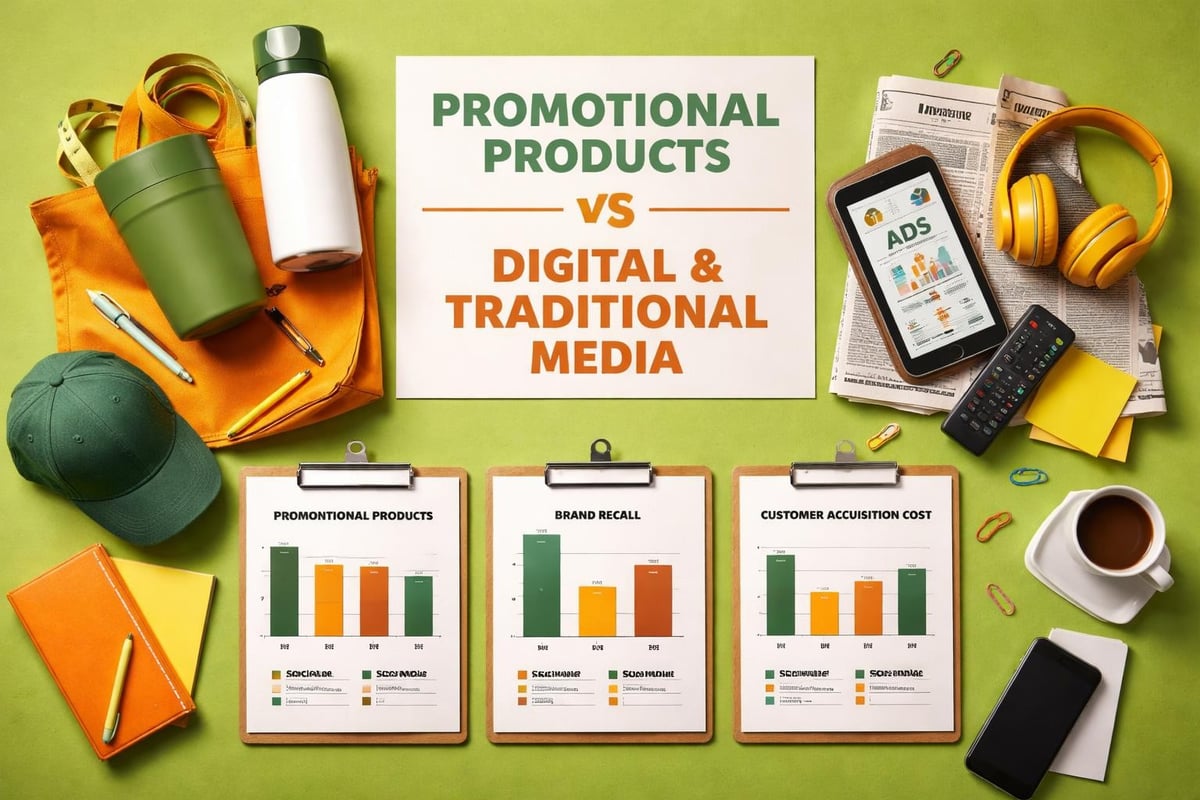
Business promotional products remain one of the most effective marketing tools available to companies of all sizes. From startups building brand recognition to established corporations reinforcing customer relationships, branded merchandise delivers tangible results that digital campaigns alone cannot achieve. These physical touchpoints create lasting impressions, generate brand recall, and offer exceptional value compared to traditional advertising channels.
Understanding the Impact of Business Promotional Products
The promotional products industry continues to demonstrate remarkable resilience and growth. According to recent industry forecasts, corporate profit increases and rising advertising expenditure are driving substantial demand for promotional merchandise.
What makes business promotional products particularly valuable is their ability to generate impressions long after the initial distribution. Unlike a digital advertisement that disappears after seconds, a quality branded item remains in use for months or even years.
Key performance indicators for promotional products include:
- Cost per impression: Often measured in fractions of a penny
- Brand recall rates: Studies show significantly higher retention than digital ads
- Customer acquisition cost: Lower compared to many traditional channels
- Retention and loyalty metrics: Tangible items strengthen emotional connections
The return on investment becomes even more compelling when you consider secondary impressions. Every time someone uses a branded mug, wears a logo cap, or writes with a company pen, additional people see your brand message without any additional cost.
Building Brand Awareness Through Strategic Product Selection
Choosing the right business promotional products requires understanding your audience, campaign objectives, and brand positioning. The American Marketing Association emphasizes the importance of selecting items that accurately represent your company's strategy and mission.
Different product categories serve distinct marketing purposes:
| Product Category | Best Use Case | Typical Lifespan | Impression Potential |
|---|---|---|---|
| Apparel | Employee uniforms, events, brand ambassadors | 1-3 years | High (daily wear) |
| Drinkware | Client gifts, trade shows, office use | 2-5 years | Very high (multiple daily uses) |
| Writing Instruments | Mass distribution, budget campaigns | 6-12 months | Medium (frequent use) |
| Tech Accessories | Premium clients, corporate gifts | 2-4 years | High (daily interaction) |
| Bags & Totes | Eco-conscious campaigns, events | 1-2 years | Very high (public visibility) |
Your product selection should align with your brand values and resonate with your target demographic. A technology company might invest in premium wireless chargers or USB drives, whilst an environmental consultancy could opt for sustainable bamboo products or recycled materials.
Implementing Promotional Products in Your Marketing Strategy
Successful promotional product campaigns require strategic planning and clear objectives. Rather than treating branded merchandise as an afterthought, leading organizations integrate these items into comprehensive marketing plans.
Campaign Types and Strategic Applications
Trade show and event marketing represents one of the most common applications for business promotional products. Attendees collect numerous items at exhibitions, making quality and uniqueness critical differentiators. Products that offer genuine utility stand out from generic freebies.
Customer appreciation programs leverage promotional items to strengthen existing relationships. These campaigns typically feature higher-quality products reflecting the value you place on customer loyalty.
Employee onboarding and retention initiatives use branded merchandise to build team culture and pride. New hire kits might include apparel, drinkware, and office accessories that make employees feel welcomed and valued.
Sales and lead generation campaigns distribute promotional products as incentives for demos, consultations, or purchases. The tangible reward creates a psychological commitment that increases conversion rates.
Timing Your Distribution for Maximum Impact
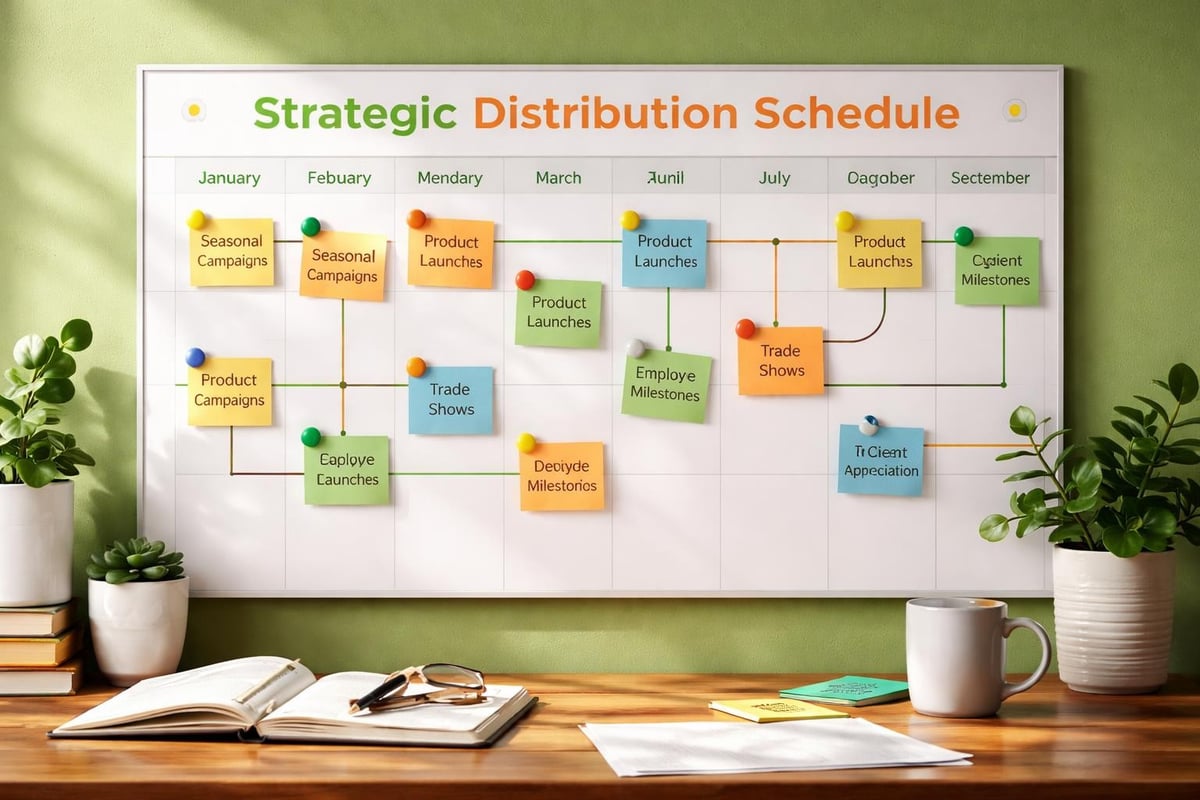
Strategic timing amplifies the effectiveness of business promotional products:
- Seasonal campaigns align products with relevant times of year (water bottles in summer, blankets in winter)
- Product launches use promotional items to generate buzz and provide memorable takeaways
- Milestone celebrations mark company anniversaries or achievements with commemorative products
- Holiday gifting shows appreciation to clients and partners during peak business periods
- Conference seasons ensure brand visibility when decision-makers gather
The emerging trends for 2026 suggest increased demand for sustainable products, hybrid event solutions, and items that support remote work environments.
Quality Considerations and Supplier Selection
The quality of your business promotional products directly reflects on your brand reputation. Cheap, poorly made items can damage perception more than enhance it. Investing in durable, well-designed products demonstrates that your company values excellence.
Evaluating Product Quality Standards
When sourcing promotional merchandise, examine multiple quality indicators beyond price. Material composition, construction methods, print quality, and finishing details all contribute to the final impression.
Material quality checklist:
- Fabric weight and composition for apparel
- Food-safe certifications for drinkware
- Ink quality and adhesion for printed items
- Durability testing results for tech products
- Environmental certifications for sustainable options
Working with experienced suppliers who understand your industry and brand standards ensures consistent quality. Companies serving clients across Canada need partners who can deliver reliable products regardless of order size or customization complexity.
Customization Options That Enhance Brand Recognition
Effective branding goes beyond simply adding your logo. Consider these customization approaches:
- Full-colour printing for complex logos and photographic imagery
- Embroidery for premium apparel and soft goods
- Laser engraving for metal and wood products requiring permanence
- Debossing and embossing for sophisticated, subtle branding
- Custom colour matching to ensure perfect brand alignment
The customization method should match both the product material and your brand positioning. A law firm might prefer understated embossing on leather goods, whilst a creative agency could embrace vibrant full-colour designs.
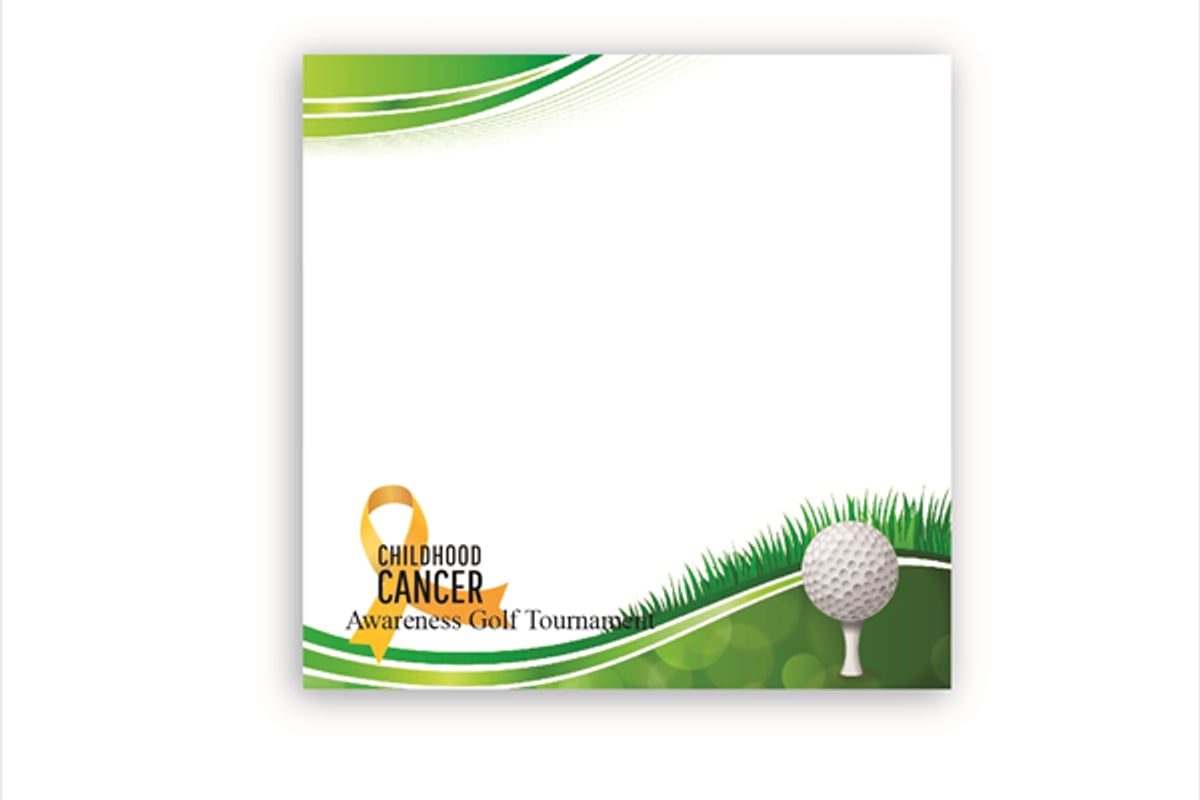
For instance, the Post-it® Custom Printed Notepad uses premium full-colour printing to bring brands to life on high-quality adhesive paper, perfect for ensuring your message stays visible on desks and walls long after distribution.
Measuring Success and Optimizing Future Campaigns
Treating business promotional products as measurable marketing investments rather than expenses transforms how you approach these campaigns. Establishing clear metrics before distribution enables you to evaluate performance and refine future strategies.
Key Performance Metrics to Track
Modern promotional product campaigns benefit from the same analytical rigour applied to digital marketing:
| Metric | Measurement Method | Target Benchmark |
|---|---|---|
| Distribution Efficiency | Items distributed per event/campaign | Varies by campaign type |
| Lead Generation | New contacts acquired via promotional items | 15-25% conversion to leads |
| Brand Recall | Survey recipients on brand recognition | 70%+ recall after 3 months |
| Social Media Engagement | Hashtag usage, photo shares | 5-10% of recipients |
| Cost Per Acquisition | Total campaign cost / new customers | Compare to other channels |
Technology enables increasingly sophisticated tracking. QR codes on promotional products can direct recipients to landing pages, enabling you to monitor engagement rates. Unique discount codes distributed with physical items help attribute sales to specific campaigns.
Learning from Campaign Performance
Best practices for promotional campaigns emphasize the importance of testing different approaches and learning from results. Small pilot programs allow you to gauge audience response before committing to larger orders.
Consider these optimization strategies:
- A/B test different product types with similar audience segments
- Survey recipients about product utility and brand perception
- Monitor product lifespan through follow-up communications
- Track secondary distribution when recipients share items with others
- Calculate lifetime value of customers acquired through promotional campaigns
Documenting these insights builds institutional knowledge that improves future campaign performance. Many successful marketing teams maintain a promotional product playbook detailing what works for different objectives and audiences.
Product Categories Driving Results in 2026
The promotional products landscape constantly evolves as consumer preferences and business needs shift. Understanding which categories currently deliver the strongest performance helps allocate budget effectively.
Sustainable and Eco-Friendly Options
Environmental consciousness continues influencing purchasing decisions across demographics. Business promotional products made from recycled materials, renewable resources, or designed for longevity resonate particularly well with younger audiences.
Popular sustainable options include:
- Reusable shopping bags made from recycled plastic bottles
- Bamboo writing instruments and office accessories
- Organic cotton apparel with water-based inks
- Stainless steel drinkware replacing disposable containers
- Seed paper products that grow when planted
Companies demonstrating genuine commitment to sustainability through their promotional products strengthen brand perception whilst contributing to environmental goals.
Technology and Remote Work Solutions
The evolution of workplace dynamics drives demand for promotional products supporting hybrid and remote work arrangements. Items that enhance home office setups or facilitate virtual collaboration show recipients you understand their current needs.
Trending tech promotional products:
- Wireless charging pads and power banks
- Blue light blocking glasses
- Webcam covers for privacy
- Cable organizers and tech accessories
- Bluetooth speakers for video calls
These products serve dual purposes: providing genuine utility whilst keeping your brand visible during daily work activities.
Wellness and Self-Care Items
Corporate wellness initiatives increasingly incorporate promotional products that support physical and mental health. These items demonstrate that your organization values employee and client wellbeing beyond transactional relationships.
Wellness-focused promotional products include stress balls, fitness bands, aromatherapy items, insulated water bottles encouraging hydration, and ergonomic desk accessories. The emotional connection created by thoughtful wellness products often generates stronger brand loyalty than traditional promotional items.
Avoiding Common Promotional Product Mistakes
Even experienced marketers sometimes fall into predictable traps when planning promotional campaigns. Understanding these common pitfalls helps you avoid costly mistakes.
Budget Allocation Errors
Spreading budget too thin across numerous low-quality items rarely delivers better results than investing in fewer premium products. Recipients value quality over quantity, and a single exceptional item creates stronger brand associations than a handful of forgettable trinkets.
Budget optimization approaches:
- Segment your audience and vary product investment by value
- Allocate larger budgets to high-impact opportunities (key clients, major events)
- Reserve premium products for relationship-building initiatives
- Use cost-effective items for broad awareness campaigns
- Calculate total cost including customization, shipping, and storage
Another common error involves underestimating lead times. Quality business promotional products require adequate production schedules, particularly for custom items or large quantities. Rushing orders often results in higher costs and potential quality compromises.
Misalignment with Brand Identity
Promotional products that contradict your brand values confuse recipients and dilute your message. A company promoting digital transformation shouldn't distribute outdated technology, just as an environmental organization must avoid products with excessive packaging.
Ensure every promotional item reinforces your core brand attributes. Review each product selection against your brand guidelines, considering materials, design aesthetics, functionality, and messaging alignment.
Budget Planning for Promotional Product Campaigns
Effective budget allocation for business promotional products requires balancing cost efficiency with quality standards. Industry research provides valuable benchmarks for typical spending across various campaign types and business sectors.
Cost Breakdown Components
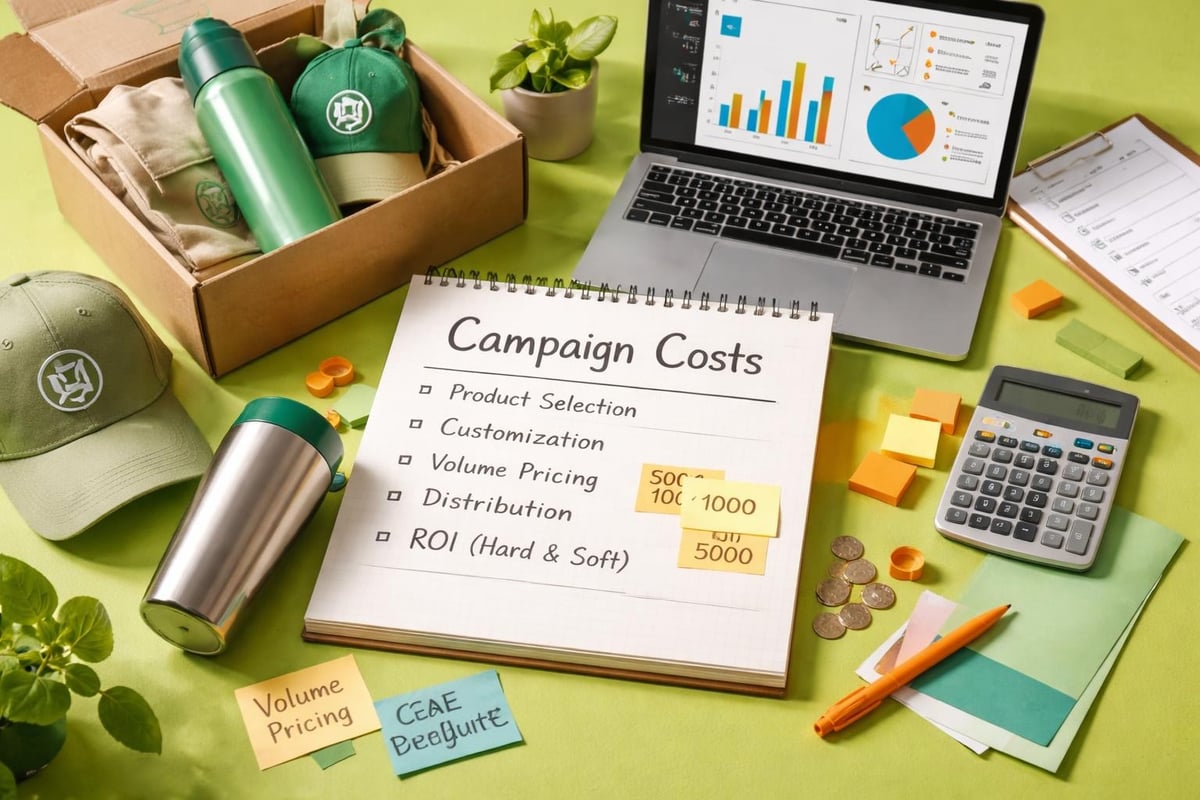
Understanding the full cost structure helps prevent budget surprises:
- Unit cost: Base price per item before customization
- Setup fees: One-time charges for artwork, screens, or dies
- Customization costs: Printing, embroidering, or engraving charges
- Shipping: Freight to your location or multiple distribution points
- Storage: Warehousing costs if ordering in bulk for future use
- Distribution: Internal labour or service costs for getting items to recipients
Volume typically drives unit cost reductions, but ordering excessive quantities that sit unused wastes budget. Calculate realistic distribution numbers based on confirmed events, employee counts, or customer lists rather than optimistic projections.
ROI Calculation Framework
Determining whether promotional products deliver acceptable returns requires comparing costs to results. A simple framework:
Total Campaign Investment = Product costs + Customization + Distribution + Labour
Measurable Returns = New leads × Conversion rate × Average customer value
Soft Returns = Brand impressions + Social shares + Relationship strengthening
Whilst soft returns prove harder to quantify, they contribute genuine business value. The relevance of promotional products in modern marketing stems partly from these intangible but significant benefits that complement digital strategies.
Industry-Specific Promotional Product Strategies
Different industries achieve optimal results with tailored approaches to business promotional products. Understanding sector-specific dynamics helps refine your strategy.
Professional Services and B2B
Law firms, consultancies, and financial services typically favour sophisticated, understated promotional products reflecting their professional positioning. Premium writing instruments, leather goods, and executive desk accessories align with these brand identities.
Distribution often targets existing clients and referral sources rather than mass audiences. Quality trumps quantity, with budgets allocated toward items recipients genuinely appreciate and use regularly.
Retail and Consumer Brands
Retail businesses frequently use promotional products to drive immediate sales through purchase incentives or loyalty programs. Items complement product lines and reinforce brand personality, from trendy apparel for fashion retailers to cooking tools for gourmet food brands.
These campaigns often feature broader distribution across diverse customer segments, requiring scalable products at various price points. Seasonal alignment proves particularly important for retail promotional strategies.
Healthcare and Wellness
Medical practices, fitness centres, and wellness brands leverage promotional products supporting healthy lifestyles. Reusable water bottles, fitness accessories, and personal care items align naturally with these organizations' missions.
Compliance considerations may limit certain product types or customization approaches, particularly for regulated healthcare providers. Items must meet safety standards and avoid making unsubstantiated health claims.
Technology and Innovation
Tech companies embrace cutting-edge promotional products showcasing innovation whilst providing genuine utility. Smart devices, premium tech accessories, and forward-thinking sustainable products reinforce positioning as industry leaders.
These organizations often distribute promotional items at conferences, hackathons, and industry events where attendees appreciate functional, high-quality tech gear. Products frequently incorporate elements like NFC tags or QR codes linking to digital experiences.
Distribution Channels and Logistics
Getting business promotional products to recipients efficiently requires thoughtful logistics planning. Distribution strategies vary considerably based on campaign objectives and audience characteristics.
Event-Based Distribution
Trade shows, conferences, and corporate events offer concentrated opportunities to distribute promotional products to qualified audiences. Successful event distribution requires careful planning around booth design, staff training, and inventory management.
Event distribution best practices:
- Train staff on when and how to offer promotional items
- Create tiered distribution (premium items for qualified leads, general items for booth visitors)
- Design products portable enough for attendees to carry throughout events
- Include clear branding and contact information on all items
- Collect recipient information to enable follow-up communications
Transportation logistics for event distribution demand attention to shipping timelines, backup inventory strategies, and efficient setup/teardown procedures.
Direct Mail Campaigns
Sending promotional products through postal services expands reach beyond face-to-face interactions. This approach works particularly well for client appreciation, new customer welcome kits, and targeted prospect outreach.
Consider packaging, shipping costs, and size/weight restrictions when selecting products for mail distribution. Items must arrive in perfect condition despite handling, making durable products and protective packaging essential. Explore various strategies and product types that companies leverage effectively in direct mail campaigns.
Internal Distribution to Employees
Employee-focused promotional products often utilize different distribution channels than customer-facing items. New hire kits might be included in onboarding packages, whilst company anniversary gifts could be distributed at all-hands meetings or shipped directly to remote workers.
Many organizations maintain inventory of core branded items (apparel, drinkware, office supplies) allowing employees to request items as needed. This approach requires storage solutions and inventory management systems to prevent stockouts of popular items.
Building Long-Term Promotional Product Strategies
Rather than treating business promotional products as tactical one-off purchases, forward-thinking organizations develop comprehensive multi-year strategies. This approach ensures consistency, optimizes costs, and strengthens overall brand recognition.
Strategic planning begins with auditing current promotional product usage, evaluating what works, identifying gaps, and establishing clear objectives for the programme. Document your findings and create a roadmap aligning promotional products with broader marketing and business goals.
Consider establishing relationships with preferred suppliers who understand your brand standards and can deliver consistent quality across multiple orders. These partnerships often unlock volume discounts, priority production scheduling, and access to new product innovations.
Building a core collection of branded items that remain available year-round provides consistency for employee uniforms, client gifts, and ongoing distribution needs. Complement this evergreen collection with campaign-specific products tied to particular initiatives or seasons.
Quality control processes ensure every promotional product meets your standards before distribution. Request samples of new items before committing to large orders, inspect incoming shipments, and maintain feedback loops with recipients to identify any quality issues.
Business promotional products deliver measurable marketing results when approached strategically, combining quality products with thoughtful distribution and clear objectives. The right branded merchandise strengthens relationships, generates lasting impressions, and provides exceptional value compared to many traditional advertising channels. Whether you're planning your first promotional campaign or refining an established programme, The Promo Hut offers the expertise, product selection, and personalized service to help Canadian businesses maximize their promotional product investments and achieve their marketing goals.