
Corporate promotional merchandise has evolved far beyond cheap giveaways and forgettable trinkets. In 2026, businesses across Canada recognise these branded products as strategic marketing tools that build lasting relationships, enhance brand recall, and deliver measurable ROI. From tech companies in Toronto to energy firms in Calgary, organisations are investing in thoughtful promotional strategies that reflect their values whilst creating genuine value for recipients. The challenge lies not in whether to use promotional merchandise, but in selecting the right products, timing, and distribution methods to maximise impact.
The Business Case for Corporate Promotional Merchandise
When marketing budgets face scrutiny, corporate promotional merchandise consistently proves its worth through tangible results. Research shows that 82% of recipients remember the brand that gave them a promotional product, a recall rate that dwarfs most digital advertising campaigns.
The financial argument is equally compelling:
- Lower cost per impression than traditional advertising
- Extended brand exposure through daily product use
- Measurable impact on customer acquisition costs
- Enhanced employee engagement and retention
The North American promotional products industry reached record sales of $27.7 billion in 2025, outperforming broader economic growth indicators. This expansion reflects businesses' recognition that physical branded items create emotional connections that purely digital marketing cannot replicate.
Corporate promotional merchandise also serves multiple functions simultaneously. A quality branded notebook distributed at a conference generates impressions every time the recipient uses it, whilst also positioning your brand as professional and thoughtful. This multi-layered value proposition makes promotional products particularly efficient for businesses seeking maximum return from every marketing pound spent.
Selecting Products That Reflect Brand Values
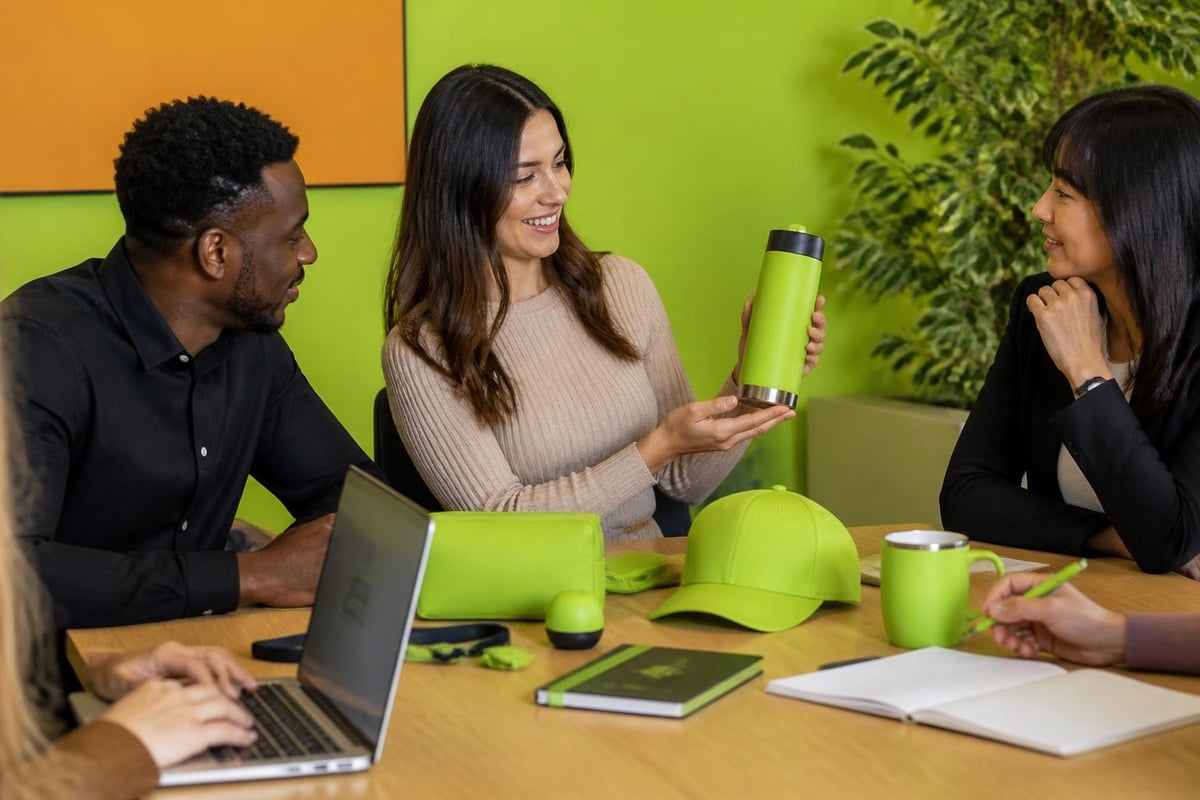
Not all corporate promotional merchandise delivers equal value. The most effective programmes align product selection with brand identity, audience preferences, and practical utility. A financial services firm might choose premium leather portfolios, whilst a tech startup could opt for wireless charging pads or Bluetooth speakers.
Understanding Your Audience Demographics
Product selection begins with knowing who will receive your merchandise. Age, profession, lifestyle, and values all influence which items will resonate most strongly.
| Audience Segment | Effective Product Categories | Why They Work |
|---|---|---|
| Corporate Executives | Premium drinkware, leather goods, tech accessories | Projects sophistication and quality |
| Trade Show Attendees | Bags, USB drives, power banks | Practical items used during and after events |
| Remote Workers | Desk organisers, webcam covers, ergonomic accessories | Addresses specific work-from-home needs |
| Environmentally Conscious | Recycled materials, reusable products, sustainable apparel | Aligns with personal values |
The key is matching product choice to recipient lifestyle. A beautifully branded gym bottle means little to someone who never exercises, but becomes a daily companion for fitness enthusiasts. This targeted approach ensures your corporate promotional merchandise actually gets used rather than relegated to a drawer.
Quality Versus Quantity Decisions
The tension between budget constraints and quality standards shapes every promotional merchandise programme. Whilst ordering thousands of inexpensive items might seem cost-effective, a smaller quantity of premium products often delivers superior results.
Consider these quality indicators:
- Durability – Products that last years generate more impressions than items that break within weeks
- Materials – Premium fabrics, metals, and plastics communicate brand standards
- Functionality – Well-designed items get used regularly rather than discarded
- Aesthetic appeal – Attractive products recipients want to display or wear
Promotional merchandise trends for 2026 emphasise practicality and longevity over disposable items. Recipients increasingly expect promotional products to match retail quality standards, making the "cheap pen" strategy increasingly ineffective.
Strategic Distribution Channels and Timing
Even the perfect corporate promotional merchandise falls flat without thoughtful distribution strategies. When, where, and how you deliver branded items significantly impacts their perceived value and effectiveness.
Event-Based Distribution
Trade shows, conferences, and corporate events remain prime opportunities for promotional merchandise distribution. However, success requires moving beyond generic handouts to create memorable experiences.
Effective event strategies include:
- Pre-event mailings to VIP attendees building anticipation
- Tiered giveaways rewarding specific actions (booth visits, demo attendance)
- Interactive elements where attendees customise or personalise items onsite
- Post-event follow-up packages reinforcing connections made
The most sophisticated programmes integrate physical merchandise with digital engagement. QR codes on promotional items can link to exclusive content, special offers, or interactive brand experiences that extend the initial interaction.
Employee Onboarding and Recognition
Internal distribution represents one of the most overlooked applications of corporate promotional merchandise. Welcome packages for new hires create immediate belonging, whilst recognition programmes using branded merchandise reinforce company culture.
New employee kits might include:
- Branded apparel for casual Fridays
- Quality drinkware for office use
- Tech accessories (mouse pads, laptop sleeves)
- Welcome notes explaining company values
This approach transforms promotional merchandise from external marketing tools into culture-building assets that enhance employee engagement and retention.

Sustainability and Ethical Considerations
Corporate promotional merchandise in 2026 cannot ignore environmental impact. Recipients increasingly judge brands by their sustainability commitments, making eco-friendly promotional products essential rather than optional.
The shift towards sustainable merchandise reflects broader consumer values. Products made from recycled materials, organic fabrics, or biodegradable components demonstrate corporate responsibility whilst meeting marketing objectives.
Sustainable Material Options
Modern sustainable corporate promotional merchandise encompasses far more than recycled tote bags. Innovations in materials science have created attractive, durable, and genuinely sustainable options across product categories.
- Recycled plastics transformed into drinkware, tech accessories, and office supplies
- Organic cotton for apparel and bags with minimal environmental impact
- Bamboo products offering renewable, biodegradable alternatives to traditional materials
- Ocean-bound plastics reclaimed and repurposed into functional merchandise
These materials no longer compromise on quality or aesthetics. Premium sustainable products often exceed conventional alternatives in both durability and visual appeal, making the business case for sustainable corporate promotional merchandise increasingly compelling.
Long-Term Value Calculations
Sustainability extends beyond materials to product longevity. Items designed for extended use deliver environmental benefits through reduced waste whilst maximising marketing impressions per unit.
A quality branded jacket worn for five years generates thousands more impressions than a disposable item discarded after months. This longevity principle aligns environmental responsibility with marketing effectiveness, creating win-win scenarios for brands and recipients alike.
Customisation and Brand Consistency
Effective corporate promotional merchandise maintains brand consistency across all touchpoints. Colour accuracy, logo placement, and design coherence ensure promotional products reinforce rather than dilute brand identity.
Design Specifications and Quality Control
Professional merchandise programmes establish clear design standards before production begins. This includes precise colour matching (Pantone specifications), logo sizing guidelines, and approved placement locations for different product types.
Quality control checkpoints should include:
- Digital proof approval before production
- Physical sample review for colours and print quality
- Pre-shipment inspection of full production runs
- Packaging verification ensuring proper presentation
These steps prevent costly mistakes and ensure every item represents your brand professionally. When recipients encounter consistent, high-quality branding across all promotional merchandise, it reinforces perceptions of organisational competence and attention to detail.
Multi-Product Programme Coordination
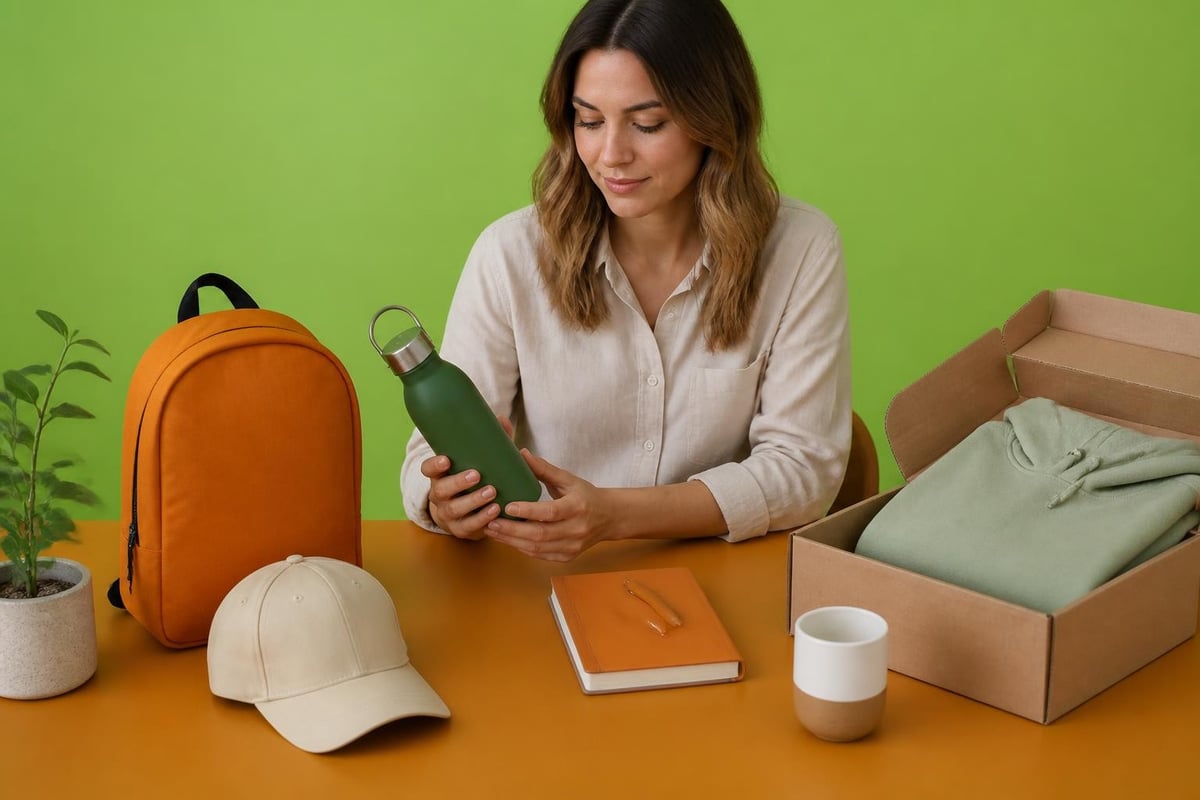
Comprehensive promotional merchandise strategies often involve multiple product types distributed across various campaigns and timeframes. Coordination ensures these diverse items present a cohesive brand story.
For example, a technology company might distribute branded USB drives at trade shows, premium jackets to key clients, and desk accessories to employees. Despite different products and audiences, consistent colour schemes, logo treatments, and quality standards create unified brand recognition.
Small details like using consistent hang tags, packaging materials, or presentation methods further enhance this coordination. When every touchpoint reflects thoughtful planning, corporate promotional merchandise becomes part of a sophisticated, integrated marketing ecosystem.
Budget Optimisation Strategies
Corporate promotional merchandise programmes must deliver results within financial constraints. Strategic budget allocation ensures maximum impact from available resources whilst avoiding common overspending traps.
Cost-Per-Impression Analysis
Rather than focusing solely on unit costs, sophisticated buyers calculate cost-per-impression to evaluate true value. A £5 item used daily for two years delivers far better value than a 50p item immediately discarded.
| Product Type | Unit Cost | Estimated Impressions | Cost Per Impression |
|---|---|---|---|
| Premium Water Bottle | £15 | 730 (2 years daily use) | £0.021 |
| Budget Pen | £0.50 | 20 (occasional use) | £0.025 |
| Quality Backpack | £40 | 1,095 (3 years daily use) | £0.037 |
| Cheap Notepad | £2 | 30 (one-time use) | £0.067 |
This analysis reveals that apparently expensive items often deliver lower cost-per-impression than budget alternatives, fundamentally reshaping procurement decisions.
Volume Discounting and Programme Planning
Strategic buyers plan promotional merchandise needs across annual or multi-year timeframes, leveraging volume discounts whilst maintaining flexibility for emerging opportunities.
Annual planning enables:
- Consolidated orders reducing per-unit costs
- Warehouse inventory for quick deployment
- Seasonal campaign coordination
- Budget predictability and financial planning
However, this approach requires balancing economies of scale against the risk of surplus inventory if strategies shift or products become outdated.
Measuring Impact and ROI
Corporate promotional merchandise delivers measurable business results when programmes include proper tracking and analysis mechanisms. Moving beyond anecdotal feedback to quantitative metrics enables continuous improvement and budget justification.
Attribution Methods
Connecting promotional merchandise distribution to business outcomes requires thoughtful attribution strategies. While not every impression directly converts to revenue, several methods quantify impact:
- Unique promotional codes on merchandise linking to specific purchases
- Landing page URLs exclusive to promotional campaigns
- Survey questions asking how recipients learned about your brand
- Trade show booth traffic correlated with merchandise distribution
The effectiveness of promotional items can be tracked through both direct response metrics and broader brand awareness studies. Combining multiple measurement approaches provides comprehensive understanding of programme performance.
Feedback Loops and Continuous Improvement
The most successful corporate promotional merchandise programmes incorporate recipient feedback into future planning. Post-campaign surveys, focus groups, and usage observations reveal which products resonate and which miss the mark.
Key questions to explore:
- Which promotional items do recipients actually use?
- What prompted them to keep or discard specific products?
- How did the merchandise influence brand perception?
- Would they recommend your organisation based on the gift received?
This intelligence informs product selection, customisation approaches, and distribution timing for subsequent campaigns. Over time, programmes become increasingly refined and effective as learnings accumulate.
Integration with Broader Marketing Strategies
Corporate promotional merchandise achieves maximum impact when integrated with other marketing channels rather than operating as an isolated tactic. Strategic coordination amplifies messaging across touchpoints whilst reinforcing key brand narratives.
Campaign Cohesion
Successful integration means promotional merchandise reflects and reinforces themes from advertising, content marketing, and digital campaigns. When a company launches a sustainability initiative, for instance, distributing eco-friendly promotional products demonstrates commitment beyond words.
This coordination extends to visual elements, messaging, and timing. A product launch campaign might include:
- Teaser emails building anticipation
- Social media content revealing features
- Event demonstrations with hands-on experience
- Promotional merchandise reinforcing key messages
Each element supports others, creating a comprehensive brand experience that drives deeper engagement than any single channel could achieve alone.
For organisations seeking guidance on choosing promotional products that align with broader strategies, expert consultation ensures every element works towards unified objectives.
Digital-Physical Bridges
Modern corporate promotional merchandise increasingly incorporates digital connectivity, creating hybrid experiences that combine physical products with online engagement. Smart merchandise leveraging QR codes, NFC chips, or augmented reality transforms static items into interactive brand portals.
A branded notebook might include QR codes linking to exclusive content, training resources, or community forums. Water bottles could feature NFC chips enabling recipients to track environmental impact or unlock rewards programmes. These innovations extend promotional merchandise value whilst gathering valuable engagement data.
Emerging Trends Shaping the Industry
The corporate promotional merchandise landscape continues evolving as technologies advance and buyer preferences shift. Promotional merchandise trends for 2026 reveal several transformative movements reshaping how organisations approach branded products.
On-Demand and Zero-Inventory Models
Traditional promotional merchandise required bulk ordering and warehouse storage, creating inventory risks and limiting flexibility. Emerging on-demand fulfilment models enable businesses to order products as needed, reducing waste whilst maintaining quick deployment capabilities.
These programmes offer:
- Reduced financial risk through elimination of surplus inventory
- Greater flexibility to adjust product selection based on feedback
- Fresher designs aligned with current campaigns rather than outdated stock
- Sustainability benefits from producing only what's actually needed
The shift towards zero-inventory approaches represents fundamental change in how corporate promotional merchandise programmes operate, particularly benefiting organisations with fluctuating needs or limited storage capacity.
Personalisation at Scale
Advances in printing technology and data management enable unprecedented personalisation levels in corporate promotional merchandise. Beyond simply adding names, modern programmes can customise products based on recipient preferences, behaviours, or demographics.
A financial services firm might distribute branded portfolios with different interior configurations based on each recipient's role (sales professionals receive business card holders, whilst analysts get calculator pockets). This individualisation demonstrates attention to detail whilst increasing perceived value and practical utility.
Office environments particularly benefit from thoughtful promotional merchandise that supports daily work. Items like the Post-it® Custom Printed Notepad combine practical functionality with consistent brand visibility, appearing prominently on desks where they generate impressions throughout the workday whilst serving genuine utility.

Technology-Enhanced Products
Corporate promotional merchandise increasingly incorporates technology, transforming traditional items into connected devices. Wireless charging pads, Bluetooth speakers, and smart water bottles represent the intersection of utility and innovation.
These tech-forward products appeal to younger demographics whilst positioning brands as forward-thinking and relevant. However, they require careful consideration of:
- Battery life and charging requirements affecting long-term usability
- Compatibility across devices ensuring broad recipient utility
- Technology obsolescence potentially limiting product lifespan
- Price points balancing innovation against budget constraints
Strategic buyers evaluate whether technology genuinely enhances functionality or simply adds complexity that reduces adoption rates.
Industry-Specific Applications
Different sectors leverage corporate promotional merchandise in distinctive ways reflecting their unique audiences, objectives, and operational contexts. Understanding these variations enables more targeted and effective programmes.
Professional Services and Financial Institutions
Law firms, accounting practices, and financial services organisations typically favour sophisticated, premium merchandise reflecting their professional positioning. Quality leather goods, high-end writing instruments, and tasteful desk accessories communicate competence and attention to detail.
These sectors often distribute merchandise through relationship-building rather than mass campaigns, making personalisation and quality paramount. A wealth management firm might send premium branded portfolios to high-net-worth clients, whilst an accounting practice could distribute quality desk calendars to business clients each December.
Technology and Startup Ecosystems
Tech companies embrace innovative, contemporary promotional merchandise that reflects their industry positioning. Wireless accessories, modern apparel styles, and sustainable products resonate with audiences valuing innovation and environmental responsibility.
Startup culture particularly favours casual, practical items employees actually want rather than formal corporate gifts. Comfortable hoodies, quality backpacks, and premium water bottles serve dual purposes as employee benefits and brand ambassadors when worn publicly.
Manufacturing and Industrial Sectors
Resource extraction, manufacturing, and industrial organisations require durable merchandise suitable for demanding environments. Workwear, safety accessories, and rugged drinkware withstand challenging conditions whilst promoting brand visibility.
These sectors also value merchandise that enhances safety or comfort, creating genuine appreciation beyond marketing objectives. Quality work gloves, high-visibility apparel, or insulated travel mugs demonstrate care for employee wellbeing whilst maintaining brand presence.
Building Long-Term Merchandise Programmes
The most effective corporate promotional merchandise initiatives extend beyond individual campaigns to create sustained programmes delivering consistent value over months and years. This strategic approach requires planning, coordination, and commitment to continuous improvement.
Annual Planning Frameworks
Comprehensive programmes begin with annual planning mapping promotional merchandise needs across anticipated campaigns, events, and initiatives. This forward-looking approach enables better budget allocation, volume discounting, and strategic product selection.
Key planning elements include:
- Campaign calendar identifying distribution opportunities throughout the year
- Audience segmentation defining recipient groups and appropriate products for each
- Budget allocation distributing resources across initiatives based on strategic priorities
- Vendor relationships establishing partnerships with reliable promotional product suppliers ensuring quality and service
- Success metrics defining how programme effectiveness will be measured
This structure transforms promotional merchandise from reactive tactics into proactive strategic tools supporting broader business objectives.
Vendor Partnership Development
Long-term success requires strong relationships with promotional merchandise suppliers who understand your brand, anticipate needs, and deliver consistent quality. The right partner functions as a strategic advisor rather than simply a product source.
Evaluate potential vendors based on:
- Product range ensuring access to diverse options as needs evolve
- Customisation capabilities supporting your specific branding requirements
- Quality standards maintaining consistency across orders
- Responsiveness addressing questions and resolving issues promptly
- Strategic guidance offering insights on trends, products, and approaches
These partnerships become increasingly valuable over time as suppliers develop deeper understanding of your organisation, enabling more efficient collaboration and better results.
Corporate promotional merchandise remains a powerful marketing tool when approached strategically, combining thoughtful product selection with integrated distribution and measurement. Success requires balancing quality, sustainability, and budget considerations whilst maintaining consistent brand representation across all touchpoints. Whether you're planning your first promotional campaign or refining an established programme, The Promo Hut brings expertise in branded merchandise, custom solutions, and personalized service to help Canadian businesses maximise their promotional investment and build lasting brand connections.