
Custom corporate merchandise has evolved far beyond basic pens and keychains. In 2026, businesses across Canada are leveraging branded products as powerful marketing tools that strengthen relationships, boost employee morale, and create lasting impressions. The strategic use of promotional items has become essential for companies looking to stand out in competitive markets whilst demonstrating their commitment to quality and sustainability. Understanding how to select, design, and distribute custom corporate merchandise effectively can transform your marketing approach and deliver measurable results.
Why Custom Corporate Merchandise Matters More Than Ever
The promotional products industry has undergone a significant transformation. Research shows that corporate buyers are prioritizing high-quality, sustainable merchandise over disposable items that end up in landfill. This shift reflects broader changes in consumer expectations and corporate responsibility.
Quality now trumps quantity. Businesses are discovering that fewer premium items create more positive brand associations than hundreds of throwaway products. When recipients actually use and value your merchandise, your brand gains visibility in meaningful contexts rather than just collecting dust in a drawer.
The marketing landscape demands authenticity. Custom corporate merchandise serves as a tangible representation of your brand values, making it crucial to align product choices with your company's identity and messaging.
The ROI of Strategic Promotional Products
| Metric | Impact | Duration |
|---|---|---|
| Brand Impressions | 500-1,000 per item | 6-12 months average product lifespan |
| Cost Per Impression | £0.002-0.01 | Significantly lower than digital ads |
| Recipient Retention | 89% keep useful items | Long-term brand exposure |
| Purchase Intent | 85% more likely to do business | Measured over 6 months |
These figures demonstrate why companies are increasing their promotional product budgets. The tangible nature of custom corporate merchandise creates emotional connections that digital marketing alone cannot achieve.
Selecting the Right Custom Corporate Merchandise
Choosing appropriate branded items requires understanding your audience, objectives, and brand positioning. Not every product suits every purpose, and thoughtful selection makes the difference between merchandise that resonates and items that disappoint.
Know Your Audience First
Different recipients value different products. Corporate clients may appreciate premium office accessories, whilst event attendees might prefer practical items they can use immediately. Employee recognition programs demand higher-quality merchandise that reflects genuine appreciation.
Consider these audience-specific factors:
- Professional context: Where and when will recipients use the item?
- Lifestyle alignment: Does the product fit their daily routines?
- Perceived value: Will they view it as thoughtful or disposable?
- Practical utility: Does it solve a real problem or need?
The most successful custom corporate merchandise programs start with comprehensive audience research rather than product catalogues. Understanding recipient preferences ensures your investment delivers maximum impact.
Functionality Drives Success
Designing eye-catching custom company merchandise requires balancing aesthetics with practicality. Beautiful products that lack utility end up forgotten, whilst functional items with poor design fail to make positive brand impressions.
Top-performing product categories for 2026:
- Premium apparel and outerwear
- Tech accessories and charging solutions
- Sustainable drinkware and food containers
- Quality office and workspace items
- Wellness and self-care products
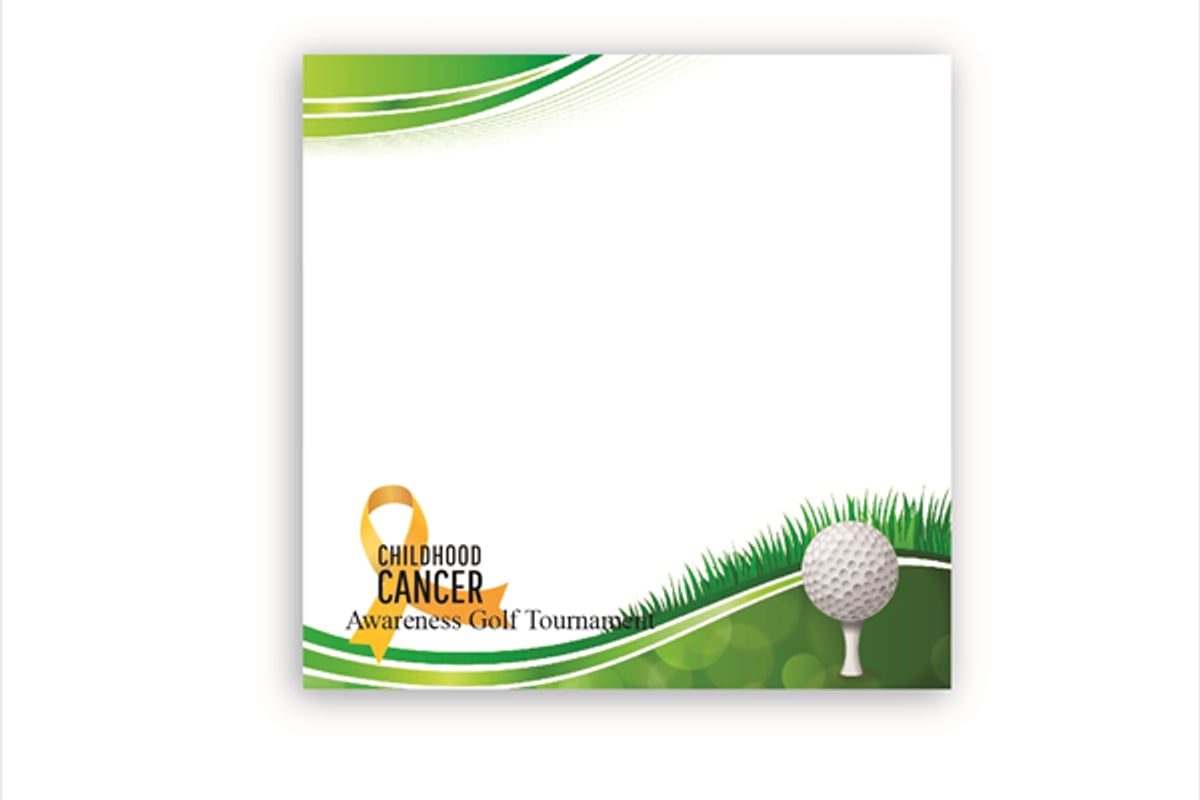
These categories reflect current workplace trends, including hybrid working environments, sustainability consciousness, and emphasis on employee wellbeing. For instance, office essentials like Post-it® Custom Printed Notes combine practical everyday utility with premium full-colour branding that keeps your company top-of-mind whenever someone leaves a message or reminder.
Design Principles for Effective Branded Merchandise
Creating custom corporate merchandise that people actually want to use demands thoughtful design that enhances rather than overwhelms the product itself. In 2026, minimalist logo placements and sophisticated branding approaches are replacing loud, oversized logos that scream "free swag."
Less Is Often More
Subtle branding creates premium perceptions. Consider these design approaches:
- Small, tastefully placed logos on high-quality materials
- Monochromatic or tonal colour schemes
- Embroidered details rather than screen printing
- Elegant typography over complex graphics
This minimalist trend reflects broader changes in consumer aesthetics and the desire for products that don't look overtly promotional. Recipients are more likely to use items that integrate seamlessly into their personal or professional lives.
Strategic logo placement by product type:
| Product Category | Recommended Placement | Why It Works |
|---|---|---|
| Apparel | Left chest, sleeve, or discrete back neck | Professional appearance, doesn't overwhelm design |
| Drinkware | Single side, small scale | Visible when in use, not dominating |
| Bags | Subtle exterior tag or small corner | Maintains product aesthetics |
| Tech accessories | Edge or corner detail | Preserves sleek, modern look |
Colour Psychology in Corporate Branding
Colour choices communicate brand personality and influence recipient perceptions. Custom corporate merchandise offers opportunities to reinforce brand identity through consistent colour application across product lines.
Understanding colour associations helps select products and design elements that align with your messaging. Blues convey trust and professionalism, greens suggest sustainability and growth, whilst bold colours like red create energy and urgency.
Sustainability as a Non-Negotiable Standard
Environmental responsibility has moved from nice-to-have to essential requirement in custom corporate merchandise selection. Companies are ending throwaway corporate swag in favour of durable, sustainable alternatives that reflect their values.
Eco-Friendly Material Options
The range of sustainable materials continues to expand, offering choices that don't compromise on quality or aesthetics:
- Organic cotton: Pesticide-free, sustainably grown fibres for apparel
- Recycled polyester: Post-consumer plastic bottles transformed into fabric
- Bamboo: Fast-growing, renewable resource for various products
- Cork: Harvested without harming trees, naturally antimicrobial
- Recycled aluminium: Energy-efficient production, infinitely recyclable
Businesses exploring eco-friendly merchandise options discover that sustainable products often command higher perceived value, creating positive brand associations that extend beyond the product itself.
Circular Economy Approaches
Progressive companies are implementing take-back programs and designing custom corporate merchandise with end-of-life considerations. This circular approach reduces waste whilst demonstrating genuine environmental commitment.
Consider these strategies:
- Modular design: Products with replaceable components extend lifespan
- Repair programs: Offering fixes for damaged items shows quality confidence
- Recycling partnerships: Making disposal responsible and easy
- Biodegradable options: Ensuring minimal environmental impact
These approaches align with effective custom corporate merchandise strategies that prioritize long-term brand reputation over short-term cost savings.
Budget Planning and Cost Management
Smart financial planning ensures custom corporate merchandise programs deliver strong ROI without overspending. Understanding cost structures, production minimums, and strategic ordering helps maximize your investment.
Breaking Down Product Costs
| Cost Component | Typical Percentage | Optimization Strategy |
|---|---|---|
| Base product | 40-60% | Volume discounts, smart sourcing |
| Customization | 20-30% | Simplified designs, efficient methods |
| Shipping/logistics | 10-20% | Consolidated orders, local suppliers |
| Storage/handling | 5-10% | Just-in-time ordering, dropshipping |
These percentages vary by product type and order volume, but understanding the breakdown helps identify savings opportunities without compromising quality.
Volume strategies that work:
- Consolidate orders across departments to reach higher quantity tiers
- Plan annual needs in advance for better pricing negotiations
- Partner with suppliers who offer flexible minimum order quantities
- Consider house stock items for faster turnaround and lower costs
The 10% Quality Buffer
Smart merchandisers apply the 10% rule by ordering slightly more than needed. This buffer accounts for quality control issues, damage during shipping, and last-minute recipient additions.
This approach prevents disappointment and demonstrates professionalism. Running short on merchandise at events or employee recognition moments creates negative impressions that outweigh any cost savings from minimal ordering.
Strategic Distribution Channels
How you deliver custom corporate merchandise significantly impacts its effectiveness. Different distribution methods suit different objectives, and matching strategy to purpose ensures optimal results.
Event-Based Distribution
Trade shows, conferences, and corporate events offer prime opportunities for merchandise distribution. However, success requires moving beyond standard bag stuffers to memorable items that recipients value.
Event merchandise best practices:
- Choose portable items appropriate for travel
- Offer premium options for qualified leads versus general attendees
- Create interactive experiences around merchandise collection
- Follow up post-event with additional branded items for top prospects
The key is ensuring your custom corporate merchandise enhances the event experience rather than adding to attendee baggage burden.
Employee Engagement Programs
Internal distribution requires different considerations than external marketing. Employees recognize and appreciate quality, making premium selections essential for successful programs.
Onboarding kits, anniversary gifts, achievement awards, and team-building initiatives all benefit from thoughtful merchandise selection. These programs strengthen company culture whilst turning employees into brand ambassadors who use your products in their communities.
Consider establishing an internal company store where employees can select preferred items within allocated budgets, increasing satisfaction and ensuring they receive merchandise they'll actually use.
Direct Mail and Client Appreciation
Sending custom corporate merchandise directly to clients and prospects creates personal touchpoints that strengthen relationships. These programs demand premium product selection and thoughtful presentation.
Packaging matters enormously in direct mail contexts. Unboxing experiences that reflect care and attention create emotional connections and encourage social sharing. Include personalized notes explaining why you chose the specific item for the recipient.
Measuring Merchandise Program Success
Quantifying promotional product ROI helps justify budgets and refine strategies. Whilst some benefits like brand awareness prove difficult to measure precisely, several metrics provide valuable insights.
Trackable Performance Indicators
- Redemption rates: Percentage of recipients using items with promotional codes
- Social media mentions: Tagged photos and posts featuring your merchandise
- Survey feedback: Direct recipient input on product quality and usefulness
- Cost per acquisition: New clients gained through merchandise campaigns
- Employee retention: Impact of recognition programs on tenure rates
Establishing baseline measurements before launching programs enables meaningful comparison and continuous improvement.
A/B testing opportunities:
- Different product types for similar audiences
- Varying quality levels at different price points
- Alternative branding approaches and design styles
- Diverse distribution methods and timing strategies
These tests generate data-driven insights that optimize future custom corporate merchandise investments.
Long-Term Brand Tracking
Beyond immediate metrics, monitor how merchandise programs influence overall brand perception. Quarterly surveys measuring brand awareness, consideration, and preference among target audiences help assess cumulative impact.
Important considerations for custom corporate merchandise include alignment with broader marketing objectives and integration with other brand touchpoints for consistent messaging.
Partnering With the Right Merchandise Provider
Supplier selection profoundly impacts program success. The ideal partner offers more than product catalogues, providing strategic guidance, quality assurance, and reliable service that makes your role easier.
Essential Supplier Capabilities
Look for providers who demonstrate:
- Product expertise: Deep knowledge across categories and materials
- Design support: In-house creative services for optimal branding
- Quality control: Rigorous inspection processes before shipment
- Flexible minimums: Options for both large and small orders
- Local presence: Understanding of regional preferences and regulations
Canadian businesses benefit from working with suppliers who understand domestic market nuances and can navigate cross-border logistics when necessary.
Communication and Collaboration
The best merchandise partnerships feel collaborative rather than transactional. Suppliers should ask probing questions about your objectives, audience, and brand before making recommendations.
Red flags that suggest finding a different partner:
- Pushing products rather than understanding needs
- Unclear pricing or hidden fees
- Poor communication or slow response times
- No samples available for evaluation
- Limited customization options
Taking time to establish the right partnership prevents frustration and ensures your custom corporate merchandise programs achieve their potential.
Emerging Trends Shaping 2026 and Beyond
Staying current with industry developments helps businesses remain competitive and relevant. The future of custom merchandise includes technological integration, hyper-personalization, and continued sustainability emphasis.
Technology-Enhanced Products
Smart merchandise incorporating technology creates unique value propositions:
- Wireless charging capabilities built into everyday items
- NFC chips enabling digital experiences through physical products
- QR codes linking to exclusive content or offers
- App-connected products tracking usage and engagement
These innovations transform static promotional items into dynamic marketing tools that bridge physical and digital experiences.
Hyper-Personalization at Scale
Advanced printing technologies and data integration enable custom corporate merchandise tailored to individual recipients whilst maintaining production efficiency. Variable data printing creates unique versions of products within single production runs.
Imagine sending notepads with personalized covers featuring recipient names and customized messages, or apparel with individualized designs reflecting specific interests or achievements. This level of personalization deepens emotional connections and increases perceived value.
Inclusive and Accessible Design
Progressive companies prioritize merchandise that serves diverse audiences. This includes offering extended size ranges in apparel, creating products suitable for various abilities, and ensuring designs resonate across cultural contexts.
Inclusive approaches expand your program's reach whilst demonstrating genuine commitment to diversity and belonging. These considerations should inform both product selection and design development from the outset.
Custom corporate merchandise remains one of the most effective marketing investments when approached strategically, combining quality products with thoughtful design and distribution. Success requires understanding your audience, aligning merchandise with brand values, and measuring results to continuously improve program effectiveness. Whether you're launching an employee recognition initiative, planning event giveaways, or strengthening client relationships, The Promo Hut helps businesses throughout Canada select and customize promotional products that make lasting impressions whilst supporting your broader marketing objectives.