
Imprinted promotional items have evolved from simple marketing trinkets into powerful brand-building tools that create lasting connections between businesses and their audiences. In 2026, these tangible branded products continue to outperform many digital marketing channels in terms of cost-per-impression, brand recall, and customer engagement. Whether you're planning a trade show, launching a new product, or building customer loyalty, understanding how to leverage imprinted promotional items strategically can transform your marketing results. This guide explores everything from selecting the right products to maximizing their impact across your marketing campaigns.
Why Imprinted Promotional Items Still Dominate Marketing in 2026
Digital fatigue is real. With consumers receiving hundreds of digital messages daily, physical branded merchandise cuts through the noise in ways that emails and social media posts simply can't. Recent research shows that promotional products generate significantly lower carbon emissions per impression compared to digital advertising, making them both effective and environmentally responsible choices for modern marketers.
The statistics speak volumes about their effectiveness:
- Recipients keep promotional products for an average of 8 months
- 83% of people enjoy receiving branded merchandise
- Promotional items generate 500% more referrals than digital advertisements
- Cost-per-impression can be as low as £0.002 for frequently used items

The Psychology Behind Branded Merchandise
When someone receives a useful imprinted promotional item, they experience a sense of reciprocity that influences their perception of your brand. This psychological principle, deeply rooted in human behaviour, creates a positive association that digital marketing struggles to replicate. Studies on consumer behaviour with branded items reveal that most people have multiple promotional products in their homes or offices, demonstrating the long-lasting presence these items maintain in daily life.
The tangible nature of these products creates what marketers call "sticky" brand experiences. Unlike a fleeting social media post, a well-designed notebook or water bottle sits on someone's desk for months, generating thousands of brand impressions without additional investment.
Selecting the Right Imprinted Promotional Items for Your Goals
Not all promotional products deliver equal results. Your selection should align with your specific marketing objectives, target audience preferences, and budget constraints. The most successful campaigns start with strategic product selection rather than choosing items based solely on unit cost.
Matching Products to Marketing Objectives
| Marketing Goal | Recommended Product Categories | Why They Work |
|---|---|---|
| Trade Show Lead Generation | Tote bags, USB drives, notebooks | High perceived value, immediate utility |
| Customer Retention | Premium drinkware, tech accessories | Daily use creates ongoing brand exposure |
| Brand Awareness | Apparel, caps, lanyards | Walking advertisements with broad visibility |
| Corporate Gifting | Leather goods, premium writing instruments | Communicate quality and appreciation |
| Event Marketing | Wristbands, badge holders, stadium cups | Create cohesive event experience |
Your audience demographics play a crucial role in product selection. Corporate executives respond differently to branded office products than university students do to casual apparel. Research your recipients' lifestyles, work environments, and preferences before committing to large orders.
Quality Over Quantity: The ROI Equation
Many businesses make the mistake of ordering maximum quantities of low-quality items to stretch their budget. This approach often backfires. A poorly made product that breaks after a week generates negative brand associations rather than positive impressions.
Consider these quality indicators when evaluating suppliers:
- Material durability and construction methods
- Print quality and imprint longevity
- Product reviews and sample availability
- Warranty or satisfaction guarantees
- Environmental certifications and ethical sourcing
Investing in 500 premium items that recipients use for years delivers better ROI than 2,000 disposable products that end up in bins within weeks. The cost-per-impression calculation shifts dramatically when you factor in retention and usage frequency.
Imprint Methods and Design Considerations
The imprinting technique you choose affects both the appearance and durability of your branded merchandise. Different imprinting methods offer distinct advantages depending on your product type, design complexity, and budget.
Common Imprinting Techniques Compared
Screen Printing remains the most cost-effective method for large orders of apparel and flat surfaces. It delivers vibrant colours and excellent durability, making it ideal for t-shirts, tote bags, and stadium cups. However, setup costs make it less economical for orders under 50 units.
Embroidery elevates the perceived value of apparel items like polos, jackets, and caps. The textured, three-dimensional appearance communicates quality and professionalism, though it works best with simplified logo designs rather than complex artwork.
Laser Engraving creates permanent, sophisticated imprints on metal, wood, and leather products. This method suits premium items like pens, drinkware, and technology accessories where subtle branding enhances rather than overwhelms the product design.
Full-Colour Digital Printing enables photographic quality reproduction and unlimited colours without setup fees. Items like the Post-it® Custom Printed Notepad showcase how vibrant full-colour printing transforms everyday office supplies into memorable brand touchpoints that increase engagement every time someone jots down a note.

Design Principles for Maximum Impact
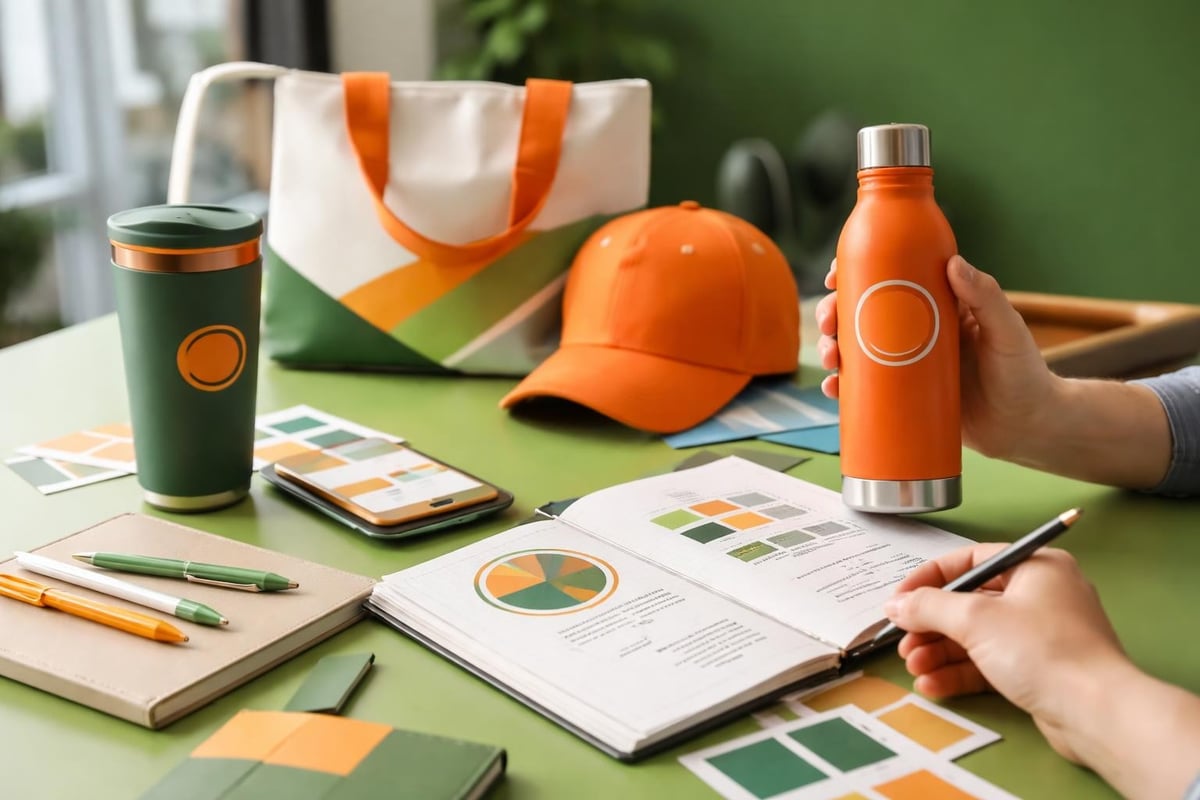
Your imprint design must balance brand recognition with aesthetic appeal. Overcrowded designs with too much text or oversized logos often deter usage, defeating the entire purpose of the promotional item.
- Keep it simple: Your logo and perhaps a website or tagline is usually sufficient
- Consider placement carefully: Front and centre isn't always the most effective location
- Think about colour contrast: Ensure your imprint shows clearly against the product colour
- Test readability: Small text becomes illegible when reduced to actual size on compact items
- Respect the product: Let quality items speak for themselves with subtle branding
The most effective imprinted promotional items don't scream advertisement. They offer genuine utility while incorporating branding that recipients actually want to display.
Distribution Strategies That Maximize Reach
Having brilliant imprinted promotional items means nothing if they don't reach the right people at the right time. Your distribution strategy determines whether your investment generates meaningful returns or simply fills storage closets.
Trade Shows and Events
Events remain prime opportunities for promotional product distribution, but strategic timing matters. Avoid giving away your premium items too early when attendees are fresh and selective. Similarly, waiting until the final hours means reaching only stragglers with depleted carry bags.
Effective event distribution tactics include:
- Qualifying recipients: Ask qualifying questions before distributing premium items
- Creating tiers: Offer standard items broadly while reserving premium products for qualified leads
- Interactive distribution: Use games, contests, or demonstrations that create memorable associations
- Post-event follow-up: Include promotional items in follow-up packages to reinforce connections
The average trade show attendee visits 26 booths and collects 5-7 promotional items. Make yours memorable through thoughtful product selection and creative distribution rather than simply piling items on a table.
Direct Mail and Customer Appreciation
Including imprinted promotional items in direct mail campaigns significantly increases open rates and response. A dimensional package feels different from standard mail, creating curiosity that flat envelopes can't match. This approach works particularly well for customer retention programmes where the investment in existing relationships justifies higher per-unit costs.
Employee Advocacy and Internal Branding
Your employees represent untapped distribution channels for branded merchandise. Quality apparel and accessories that staff actually want to wear extend your brand visibility beyond traditional marketing channels whilst building team cohesion and pride.
Industry Trends Reshaping Imprinted Promotional Items
The promotional products industry continues evolving in response to consumer preferences, environmental concerns, and technological advances. Staying current with these trends ensures your campaigns remain relevant and effective.
Sustainability Takes Centre Stage
Eco-friendly promotional products have shifted from niche offerings to mainstream expectations. Consumers increasingly judge brands by their environmental commitments, making sustainable merchandise choices both ethical and strategic marketing decisions.
Popular sustainable materials include:
- Recycled plastics and ocean-bound plastic waste
- Organic cotton and bamboo fibres
- Wheat straw composites and plant-based alternatives
- Reclaimed wood and responsibly sourced materials
- Biodegradable and compostable options
The promotional industry’s lower carbon footprint compared to digital advertising provides an unexpected environmental advantage, particularly when products are manufactured sustainably and used for extended periods.
Technology Integration
Smart promotional products that integrate with mobile devices represent the cutting edge of branded merchandise. Items like wireless charging pads, Bluetooth trackers, and app-connected drinkware blend physical utility with digital connectivity, creating hybrid touchpoints that appeal to tech-savvy audiences.
| Product Category | Technology Integration | Marketing Benefit |
|---|---|---|
| Drinkware | Temperature sensors, hydration tracking | Extended app engagement |
| Bags | Built-in charging capabilities | Daily use necessity |
| Writing Instruments | Digital note capture | Professional appeal |
| Wearables | Fitness tracking, NFC chips | Health and wellness connection |
These innovations command premium pricing but deliver unprecedented engagement opportunities by creating ongoing digital interactions alongside physical brand presence.
Personalization and Customization
Generic mass-produced items are giving way to personalized experiences. Variable data printing allows you to customize individual items with recipient names, specific messages, or targeted designs within the same production run.
This personalization creates emotional connections that generic items cannot match. When someone receives a product specifically designed for them, the perceived value multiplies even if the actual cost difference is minimal.
Measuring ROI from Imprinted Promotional Items
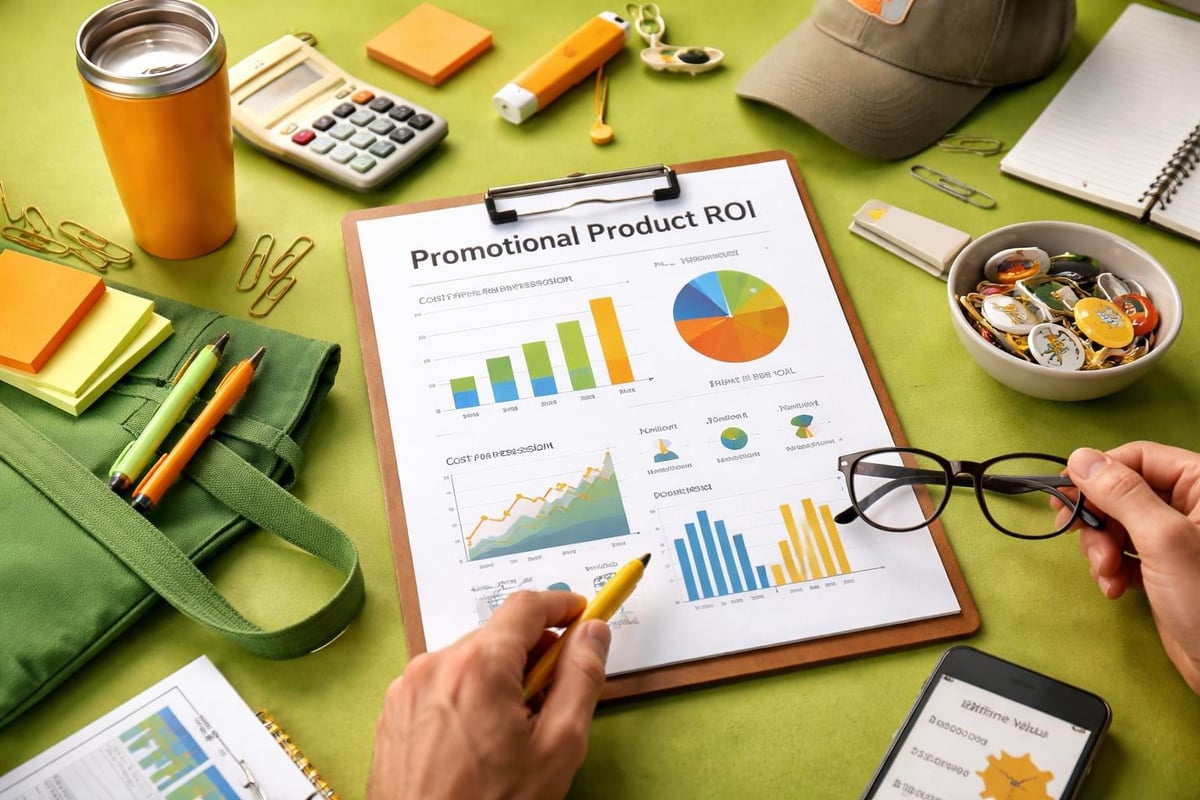
Many businesses struggle to quantify promotional product effectiveness because they lack proper measurement frameworks. Establishing clear metrics before launching campaigns enables meaningful ROI analysis and continuous optimization.
Tracking Methods and Attribution
Direct attribution works best for:
- Unique promotional codes printed on items
- Custom landing pages referenced on products
- QR codes linking to tracked URLs
- Phone numbers specific to promotional campaigns
Indirect measurement approaches include:
- Surveying recipients about brand recall and perception changes
- Comparing sales performance in markets receiving promotional items versus control markets
- Tracking social media mentions and user-generated content featuring your products
- Monitoring website traffic spikes correlated with distribution events
Cost-Per-Impression Analysis
Calculate your cost-per-impression by dividing total campaign cost by the estimated number of impressions generated. For items kept 8 months and seen by 5 people daily, a £5 product generates approximately 1,200 impressions, yielding a cost-per-impression of £0.004.
Compare this with digital advertising costs:
| Channel | Average Cost-Per-Impression | Engagement Rate |
|---|---|---|
| Social Media Ads | £0.015-0.025 | 0.9-1.5% |
| Display Advertising | £0.008-0.012 | 0.1-0.3% |
| Search Ads | £0.020-0.040 | 2-5% |
| Promotional Products | £0.002-0.008 | 100% (usage-based) |
Understanding the full impact of promotional products requires looking beyond initial impressions to lifetime value influences, referral generation, and relationship deepening that quality items facilitate.
Common Mistakes to Avoid
Even experienced marketers sometimes stumble with imprinted promotional items. Learning from common pitfalls saves budget and improves campaign performance.
Ordering Without Samples
Never commit to large orders without examining physical samples first. Colours appear differently in person than on screens, materials feel different than descriptions suggest, and imprint quality varies between suppliers. Request samples of both the blank product and imprinted versions before finalizing orders.
Ignoring Lead Times
Rush orders incur significant premiums and limit product options. Standard imprinted promotional items typically require 2-3 weeks from order to delivery, while custom products may need 6-8 weeks. Factor in shipping time, particularly when working with Canadian suppliers who navigate cross-country logistics.
Plan your campaigns with adequate buffer time for:
- Sample review and approval (1 week)
- Design finalization and proof approval (3-5 days)
- Production time (7-14 days for standard items)
- Shipping and quality inspection (3-7 days)
- Distribution preparation (2-3 days)
Overlooking Total Cost
The quoted unit price represents only part of your total investment. Setup fees, shipping costs, rush charges, and additional colour fees accumulate quickly. Request detailed quotes that include all costs to avoid budget surprises.
Choosing Products You Like Rather Than What Recipients Want
Your personal preferences don't matter if they don't align with recipient needs. A golfer might love that branded divot tool, but it's useless to someone who's never touched a club. Research your audience and select products that genuinely enhance their daily lives.
Creating Cohesive Campaigns
Imprinted promotional items work best when integrated into broader marketing strategies rather than functioning as standalone tactics. Cohesive campaigns leverage promotional products alongside digital marketing, content, and traditional advertising for amplified impact.
Multi-Touchpoint Integration
Consider how promotional items can support your other marketing initiatives:
Content Marketing: Feature your branded merchandise in blog posts, videos, and social media content that demonstrates product utility rather than simply promoting items. User-generated content campaigns encouraging customers to share photos using your products create authentic social proof.
Email Marketing: Tease upcoming promotional item giveaways in email campaigns to increase open rates and event attendance. Post-event follow-up emails referencing the items recipients received reinforce connections and guide next steps.
Social Media: Create unboxing experiences for premium items that recipients want to share. Hashtag campaigns centered around your promotional products encourage participation and extend organic reach beyond your direct investment.
Building Product Families
Rather than ordering completely different items for each campaign, develop product families that create recognition and collection behaviour. When customers receive multiple items from the same collection, they associate the coordinated design with your brand more strongly than random products would achieve.
This approach works particularly well for businesses like The Promo Hut who serve clients seeking comprehensive branded merchandise solutions rather than one-off orders.
Regulatory Considerations and Compliance
Promotional product distribution involves regulatory considerations that vary by industry and jurisdiction. Understanding these requirements prevents costly mistakes and protects your brand reputation.
Safety Standards and Certifications
Products distributed in Canada must comply with relevant safety standards, particularly for items intended for children, food contact, or wearable electronics. Verify that suppliers provide appropriate certifications for your product categories.
Key certifications to verify:
- CPSIA compliance for children's products
- FDA approval for food-contact items
- Health Canada regulations for cosmetics and personal care items
- CSA certifications for electrical products
Intellectual Property Protection
Ensure you have proper rights to all logos, designs, and trademarked elements appearing on your promotional items. Suppliers typically require proof of trademark ownership or authorization before producing branded merchandise.
Similarly, avoid infringing others' intellectual property. Using licensed character images, sports team logos, or copyrighted designs without permission creates legal liability regardless of supplier assurances.
Privacy and Data Collection
If your promotional items incorporate technology that collects user data, comply with Canadian privacy legislation including PIPEDA. Clearly communicate what data is collected, how it's used, and provide opt-out mechanisms.
Future-Proofing Your Promotional Strategy
The promotional products landscape continues evolving with technological advances, environmental imperatives, and changing consumer expectations. Market research forecasts for the global promotional industry indicate sustained growth through 2033, driven by businesses recognizing the enduring value of tangible brand connections.
Emerging Product Categories
Watch for growth in:
- Health and wellness items: Fitness accessories, mental health tools, and ergonomic office products respond to increased wellness focus
- Remote work essentials: Home office accessories, video conferencing backgrounds, and productivity tools address hybrid work realities
- Experiential items: Products that create shareable moments rather than just functional utility
- Sustainable innovations: New materials and manufacturing processes that minimize environmental impact
Adapting to Generational Preferences
Different generations respond to promotional products distinctly. Gen Z values authentic sustainability and experiences over accumulation, whilst Baby Boomers appreciate practical, high-quality items. Tailor your product selection and messaging to resonate with your specific audience demographics.
Your promotional strategy should remain flexible enough to incorporate emerging trends whilst maintaining consistency with your core brand identity and marketing objectives.
Working With Promotional Product Suppliers
The supplier relationship significantly impacts your campaign success. Quality suppliers function as strategic partners who guide product selection, navigate production challenges, and ensure timely delivery.
What to Look For in a Supplier
Product Knowledge: Strong suppliers understand how different items perform in various contexts and can recommend alternatives when your initial choices might not deliver desired results. They stay current with industry trends and can introduce innovative options you might not discover independently.
Transparent Communication: Clear timelines, honest lead times, and proactive updates about potential delays build trust and enable effective planning. Suppliers who overpromise and underdeliver create cascading problems throughout your marketing calendar.
Quality Assurance: Rigorous inspection processes ensure you receive products matching approved samples. Request information about quality control procedures and remediation policies for defective merchandise.
Questions to Ask Before Ordering
- What's included in the quoted price versus additional charges?
- What's the minimum order quantity and price breaks for larger orders?
- How many colours can be printed at the base price?
- What's the standard production timeline and rush options?
- What's the policy for overruns, underruns, and defects?
- Are samples available and what's the cost?
- What file formats and specifications are required for artwork?
Building relationships with reliable suppliers like those specializing in corporate apparel and comprehensive promotional products streamlines the ordering process and ensures consistent quality across campaigns.
Seasonal Planning and Inventory Management
Strategic businesses plan promotional product needs quarterly or annually rather than ordering reactively. This approach secures better pricing, ensures product availability, and enables thoughtful campaign integration.
Annual Planning Framework
Q1 (January-March): Trade show season preparation, new year client gifts, spring event planning
Q2 (April-June): Summer event inventory, employee anniversary recognition, outdoor product focus
Q3 (July-September): Back-to-school corporate gifts, autumn event preparation, year-end planning
Q4 (October-December): Holiday gifts, year-end appreciation, next year's planning
Inventory Considerations
Maintaining modest inventory of frequently used items provides flexibility for last-minute opportunities whilst bulk ordering achieves better pricing. Balance inventory holding costs against per-unit savings and rush order premiums.
Store promotional items properly to maintain quality:
- Climate-controlled environments for sensitive materials
- Protected from light exposure that fades imprints
- Organized systems enabling quick access and inventory tracking
- Regular rotation to use oldest stock first
Imprinted promotional items remain powerful marketing tools that create tangible connections in an increasingly digital world. By selecting quality products, designing thoughtful imprints, and distributing strategically, you transform everyday items into lasting brand ambassadors that generate thousands of impressions long after initial investment. Whether you're launching your first promotional campaign or refining established programmes, partnering with experienced specialists ensures your branded merchandise achieves maximum impact. The Promo Hut brings decades of expertise in promotional products and branded merchandise to businesses throughout Canada, offering personalized service and competitive pricing that transforms your marketing vision into memorable branded experiences your customers will actually use and appreciate.