
Logo promotional gifts have become one of the most effective marketing tools available to Canadian businesses in 2026. These branded items do more than just display your company name; they create lasting impressions, foster customer loyalty, and keep your brand visible in everyday settings. Whether you're planning a corporate event, launching a new product, or simply looking to strengthen your market presence, understanding how to select and customize promotional gifts can dramatically improve your marketing ROI.
Why Logo Promotional Gifts Deliver Marketing Results
The tangible nature of promotional products creates a unique advantage over digital advertising. When someone receives a well-chosen branded item, they interact with your logo repeatedly, creating multiple touchpoints that build familiarity and trust. Research from the British Promotional Merchandise Association demonstrates that promotional gifts generate higher brand recall than many traditional advertising channels.
Physical promotional items offer distinct benefits:
- Recipients keep useful items for months or even years
- Your logo gains visibility beyond the initial recipient
- Branded merchandise creates positive associations with your company
- Promotional gifts work across all demographics and industries
- They complement digital marketing efforts effectively
The key to success lies in choosing products that align with your brand values and resonate with your target audience. A construction company might distribute high-quality branded safety equipment, whilst a tech startup could offer sleek, modern office accessories. The product itself becomes an extension of your brand identity.
Understanding Your Audience's Needs
Before selecting logo promotional gifts, you must understand who will receive them. Different audiences respond to different products, and what works for trade show attendees won't necessarily appeal to corporate executives or retail customers.
Consider these audience segments:
| Audience Type | Preferred Products | Key Considerations |
|---|---|---|
| Corporate Clients | Premium drinkware, tech accessories, executive gifts | Quality over quantity, sophisticated design |
| Trade Show Visitors | Pens, notepads, USB drives, tote bags | Portability, immediate usefulness |
| Employees | Apparel, water bottles, desk accessories | Everyday usability, pride in wearing/using |
| Retail Customers | Keychains, magnets, small accessories | Low cost, high perceived value |
Understanding these preferences helps you allocate your budget effectively and ensures your promotional gifts actually get used rather than discarded.
Choosing the Right Products for Your Brand
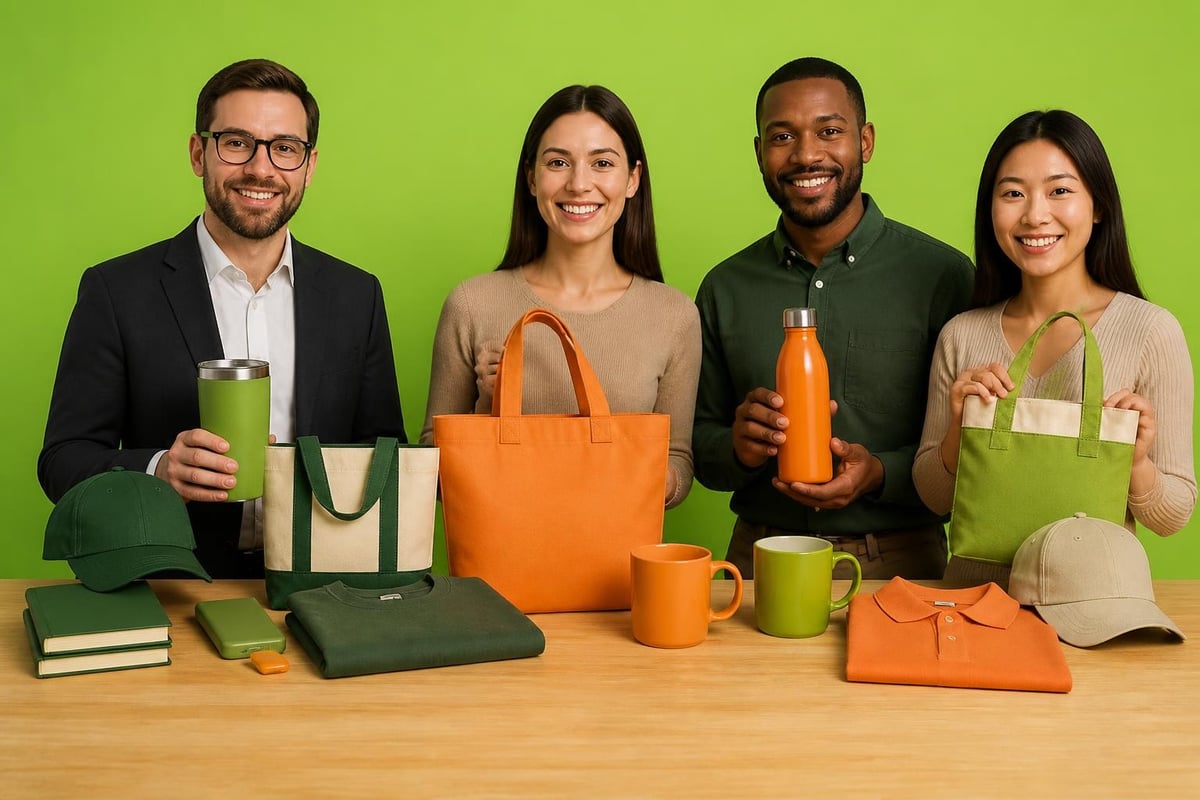
The vast array of available promotional products can feel overwhelming. Focusing on items that reflect your brand personality and serve a genuine purpose for recipients will always yield better results than simply choosing the cheapest option.
Popular logo promotional gift categories include:
- Apparel: T-shirts, polos, hoodies, caps, jackets
- Drinkware: Water bottles, coffee mugs, tumblers, wine glasses
- Writing Instruments: Pens, pencils, styluses, highlighters
- Tech Products: USB drives, wireless chargers, earbuds, phone accessories
- Office Supplies: Notepads, sticky notes, desk organisers, calendars
- Bags: Tote bags, backpacks, messenger bags, drawstring bags
When evaluating products, consider their practical value. Selecting promotional products with genuine utility ensures recipients will actually use them, which extends your brand's visibility over time.
Quality matters tremendously. A premium pen that writes smoothly for years creates a far better impression than a dozen cheap pens that stop working within weeks. Sometimes investing in fewer, higher-quality items delivers superior marketing results.
Matching Products to Marketing Objectives
Different promotional products serve different marketing goals. Defining your objectives before selecting items helps you make strategic choices that support your broader business aims.
- Brand Awareness: Choose highly visible items like apparel, bags, or drinkware that recipients use in public
- Customer Retention: Select premium, personalized gifts that demonstrate appreciation
- Lead Generation: Opt for mid-range items valuable enough to encourage information exchange
- Employee Engagement: Invest in quality items employees will proudly use daily
- Event Promotion: Pick portable, themed items that create memorable event experiences
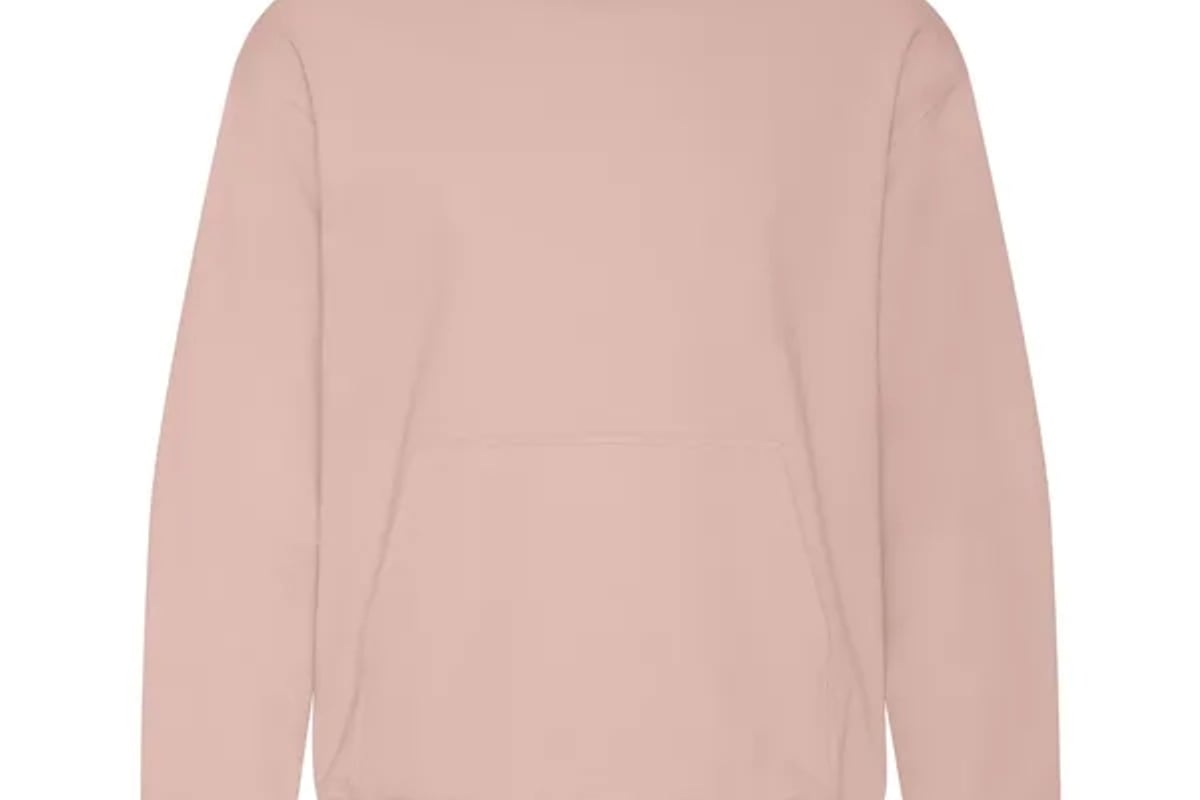
For instance, if you're focused on employee engagement, quality branded apparel makes an excellent choice. Items like the KOI® ELEMENT CFF PULLOVER HOODIE offer comfort and style that employees actually want to wear, transforming them into walking brand ambassadors.
Design Best Practices for Logo Promotional Gifts
Excellent product selection means nothing if your logo and branding aren't applied effectively. Design matters significantly in promotional products, and thoughtful design choices separate memorable branded gifts from forgettable ones.
Logo Placement and Sizing
Where you position your logo dramatically affects its visibility and the product's overall aesthetic appeal. The goal is creating balance between brand presence and product attractiveness.
Strategic logo placement guidelines:
- Apparel: Left chest for professional looks, full back for maximum visibility
- Drinkware: Front center or wrap-around designs work best
- Bags: Front pocket or centered on main panel
- Tech accessories: Subtle corner placement or back positioning
- Writing instruments: Barrel or clip for consistent visibility
Logo size requires careful consideration as well. Oversized logos can appear aggressive and reduce the likelihood recipients will use the item. Conversely, tiny logos fail to create brand recognition.
A general rule: your logo should be immediately visible but not dominate the entire product. For apparel, a 3-4 inch logo on the chest works well, whilst smaller items like pens might feature 1-2 inch designs.
Color Selection and Brand Consistency
Your promotional gifts should reinforce your existing brand identity rather than introduce visual confusion. Maintaining color consistency across all marketing materials, including logo promotional gifts, strengthens brand recognition.
| Design Element | Best Practice | Why It Matters |
|---|---|---|
| Logo Colors | Use official brand palette | Ensures recognition across platforms |
| Product Colors | Complement or match brand colors | Creates cohesive brand experience |
| Contrast | Ensure logo stands out from background | Improves visibility and readability |
| Typography | Use brand fonts when possible | Reinforces overall brand identity |
Consider how different printing methods affect color accuracy. Screen printing offers vibrant, durable results for simple designs, whilst full-color digital printing works better for complex logos with gradients or photographs.
Printing and Customization Methods
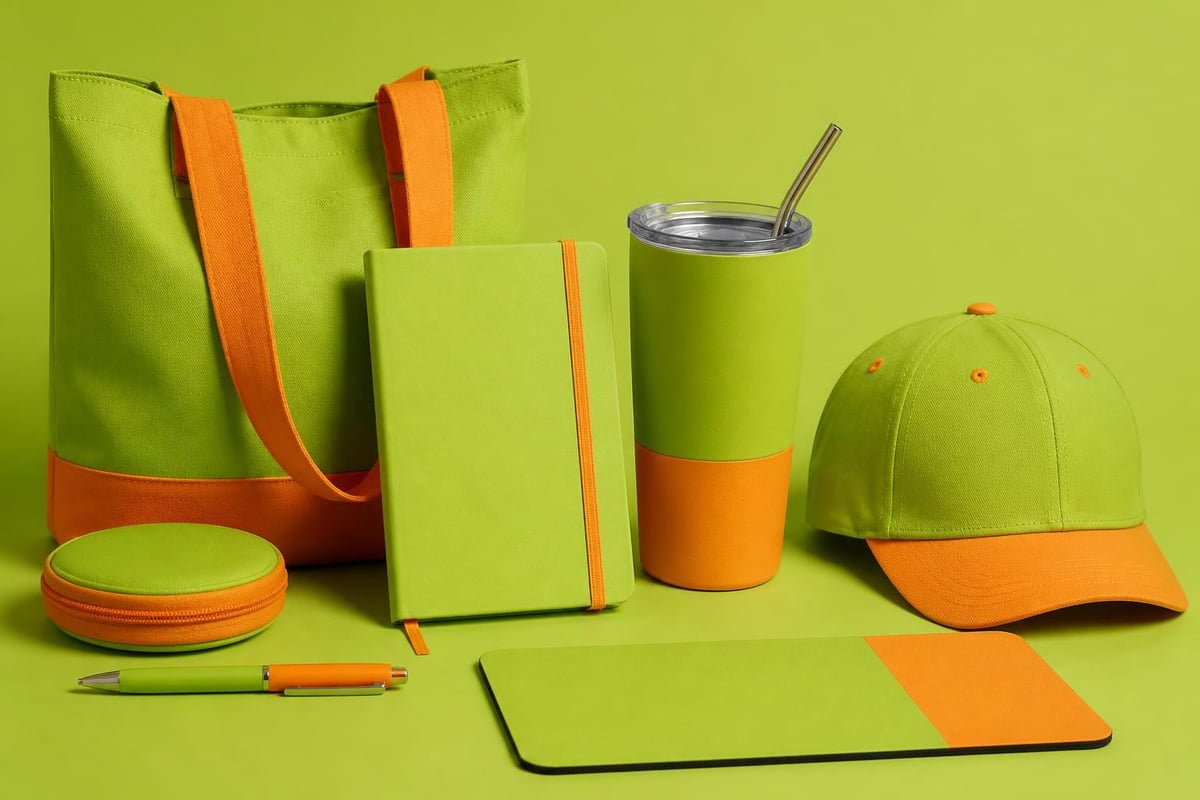
Understanding available customization techniques helps you select the right method for each product type. Different approaches offer varying levels of durability, detail, and cost-effectiveness.
Common Branding Techniques
Screen Printing: Ideal for apparel and fabric bags, offering excellent durability and vibrant colors. Works best for designs with limited colors.
Embroidery: Creates premium, textured logos on apparel and soft goods. Particularly effective for corporate gifts where quality perception matters.
Pad Printing: Perfect for small items like pens, keychains, and tech accessories. Allows precise logo placement on curved or irregular surfaces.
Laser Engraving: Provides permanent, sophisticated branding on metal, wood, and leather products. Excellent for executive gifts.
Digital Printing: Enables full-color, photo-quality designs on various surfaces. Ideal for complex logos or limited quantity orders.
Debossing/Embossing: Creates subtle, tactile branding on leather goods, journals, and premium items. These subtle branding techniques often appeal to recipients who prefer understated elegance.
The right method depends on your product choice, logo complexity, budget, and desired aesthetic. Many businesses use multiple techniques across their promotional product portfolio to match each item's characteristics.
Building an Effective Promotional Gift Strategy
Random distribution of logo promotional gifts rarely delivers optimal results. Strategic planning ensures your branded merchandise supports specific business objectives and reaches the right audiences at the right times.
Setting Clear Goals and Metrics
- Define specific objectives: Increase trade show leads by 30%, improve employee satisfaction scores, or boost customer retention rates
- Identify target audiences: Determine exactly who should receive promotional gifts
- Establish budget parameters: Allocate funds based on expected ROI and quantity requirements
- Create distribution timelines: Plan when and how products will reach recipients
- Measure results: Track metrics like lead generation, brand recall, or engagement rates
Many businesses fail to measure promotional gift effectiveness, missing opportunities to refine their approach. Simple tracking mechanisms like unique discount codes or landing pages help quantify impact.
Timing Your Promotional Gift Campaigns
Strategic timing amplifies the effectiveness of logo promotional gifts. Aligning distribution with business cycles, events, or seasonal patterns creates stronger connections with recipients.
Optimal timing scenarios include:
- Trade shows and industry conferences where visibility matters
- Customer appreciation events celebrating loyalty milestones
- New employee onboarding to build company culture
- Product launches requiring market awareness
- Holiday gifting demonstrating gratitude to clients and partners
- Back-to-school periods for education-focused businesses
Planning three to six months ahead ensures adequate production time and prevents rushed decisions that compromise quality.
Budget Optimization for Logo Promotional Gifts
Maximizing marketing impact whilst controlling costs requires strategic thinking about where to invest your promotional product budget. The cheapest option rarely delivers the best value.
Quality Versus Quantity Considerations
This fundamental question affects every promotional gift decision: should you distribute many inexpensive items or fewer premium products? The answer depends on your marketing objectives and audience expectations.
| Approach | Best For | Typical ROI |
|---|---|---|
| High quantity, lower cost | Trade show traffic, broad awareness | High reach, moderate engagement |
| Moderate quantity, mid-range cost | Customer appreciation, lead nurturing | Balanced reach and retention |
| Low quantity, premium quality | Executive gifts, top-tier clients | Lower reach, high loyalty impact |
Best practices for branding corporate gifts often emphasize quality over quantity, particularly when targeting decision-makers or valued customers. A single exceptional gift creates stronger impressions than multiple forgettable items.
Cost-Effective Product Categories
Certain product categories consistently deliver strong value regardless of budget constraints:
- Writing instruments: Low unit costs, universal appeal, extended use life
- Drinkware: Moderate costs, daily usage, high visibility
- Tech accessories: Growing demand, perceived value exceeds actual cost
- Eco-friendly products: Increasingly important to consumers, supports sustainability messaging
- Office supplies: Practical utility ensures retention and use
You can explore diverse options for swag promotional products that fit various budget levels whilst maintaining quality standards.
Industry-Specific Logo Promotional Gift Ideas
Different industries benefit from tailored promotional product approaches that resonate with their specific audiences and operational contexts.
Corporate and Professional Services
Law firms, accounting practices, and consulting businesses should prioritize sophistication and practicality. Premium notebooks, elegant pens, leather portfolios, and quality drinkware reinforce professional credibility.
Healthcare and Wellness
Medical practices, fitness centers, and wellness brands connect with audiences through health-focused items. Water bottles, fitness accessories, stress relief products, and sanitization items align perfectly with industry values.
Technology and Startups
Tech companies benefit from modern, innovative promotional gifts. Wireless chargers, USB drives, laptop accessories, and smart device holders appeal to tech-savvy audiences whilst showcasing forward-thinking brands.
Construction and Trades
Businesses in construction and manufacturing should focus on durable, practical items. Safety equipment, heavy-duty tools, quality workwear, and weather-resistant gear demonstrate understanding of recipient needs.
Hospitality and Events
Hotels, restaurants, and event planners excel with items guests use immediately or take home as souvenirs. Keychains, luggage tags, reusable straws, and compact mirrors create lasting connections.
Sustainability in Promotional Gifting
Environmental consciousness increasingly influences promotional product decisions. Canadian businesses in 2026 face growing expectations to demonstrate environmental responsibility through sustainable logo promotional gifts.
Eco-friendly product options include:
- Recycled materials (plastic bottles transformed into bags or apparel)
- Organic cotton apparel and accessories
- Bamboo or wood products replacing plastic alternatives
- Biodegradable or compostable items
- Reusable products reducing single-use waste
- Locally manufactured goods minimizing transportation impact
Beyond product selection, sustainable practices extend to packaging choices, production methods, and supplier partnerships. Many recipients now actively prefer brands demonstrating environmental commitment through thoughtful promotional gift choices.
Maximizing Impact Through Personalization
Generic logo promotional gifts work, but personalized items create significantly stronger connections with recipients. Adding individual names, custom messages, or tailored designs transforms standard promotional products into memorable gifts.
Levels of Personalization
- Basic: Company logo and contact information
- Intermediate: Recipient name or department added to standard design
- Advanced: Fully customized designs reflecting individual preferences or achievements
- Premium: Unique items selected specifically for individual recipients
Even simple personalization like including a handwritten note with promotional gifts substantially increases their perceived value and emotional impact.
Technology now enables cost-effective personalization even for smaller orders. Variable data printing allows different names or messages on each item without significantly increasing production costs or timelines.
Legal and Compliance Considerations
Whilst promotional gifts offer tremendous marketing potential, Canadian businesses must navigate certain legal and ethical guidelines when distributing logo promotional gifts.
Key considerations include:
- Value limits: Some industries restrict gift values to prevent conflicts of interest
- Disclosure requirements: Government and healthcare sectors often require gift reporting
- Tax implications: High-value gifts may create tax obligations for recipients
- Industry regulations: Certain professions prohibit accepting promotional items
- Privacy compliance: Ensure recipient information handling follows privacy legislation
Understanding these parameters before launching promotional campaigns prevents awkward situations and maintains professional relationships.
Storage and Distribution Logistics
Successfully executing promotional gift campaigns requires planning beyond product selection and design. Proper storage, inventory management, and distribution logistics ensure products reach recipients in excellent condition at the right time.
Inventory Management Strategies
- Maintain adequate stock levels for planned campaigns without over-ordering
- Store items in climate-controlled environments protecting quality
- Implement first-in-first-out rotation preventing product deterioration
- Track inventory accurately enabling quick campaign deployment
- Plan storage space requirements before ordering large quantities
For businesses without warehouse facilities, partnering with promotional product suppliers offering storage and fulfillment services solves logistical challenges efficiently.
Measuring Promotional Gift Campaign Success
Understanding whether your logo promotional gifts deliver expected results requires establishing measurement frameworks before distribution begins.
Key Performance Indicators
| Metric | Measurement Method | What It Reveals |
|---|---|---|
| Brand Recall | Surveys asking recipients to identify brand | Logo visibility effectiveness |
| Lead Generation | Tracking codes or unique URLs | Campaign conversion rates |
| Social Media Mentions | Hashtag monitoring and brand tags | Organic engagement and reach |
| Repeat Business | Customer purchase patterns post-gift | Loyalty and retention impact |
| Employee Satisfaction | Internal surveys and retention rates | Culture and engagement results |
Setting benchmarks based on previous campaigns or industry standards helps evaluate performance objectively. A 15-20% increase in brand awareness from a well-executed promotional gift campaign represents strong results for most businesses.
Emerging Trends in Promotional Gifting
The promotional products industry continuously evolves, introducing new opportunities for businesses to connect with audiences through logo promotional gifts.
Current trends shaping 2026 include:
- Smart products: Items incorporating technology like Bluetooth trackers or NFC chips
- Wellness focus: Products supporting mental and physical health
- Hybrid work accessories: Items serving both home and office environments
- Minimalist design: Clean, simple aesthetics replacing cluttered branding
- Experience-based gifts: Products enabling activities rather than passive ownership
- Subscription models: Ongoing promotional gift programs replacing one-time distributions
Staying aware of these trends helps businesses remain relevant whilst ensuring promotional gifts resonate with contemporary recipient preferences.
Selecting and executing effective logo promotional gift campaigns requires balancing product quality, design excellence, strategic distribution, and budget management. When done thoughtfully, branded merchandise creates lasting impressions that digital marketing simply cannot replicate. The Promo Hut brings expertise in promotional products and branded merchandise to Canadian businesses, offering personalized service and competitive pricing that helps you choose exactly the right items for your unique marketing objectives.