
Finding the right promotional products for your business shouldn't mean committing to hundreds of items you might not need. Whether you're a startup testing the waters with branded merchandise, a marketing team running targeted campaigns, or a small business owner watching every penny, promo items no minimum orders offer the flexibility modern businesses need. This approach transforms how companies think about branded merchandise, shifting from bulk-buying obligations to strategic, right-sized investments that align with actual business goals.
Why No-Minimum Promotional Products Matter in 2026
The promotional products industry has traditionally operated on economies of scale, pushing businesses toward large orders to justify setup costs and production runs. That model worked brilliantly for corporations with massive marketing budgets, but it left smaller businesses, startups, and test campaigns out in the cold.
Promo items no minimum options change this equation entirely. They democratize access to quality branded merchandise, allowing businesses of all sizes to compete on brand visibility. When you're not locked into ordering 250 pens or 500 tote bags, you gain the freedom to experiment, personalize, and respond to opportunities as they arise.
The Financial Flexibility Advantage
Traditional bulk ordering ties up capital in inventory that might sit in storage for months or even years. Consider a small consultancy that attends three trade shows annually. Under the old model, they'd order 500 items to meet minimums, use 150 at events, and store the rest. That's cash locked away in boxes rather than working for the business.
With no-minimum promotional products, that same consultancy orders exactly what they need:
- 50 items for the spring trade show
- 30 items for a client appreciation event
- 25 items for a summer conference
The result? Lower upfront costs, no storage headaches, and the flexibility to adjust designs or products between events. Promotional products remain one of the most cost-effective marketing strategies, and no-minimum options amplify that value.

Testing Your Brand Strategy Without the Risk
Marketing is increasingly data-driven, and promotional products should be no exception. Promo items no minimum orders enable a test-and-learn approach that simply wasn't possible when bulk ordering was the only option.
Imagine you're launching a new product line and considering three different promotional items to support the launch. Rather than gambling on 500 units of one product, you can order:
| Test Approach | Quantity | Purpose | Investment |
|---|---|---|---|
| Premium drinkware | 20 units | High-value client gifts | Test perceived value |
| Branded notebooks | 20 units | Professional audience appeal | Measure practical use |
| Tech accessories | 20 units | Modern, on-trend option | Gauge lifestyle fit |
After the test period, you'll have actual feedback on which item resonates best with your target audience. Then you can confidently scale up the winner, knowing it's backed by real-world data rather than guesswork.
Real-World Testing Scenarios
This testing framework applies across countless business situations. A real estate agent might order 15 branded keychains for new homeowners to see if the practical gift generates referrals. A fitness instructor could try 10 custom water bottles with their class before committing to a larger order for all students.
The ability to test without financial commitment reduces risk whilst increasing the likelihood of promotional success. You're not betting the marketing budget on untested assumptions.
Perfect Scenarios for No-Minimum Orders
Certain business situations practically demand the flexibility of promo items no minimum ordering. Understanding these scenarios helps you identify opportunities where no-minimum options provide strategic advantages over bulk purchasing.
Event-Specific Campaigns
Events vary wildly in size and scope. A networking breakfast might draw 25 attendees, whilst a major conference could attract thousands. No-minimum ordering lets you match your promotional product quantity precisely to the event.
- Small networking events (15-30 people)
- Client appreciation dinners (specific guest counts)
- Workshop participants (registration-based quantities)
- VIP gifting programs (executive-level targeting)
New Business Launches
Startups and new businesses face unique challenges. You're building brand awareness from scratch, often with limited budgets and uncertain demand. Promo items no minimum orders let you establish a professional presence without overcommitting resources.
When you're testing different markets or customer segments, flexibility matters more than volume. A new cafe might order 25 branded loyalty cards to test customer response before printing 500. That's smart business, not just smart marketing.

Quality Considerations: Small Orders, Premium Results
A common misconception suggests that small-quantity orders automatically mean lower quality. This outdated thinking stems from traditional manufacturing processes where setup costs were amortized across large runs. Modern production methods, particularly digital printing and embroidery technologies, have demolished this barrier.
The quality equation for no-minimum promotional products depends on three factors:
- Production method compatibility (digital vs. traditional)
- Supplier expertise and equipment
- Product selection and specification
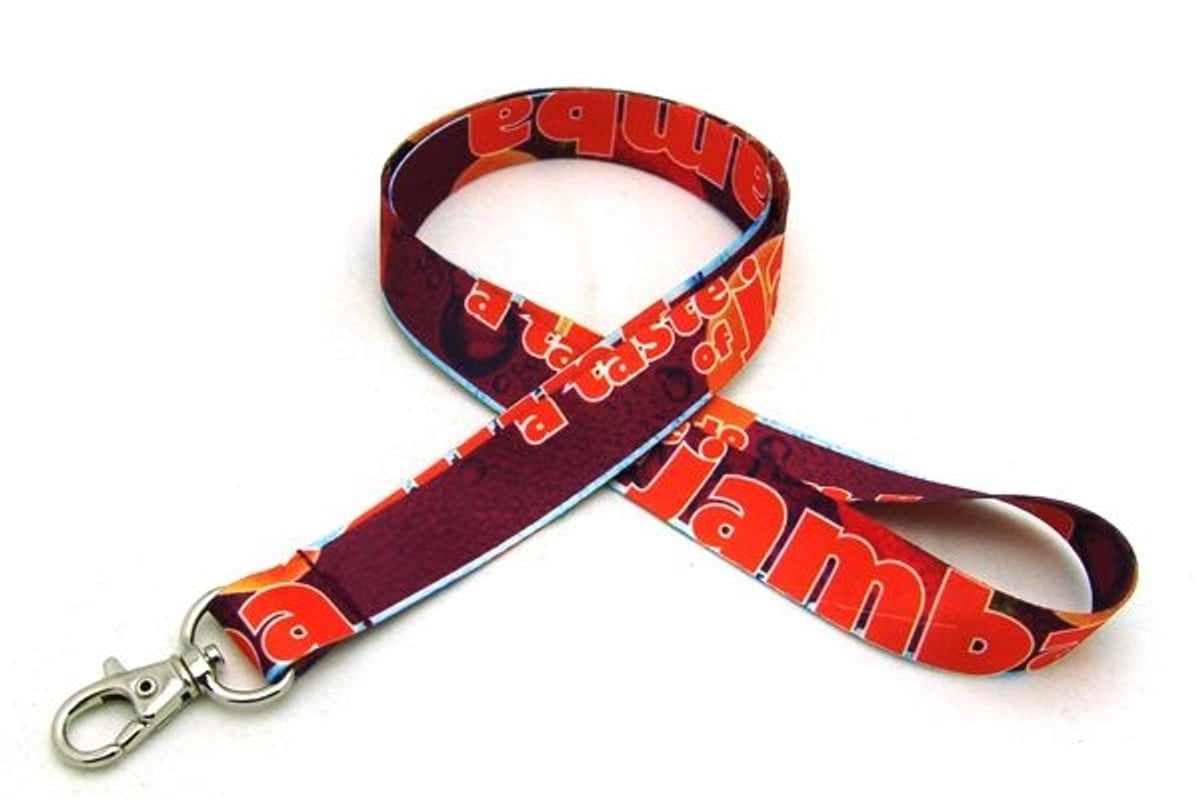
Many premium items actually work beautifully in small quantities. A Digitally Sublimated Lanyard with Deluxe Swivel Hook offers full-color customization that looks spectacular whether you order 10 or 1,000 units. The digital sublimation process doesn't require setup plates or screens, meaning small runs achieve the same vibrant results as large orders.
Matching Products to Quantity Strategies
Some promotional products naturally align better with no-minimum strategies. Understanding these matches helps you make smarter selections.
| Product Category | No-Minimum Suitability | Best Use Cases |
|---|---|---|
| Digital print apparel | Excellent | Event-specific designs, test campaigns |
| Embroidered items | Good | Corporate gifts, team recognition |
| Tech accessories | Excellent | Trade shows, executive gifts |
| Custom notebooks | Excellent | Workshops, training sessions |
| Drinkware | Good to Excellent | Client appreciation, employee onboarding |
| Writing instruments | Variable | Depends on decoration method |
Strategic Advantages Beyond Flexibility
The benefits of promo items no minimum ordering extend well beyond simple flexibility and cost savings. Savvy businesses leverage these advantages to create competitive differentiation and stronger customer connections.
Personalization at Scale
When you're not locked into massive quantities of identical items, you can pursue personalization strategies that were previously impossible. Consider these approaches:
- Individual names on corporate gifts for key clients
- Department-specific designs for different teams
- Event-dated merchandise that won't become obsolete
- Limited edition items that create collector appeal
A law firm might order 20 personalized leather portfolios for their top referral partners, each embossed with the recipient's name. That level of personalization creates memorable impact impossible with generic bulk items.
Reduced Waste and Environmental Impact
Sustainability matters increasingly to consumers and businesses alike. Eco-friendly promotional products gain even more environmental credibility when ordered in quantities matched to actual need.
Overproduction represents one of marketing's hidden environmental costs. Items ordered but never distributed eventually become waste, regardless of their recyclable materials. No-minimum ordering eliminates this waste by aligning production with distribution.
Responsive Marketing Capabilities
Markets move quickly in 2026. A viral trend, breaking news, or unexpected opportunity might require branded merchandise on short notice. Promo items no minimum orders enable responsive marketing that capitalizes on timely opportunities.
When a local sports team makes an unexpected championship run, a restaurant could quickly order 30 branded caps celebrating the moment. By the time a bulk order arrived weeks later, the moment would have passed.
Navigating Supplier Relationships for Small Orders
Working with promotional product suppliers on no-minimum orders requires a slightly different approach than traditional bulk purchasing. Understanding these dynamics helps you build productive partnerships that serve your business needs.
Questions to Ask Potential Suppliers
Not all suppliers offering "no minimum" services deliver equal value or capabilities. Promotional products companies vary significantly in their small-order expertise. Vet potential partners with these questions:
- What's your typical turnaround time for small-quantity orders?
- Do pricing structures penalize smaller orders disproportionately?
- Which decoration methods work best for my quantity range?
- Can you provide samples before committing to production?
- What's your process for rush orders when needed?
The answers reveal whether a supplier genuinely supports no-minimum ordering or merely tolerates it. Look for partners who understand small-order dynamics and build systems to serve them efficiently.
Understanding True Costs
Promo items no minimum pricing works differently than bulk orders. Rather than achieving lower per-unit costs through volume, you're paying for flexibility, responsiveness, and eliminated waste. That's a different value proposition requiring different evaluation criteria.
Compare total costs, not just unit prices:
A bulk order might offer £2 per unit for 500 items (£1,000 total) whilst a no-minimum supplier charges £4 per unit for 100 items (£400 total). The unit cost is higher, but you've saved £600 in total spending and eliminated 400 items you didn't need.

Building a No-Minimum Promotional Strategy
Successfully integrating promo items no minimum ordering into your overall marketing strategy requires intentional planning. Random small orders won't deliver the same results as a coordinated approach that leverages flexibility strategically.
Quarterly Planning Framework
Organize your promotional product strategy in quarterly cycles, allowing for seasonal adjustments whilst maintaining strategic coherence:
Quarter 1 (January-March):
- Review previous year's promotional product performance
- Identify upcoming events and opportunities
- Order test quantities for new product ideas
- Finalize designs for Q2 campaigns
Quarter 2 (April-June):
- Scale up successful test items from Q1
- Order event-specific items based on confirmed attendance
- Launch seasonal products aligned with business cycles
- Gather feedback on distributed items
Quarter 3 (July-September):
- Refresh inventory based on usage patterns
- Order items for autumn events and trade shows
- Test holiday gift options in small quantities
- Plan year-end appreciation gifts
Quarter 4 (October-December):
- Execute holiday promotional strategies
- Order personalized client gifts
- Review annual promotional product performance
- Plan following year's approach
Integrating With Broader Marketing Efforts
Promotional products work best as part of integrated marketing campaigns, not standalone tactics. No-minimum ordering makes this integration easier by allowing precise alignment between promotional items and other marketing activities.
When launching a social media campaign, order promotional products in quantities matching your influencer outreach list. Planning a content series? Time promotional product distribution to coincide with key publication dates. The flexibility of no-minimum ordering lets promotional products support and amplify other marketing investments.
Product Categories That Excel With No-Minimum Orders
Whilst nearly any promotional product can be ordered in small quantities with the right supplier, certain categories particularly shine in no-minimum scenarios. Understanding these sweet spots helps you select products that deliver maximum impact relative to investment.
Apparel and Wearables
Custom apparel represents one of the strongest categories for no-minimum promotional strategies. Modern decoration technologies, particularly direct-to-garment printing and heat transfer methods, produce exceptional quality regardless of order size.
Corporate apparel for small teams, event-specific designs, or test campaigns all benefit from no-minimum flexibility. You can order exactly the sizes needed without being forced into size run minimums that leave you with unwanted stock.
Office and Desk Accessories
Professional audiences appreciate practical promotional products that enhance their work environment. Office items ordered in small quantities work perfectly for:
- Executive gifts for board members or key partners
- New employee welcome kits matching actual hiring
- Client meeting gifts for specific presentations
- Speaker appreciation for conference participants
Branded office products in small quantities demonstrate thoughtfulness whilst avoiding the impersonal feel of mass-distributed items.
Technology Accessories
Tech accessories align naturally with no-minimum strategies. These higher-value items suit targeted distribution better than mass giveaways. Phone accessories, USB drives, wireless chargers, and similar products deliver strong perceived value in small quantities.
The target audience for tech accessories often skews toward specific demographics or job functions. Precision ordering ensures these valuable items reach people who'll actually use them, maximizing return on investment.
Common Mistakes to Avoid
Even with the flexibility of promo items no minimum ordering, businesses can stumble into predictable pitfalls. Awareness of these common mistakes helps you navigate more successfully.
Mistake 1: Confusing Low Minimum With No Minimum
Some suppliers advertise "low minimums" of 50 or 25 units, marketing this as flexibility. For many business scenarios, that's still far too many. True no-minimum suppliers can handle orders of 10, 5, or even single units when needed.
Read the fine print and ask explicitly about the actual minimum quantity before committing to a supplier relationship.
Mistake 2: Sacrificing Brand Standards for Convenience
Small order flexibility doesn't excuse poor quality or off-brand designs. Your guide to choosing promotional products applies equally whether ordering 10 items or 10,000. Maintain brand standards, use high-resolution artwork, and select products that align with your brand positioning.
Mistake 3: Ignoring Lead Times
No-minimum doesn't automatically mean instant production. Digital printing and modern manufacturing are faster than traditional methods, but they still require production time. Plan ahead for events and deadlines, giving suppliers reasonable timeframes to deliver quality results.
Mistake 4: Overlooking Total Cost Considerations
Per-unit pricing tells only part of the story. Consider shipping costs, rush fees, and setup charges in your total cost calculation. Sometimes ordering slightly more units reduces per-unit costs enough to justify the extra quantity.
Cost comparison checklist:
- Base unit price
- Decoration setup fees
- Shipping and handling
- Rush charges (if applicable)
- Storage costs for unused items
- Opportunity cost of tied-up capital
Seasonal and Event-Based Opportunities
The calendar creates natural rhythms for promotional product needs. No-minimum ordering lets you capitalize on seasonal opportunities without the burden of year-round inventory storage.
Trade Shows and Conferences
Industry events offer concentrated opportunities to connect with target audiences. Event giveaways work best when matched to confirmed booth traffic and specific attendee profiles.
Rather than ordering bulk items for hypothetical visitors, order based on pre-show intelligence:
- Confirmed meeting appointments
- Speaking engagement attendance estimates
- VIP reception guest lists
- Competitor booth traffic from previous years
Holiday Gifting Strategies
Year-end appreciation gifts represent significant opportunities for businesses. The challenge lies in matching gift quality and quantity to different recipient tiers without massive inventory.
A tiered approach works brilliantly with no-minimum flexibility:
| Recipient Tier | Gift Value | Typical Quantity | Product Examples |
|---|---|---|---|
| Key clients | £25-50 | 10-20 | Premium drinkware, tech accessories |
| Regular clients | £10-20 | 30-50 | Quality office items, apparel |
| General contacts | £5-10 | 50-100 | Notebooks, pens, small accessories |
Order each tier separately, choosing products and decoration methods appropriate to the quantity and value point. This targeted approach delivers better results than one-size-fits-all bulk gifting.
Community and Sponsorship Events
Local sponsorships and community involvement create goodwill whilst building brand awareness. These events typically involve modest quantities perfectly suited to no-minimum ordering.
When sponsoring a charity run with 40 participants, order 50 branded items. Supporting a school event with 25 volunteers? Order 30. The precision match between need and order eliminates waste whilst demonstrating community commitment.
The Future of Promotional Product Ordering
Industry trends point toward continued growth in flexible, on-demand promotional product ordering. Technology advances make small-run production increasingly economical, whilst business demands for agility and sustainability drive preference for right-sized orders.
Digital Manufacturing Advances
3D printing, advanced digital decoration methods, and automated production systems continue reducing the economic advantages of bulk manufacturing. These technologies lower setup costs whilst maintaining quality, making small orders as profitable for suppliers as large runs once were.
Sustainability Pressures
Environmental consciousness isn't a passing trend. Research shows promotional products deliver lasting brand exposure, but that value diminishes if products end up in landfills. No-minimum ordering supports sustainability by eliminating overproduction and reducing waste.
Businesses increasingly face pressure from customers, employees, and stakeholders to demonstrate environmental responsibility. Ordering promotional products in quantities matched to actual distribution represents tangible sustainability action.
Personalization Technology
Advances in variable data printing and decoration enable cost-effective personalization even in small quantities. This trend favors no-minimum approaches, as personalized items inherently require flexible production capabilities.
Imagine ordering 15 unique promotional items, each featuring different recipient names, departments, or messages. Modern technology makes this achievable at reasonable costs, creating unprecedented opportunities for meaningful connections.
Making the Transition to No-Minimum Thinking
If your business has traditionally ordered promotional products in bulk, shifting to a no-minimum mindset requires some adjustment. The transition involves changing how you plan, budget, and evaluate promotional product investments.
Rethinking Budget Allocation
Traditional promotional product budgeting often allocated annual lump sums toward one or two large orders. No-minimum strategies work better with distributed budgets that allow multiple smaller orders throughout the year.
Consider reallocating your promotional product budget from annual bulk purchases to quarterly or even monthly allocations. This approach provides flexibility to respond to opportunities whilst maintaining spending discipline.
Building Supplier Relationships
The supplier relationship dynamic shifts when ordering smaller quantities more frequently. Rather than placing one large order annually, you're engaging regularly with shorter lead times and evolving needs.
Look for promotional products suppliers who value ongoing relationships over transaction size. The best partners view frequent small orders as preferable to occasional large ones, recognizing the steady business and relationship depth this creates.
Measuring Success Differently
Bulk ordering success metrics focused on unit costs and volume discounts. No-minimum strategies require different success measures:
- Distribution rate: What percentage of ordered items are actually distributed?
- Relevance score: How well do items match recipient needs and preferences?
- Waste reduction: How much storage and obsolescence has been eliminated?
- Marketing agility: How quickly can you respond to opportunities?
- Personalization depth: How targeted and individualized are your promotional efforts?
These metrics better capture the strategic value of flexible ordering versus simple cost-per-unit calculations.
Practical Implementation Steps
Moving from concept to execution with promo items no minimum strategies requires methodical planning. These implementation steps help businesses successfully integrate flexible ordering into their marketing operations.
Step 1: Audit Current Promotional Product Inventory
Before changing your approach, understand your current situation. Inventory existing promotional products, noting:
- Total items in storage
- Items older than 12 months
- Items with outdated information (old phone numbers, addresses)
- Total value tied up in inventory
This audit often reveals substantial waste and tied-up capital, building the business case for no-minimum ordering.
Step 2: Identify Ideal No-Minimum Scenarios
Review your marketing calendar and identify situations where no-minimum ordering provides clear advantages:
- Events with confirmed attendance numbers
- New hire onboarding (matching actual hiring rates)
- Client appreciation (specific recipient lists)
- Test marketing campaigns
- Seasonal promotions with uncertain demand
Step 3: Research and Vet Suppliers
Not all suppliers claiming to offer no-minimum services deliver equal capabilities. Research options, request samples, and compare:
- Actual minimum quantities (some "no minimum" claims have asterisks)
- Turnaround times for small orders
- Pricing transparency and competitiveness
- Product range and quality standards
- Customer service responsiveness
Step 4: Start With Test Orders
Begin your no-minimum journey with small test orders before committing to major campaigns. This allows you to:
- Evaluate supplier performance and quality
- Test different products with target audiences
- Refine ordering and distribution processes
- Build confidence in the no-minimum approach
Step 5: Scale Successful Strategies
Once you've identified products, suppliers, and approaches that work, scale strategically. Maintain the flexibility of no-minimum ordering whilst developing efficient processes for regular reorders.
Promo items no minimum ordering represents more than just purchasing flexibility; it's a strategic approach that aligns promotional products with modern business realities. By matching quantities to actual needs, testing before scaling, and eliminating waste, businesses create smarter, more sustainable promotional strategies that deliver better results with less risk. Whether you're launching a startup, running targeted campaigns, or simply want promotional products that work harder for your investment, The Promo Hut brings expertise in right-sized promotional solutions across Canada, helping businesses from Edmonton to coast-to-coast find the perfect branded merchandise without the burden of unnecessary minimums.