
Branded promo merchandise has evolved from simple corporate giveaways into a sophisticated marketing channel that drives measurable business results. In 2026, companies across Canada are discovering that thoughtfully selected promotional products create emotional connections, reinforce brand values, and generate impressive returns on investment. With the North American promotional products industry reaching a record $27.7 billion, businesses are recognizing these tangible brand touchpoints as essential components of integrated marketing strategies. Whether you're planning your first promotional campaign or refining an established program, understanding how to leverage branded promo merchandise effectively separates memorable brands from forgettable ones.
Why Branded Promo Merchandise Works in 2026
The effectiveness of branded promo merchandise stems from fundamental human psychology. Physical products create lasting impressions that digital ads simply cannot match. When someone uses your branded water bottle at the gym or wears your company jacket during their morning commute, you're occupying valuable mental real estate.
The tangible advantage matters more than ever. In our screen-saturated world, physical items stand out. Research consistently shows that promotional products generate higher brand recall than digital advertising, with recipients keeping useful items for months or even years.
Consider the typical customer journey today. Someone might see dozens of digital ads daily, but they'll remember the high-quality notebook they received at a trade show because they use it weekly. That repeated exposure builds familiarity, trust, and preference over time.
The Science Behind Promotional Impact
Branded promo merchandise activates multiple senses simultaneously. Recipients touch, see, and use these products, creating stronger neural pathways than passive advertising channels. This multisensory engagement translates into better brand recognition and positive associations.
The practical utility factor amplifies this effect. When your promotional product solves a real problem or enhances daily life, recipients develop genuine appreciation for your brand. This goodwill extends beyond the product itself to influence purchasing decisions and brand loyalty.
| Advertising Channel | Average Recall Rate | Cost Per Impression | Longevity |
|---|---|---|---|
| Promotional Products | 85% | $0.004 | 6-24 months |
| Digital Display Ads | 12% | $0.50 | Seconds |
| Social Media Ads | 18% | $0.25 | Minutes |
| Print Ads | 25% | $0.15 | Days |
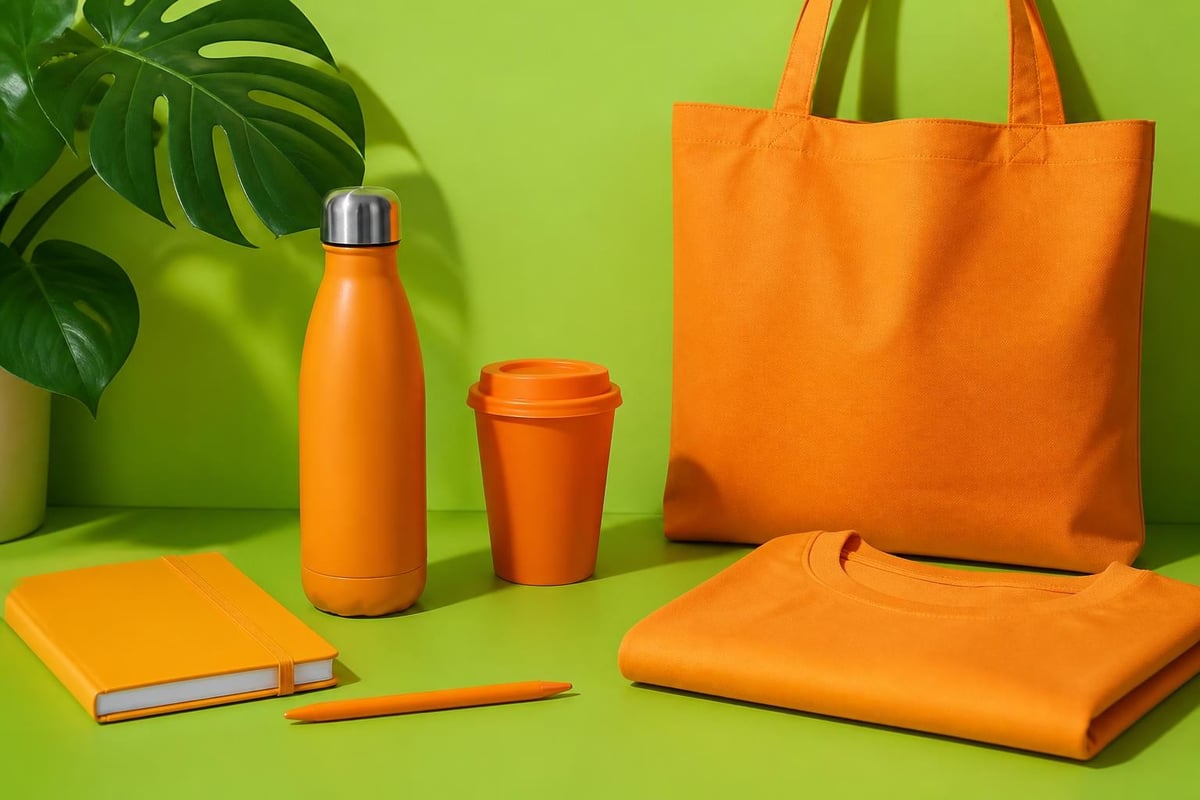
Strategic Product Selection That Drives Results
Choosing the right branded promo merchandise requires understanding your audience, objectives, and brand positioning. The most successful campaigns align product selection with specific marketing goals rather than defaulting to generic options.
Quality over quantity transforms campaign outcomes. One premium item that recipients genuinely love will outperform ten cheap products that end up in the bin. This principle has become even more critical as sustainability concerns influence consumer perceptions.
Consider your target audience's daily routines and pain points. Corporate professionals value different products than outdoor enthusiasts or university students. Age demographics, lifestyle patterns, and industry sectors all influence which promotional items will resonate most effectively.
Matching Products to Marketing Objectives
Different business goals demand different merchandise approaches. Event giveaways prioritize memorable impact and conversation starters. Employee recognition programs focus on perceived value and emotional connection. Customer retention campaigns select products that reinforce ongoing relationships.
When building brand awareness, visibility matters most. Choose items people use in public settings where others will see your logo. For customer appreciation, focus on premium quality that communicates respect and gratitude.
Trade show strategies benefit from compact, high-value items that attendees want to carry home. Promotional products for events require careful consideration of portability, uniqueness, and immediate appeal.
Budget allocation deserves strategic thinking. Rather than spreading resources across maximum quantity, invest in fewer pieces that deliver genuine value. Recipients remember the quality long after they've forgotten the quantity.
- Brand Awareness Campaigns: Wearables, drinkware, bags with prominent logo placement
- Customer Retention: Premium desk accessories, tech products, quality apparel
- Event Marketing: Unique conversation pieces, limited editions, interactive items
- Employee Engagement: Personalized gifts, wellness products, experience-based rewards
- Lead Generation: Useful tools, educational materials, problem-solving products
Current Trends Shaping Promotional Merchandise
The branded promo merchandise landscape continues evolving rapidly. Industry trends for 2026 reveal significant shifts in buyer preferences, sustainability expectations, and product categories.
Sustainability has moved from nice-to-have to essential requirement. Today's recipients evaluate promotional products through an environmental lens, questioning materials, manufacturing processes, and end-of-life disposal. Brands that ignore these concerns risk negative associations that undermine campaign effectiveness.
Tech integration represents another major trend. Smart products, connectivity features, and digital-physical hybrid experiences create new opportunities for engagement. However, technology must enhance utility rather than serving as gimmick.
The Sustainability Imperative
Environmental responsibility now influences every aspect of promotional merchandise selection. Recipients increasingly prefer eco-friendly promotional products made from recycled materials, renewable resources, or biodegradable components.
This shift extends beyond materials to encompass entire product lifecycles. How was it manufactured? What's the carbon footprint? Can it be recycled or composted? These questions shape purchasing decisions across all demographics, but particularly among younger professionals.
According to recent industry analysis, sustainable products have normalized as standard expectations rather than premium alternatives. Businesses that continue offering conventional plastic items without sustainable options risk appearing out of touch.
Quality and Longevity Over Disposable Options
The disposable culture is fading fast. Recipients want products they'll use repeatedly over months or years. This preference aligns perfectly with marketing objectives because extended use means extended brand exposure.
Premium branded promo merchandise commands higher perceived value, which translates into stronger emotional connections with your brand. When someone receives a beautifully crafted item, they associate that quality with your company's standards and values.
Durable construction, thoughtful design, and genuine utility separate memorable promotional campaigns from forgettable ones. Consider the difference between a flimsy pen that stops working after two weeks versus a quality writing instrument someone treasures for years.
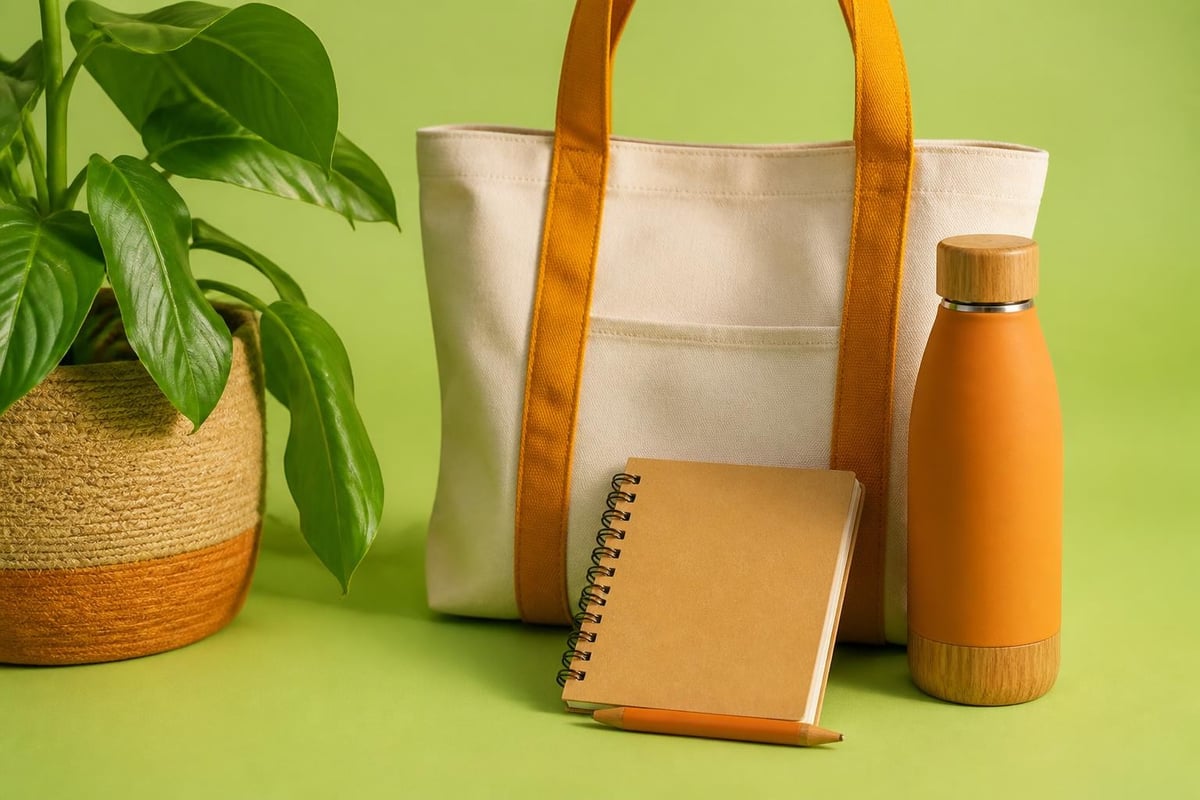
Building Your Promotional Merchandise Strategy
Effective campaigns begin with clear objectives and detailed audience insights. Before selecting specific products, define what success looks like. Are you measuring brand awareness, lead generation, customer retention, or employee satisfaction?
Audience research prevents costly mistakes. Survey existing customers, interview sales teams, and analyze demographic data to understand preferences, lifestyles, and values. This intelligence guides product selection toward items that resonate authentically.
Timeline planning ensures adequate production and delivery windows. Custom branded promo merchandise typically requires 3-6 weeks from order to delivery, with complex projects needing even longer. Factor in design approvals, sample reviews, and potential revisions.
Campaign Integration and Consistency
Promotional merchandise works best when integrated within broader marketing initiatives. Align your product selection, branding, and messaging with simultaneous digital campaigns, event themes, or seasonal promotions.
Visual consistency across all touchpoints reinforces brand recognition. Your promotional products should reflect the same colour palette, design aesthetic, and messaging as your website, social media, and traditional advertising.
Distribution strategy impacts campaign effectiveness significantly. Will you mail products directly, distribute at events, include with purchases, or use as sales incentives? Each approach requires different product characteristics and packaging considerations.
- Define clear campaign objectives with measurable success metrics
- Research audience preferences through surveys and demographic analysis
- Establish realistic budgets balancing quality with quantity
- Select products strategically matching audience needs and campaign goals
- Design compelling branding that enhances rather than overwhelms
- Plan distribution logistics ensuring timely delivery to target recipients
- Measure campaign results tracking engagement and ROI
Maximizing ROI Through Smart Merchandising
Budget efficiency drives long-term program sustainability. Smart buyers evaluate total campaign value rather than per-unit costs alone. A $15 product that generates 500 impressions over 18 months delivers better ROI than a $3 item discarded within days.
Cost-per-impression calculations reveal true value. Calculate how many times your branded product will be seen by the recipient and others. Wearables and drinkware typically generate thousands of impressions, while desk items reach smaller but more focused audiences.
Bulk ordering reduces per-unit costs significantly, but only when you'll actually use the inventory. Ordering 5,000 units you can't distribute wastes more money than ordering 1,000 at slightly higher unit costs. When exploring custom logo products, balance volume discounts against realistic distribution timelines.
Design Considerations That Matter
Logo placement, size, and treatment dramatically impact perceived quality. Oversized, poorly positioned branding can make premium products look cheap. Subtle, thoughtful logo integration enhances sophistication while maintaining brand visibility.
Colour selection affects both aesthetic appeal and production costs. Standard product colours typically cost less than custom Pantone matching, but brand consistency may justify the premium. Consider which products demand exact colour matches versus those where close approximations work fine.
Typography and graphic elements should remain legible at small scales. What looks perfect on your computer screen may become muddled when printed on a pen or embroidered on a jacket. Always review physical samples before approving large production runs.
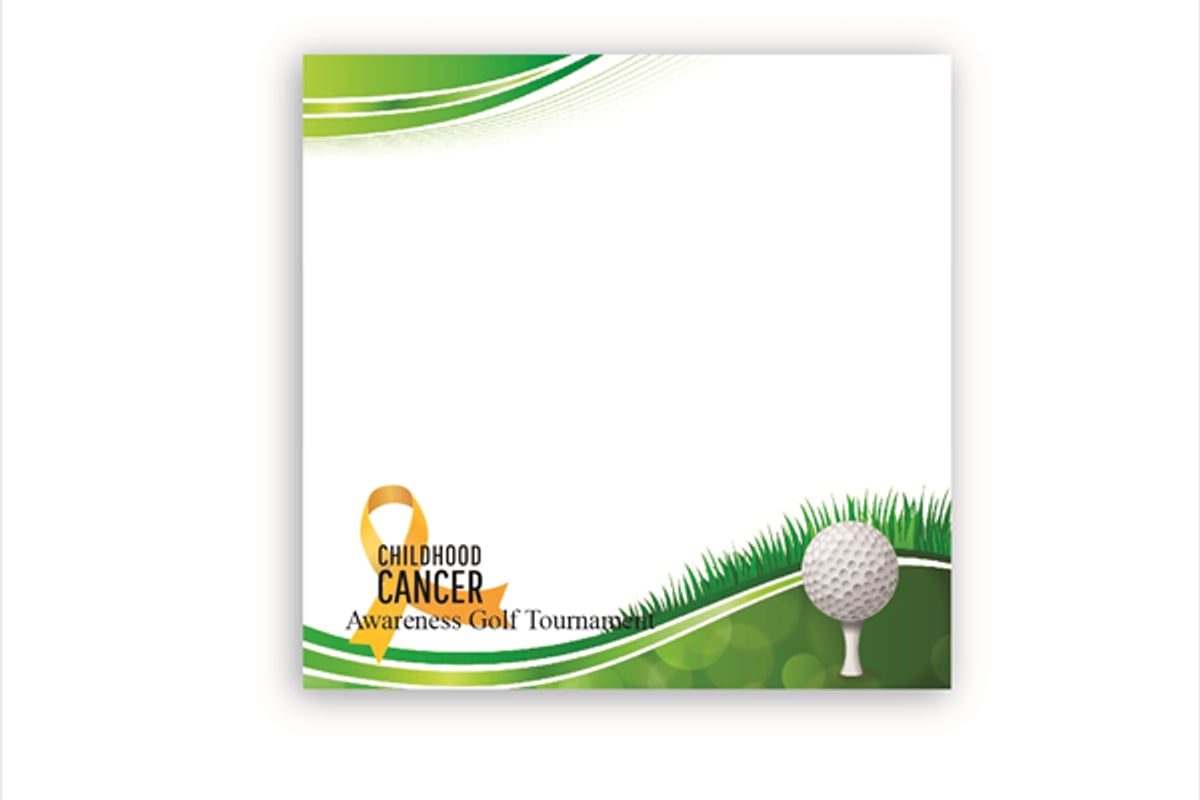
For office environments specifically, products that enhance workspace functionality generate consistent daily exposure. Branded office products like premium notebooks, desk organizers, or quality writing instruments create professional impressions while serving genuine purposes. Items like Post-it® Custom Printed Notepads combine practical utility with vibrant full-colour branding that keeps your company visible throughout the workday.
Product Categories With Proven Performance
Certain promotional product categories consistently deliver strong results across industries and demographics. Understanding these reliable performers helps build campaigns with predictable outcomes while leaving room for creative differentiation.
Apparel remains the promotional merchandise king. Wearables generate extensive impressions because people use them repeatedly in public settings. Quality matters enormously here, as recipients make judgements about your brand based on fabric, fit, and construction quality.
Drinkware enjoys similar advantages with the added benefit of daily use. Reusable water bottles and insulated tumblers align with sustainability values while serving genuine needs. The average quality drinkware item generates over 1,400 impressions during its lifetime.
Technology and Innovation Products
Tech accessories address universal needs in our connected world. Phone chargers, cable organizers, and device stands solve real problems while keeping your brand literally in hand. These products typically command higher perceived values despite reasonable actual costs.
However, technology moves quickly. Avoid products tied to specific device models or connection standards that may become obsolete. Universal solutions with broad compatibility deliver longer useful lifespans.
Innovation doesn't require complex electronics. Simple design improvements to everyday items create memorable differentiation. Unique opening mechanisms, unexpected material combinations, or multi-functional features generate conversation and interest.
| Product Category | Average Lifespan | Impressions Per Month | Best Use Cases |
|---|---|---|---|
| Apparel | 14 months | 120 | Brand awareness, employee gifts |
| Drinkware | 12 months | 110 | Everyday reminders, wellness programs |
| Bags | 11 months | 95 | Trade shows, customer appreciation |
| Writing Instruments | 9 months | 85 | Professional settings, sales tools |
| Tech Accessories | 18 months | 140 | High-value gifts, executive programs |
Seasonal and Event-Specific Opportunities
Strategic timing amplifies promotional merchandise impact. Seasonal campaigns tap into existing mindsets and activities, making your branded products more relevant and welcome.
Summer months favour outdoor products like branded beach gear, sunscreen, and portable coolers. Winter campaigns benefit from warm apparel, hot beverage containers, and cozy accessories. Alignment with seasonal needs ensures recipients actually use your products rather than storing them away.
Event-specific merchandise creates urgency and exclusivity. Limited-edition items commemorating conferences, product launches, or milestone celebrations become collectibles that recipients value beyond typical promotional products.
Holiday Campaign Excellence
Year-end gifting represents significant opportunity for branded promo merchandise. Recipients expect quality during holiday seasons, making this the ideal time for premium products that might exceed typical campaign budgets.
Cultural sensitivity matters increasingly in diverse markets. Consider which holidays your audience celebrates and respect various traditions. Generic seasonal themes often work better than specific holiday references when serving broad audiences.
Planning timelines extend even further for holiday campaigns. Start designing autumn campaigns in spring, and plan winter initiatives during summer. Production delays and shipping challenges multiply during peak seasons.
Trade show success requires different thinking. Attendees collect dozens of promotional items, so yours must stand out immediately. Consider how products look in show bags, whether they're comfortable to carry, and if they'll survive the journey home. Explore unique promo items that create genuine differentiation in crowded exhibition halls.
Measuring Campaign Success and ROI
Data-driven decisions improve promotional merchandise effectiveness over time. Establish measurement frameworks before launching campaigns so you can track relevant metrics consistently.
Direct attribution can be challenging with promotional products, but various techniques provide valuable insights. Unique URLs, QR codes, or promotional codes printed on items enable tracking recipient actions. Survey mechanisms gather feedback on brand recall and sentiment.
Lifetime value calculations matter more than immediate conversions. Promotional merchandise builds relationships that may not yield immediate sales but increase customer lifetime value through enhanced loyalty and preference.
Compare campaign costs against achieved outcomes. If your branded promo merchandise campaign cost $5,000 and generated 15 qualified leads that produced $50,000 in revenue, your ROI is clear. Track both short-term and long-term results to understand full impact.
Key Performance Indicators Worth Tracking
Brand awareness campaigns measure reach, impressions, and recall rates. Survey recipients asking where they first learned about your company and whether they remember your promotional product. Compare awareness levels before and after distribution.
Lead generation programs track conversion rates from product recipients. How many people who received your promotional item subsequently visited your website, requested information, or made purchases? Attribution windows should extend several months for accurate assessment.
- Distribution completion rate: Percentage of products successfully delivered to targets
- Recipient engagement: Surveys measuring product use frequency and satisfaction
- Brand recall: Percentage of recipients who remember your company weeks later
- Website traffic: Unique visitors from promotional campaign URLs or QR codes
- Social sharing: User-generated content featuring your branded merchandise
- Lead conversion: Recipients who become qualified prospects or customers
- Customer retention: Repeat purchase rates among promotional product recipients
Common Mistakes to Avoid
Even experienced marketers stumble with promotional merchandise campaigns. Recognizing these pitfalls helps you sidestep expensive mistakes and improve campaign performance.
Choosing products you like rather than what recipients want represents the most common error. Your personal preferences matter far less than audience needs and values. Base decisions on research and insights, not executive opinions.
Sacrificing quality to maximize quantity rarely pays off. Recipients judge your brand by product quality, and cheap items communicate the wrong message. Better to give 100 people something they'll treasure than 500 people something they'll discard.
Inconsistent branding confuses audiences and weakens recognition. Ensure your promotional products reflect established brand guidelines regarding colours, logos, and messaging. Random deviations undermine the cumulative recognition you've built across other channels.
Design and Production Pitfalls
Rushing timelines forces compromises on quality, design, and product selection. Start planning months before you need products in hand. This buffer accommodates unexpected delays, allows proper sample review, and reduces stress throughout the process.
Skipping samples before full production invites disaster. Colours may not match expectations, sizing might run differently than anticipated, or print quality could disappoint. Always review physical samples and approve them explicitly before authorizing large production runs.
Overcomplicating designs reduces effectiveness. Simple, clean branding typically outperforms busy layouts with multiple messages. Your logo and perhaps one tagline usually suffices. Save detailed information for accompanying materials rather than cramming it onto the product itself.
Building Long-Term Merchandise Programs
Sustainable promotional strategies extend beyond individual campaigns. Progressive companies develop ongoing branded promo merchandise programs that reinforce brand presence consistently throughout the year.
Program thinking beats campaign thinking. Rather than starting from scratch each time, establish frameworks for recurring initiatives. Standard product lines, pre-approved designs, and predictable budgets streamline execution while maintaining quality and consistency.
Inventory management becomes crucial for ongoing programs. Maintain stock of frequently used items while avoiding overcommitment to products with limited shelf life or seasonal relevance. Cloud-based management systems help track inventory, reorder points, and usage patterns.
Supplier relationships deepen with program approaches. When vendors understand your brand standards, preferences, and objectives, they provide better service and proactive recommendations. Consistency also enables volume discounts and priority treatment during peak periods.
Building successful promotional merchandise programs requires expertise, product knowledge, and reliable partnerships. Companies throughout Canada are discovering that working with specialists who understand both marketing strategy and product capabilities delivers superior results compared to generic suppliers.
Branded promo merchandise represents a powerful marketing channel when executed strategically with quality products that align with audience values and business objectives. The most successful campaigns combine thorough audience research, thoughtful product selection, and consistent brand integration to create tangible touchpoints that drive measurable business results. Whether you're planning your first promotional campaign or refining an established program, The Promo Hut brings extensive product knowledge and personalized service to help Canadian businesses enhance brand visibility through high-quality branded merchandise, promotional products, and custom solutions that truly connect with your audience.