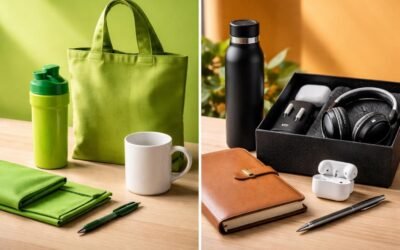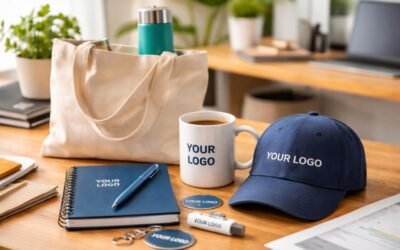
Custom logo products have evolved from simple promotional giveaways into sophisticated marketing tools that drive brand recognition, foster customer loyalty, and create lasting impressions. Whether you're launching a new business, attending a trade show, or rewarding loyal customers, the right branded merchandise can amplify your message far beyond traditional advertising. The key lies in understanding which products work best for your audience, how to apply your branding effectively, and what design principles will make your logo memorable on everything from coffee mugs to corporate apparel.
Understanding the Power of Custom Logo Products
Branded merchandise serves as a tangible connection between your business and your audience. Unlike digital ads that disappear with a scroll or print materials that end up in recycling bins, custom logo products stay in people's lives. A well-designed branded pen sits on a desk for months, a quality tote bag accompanies someone to the shops weekly, and a comfortable hoodie becomes part of their regular wardrobe.
The psychological impact runs deeper than mere visibility. When someone uses your branded product, they're actively engaging with your brand in their daily routine. This repeated exposure builds familiarity and trust, two essential elements in converting prospects into customers. Research shows that dynamic logo designs can significantly influence market performance, particularly when matched appropriately to the type of product.
Key benefits of custom logo products include:
- Increased brand recall through repeated daily exposure
- Cost-effective marketing with long-term visibility
- Enhanced customer loyalty and appreciation
- Professional image at events and in business settings
- Practical utility that recipients genuinely value
Selecting the Right Products for Your Brand
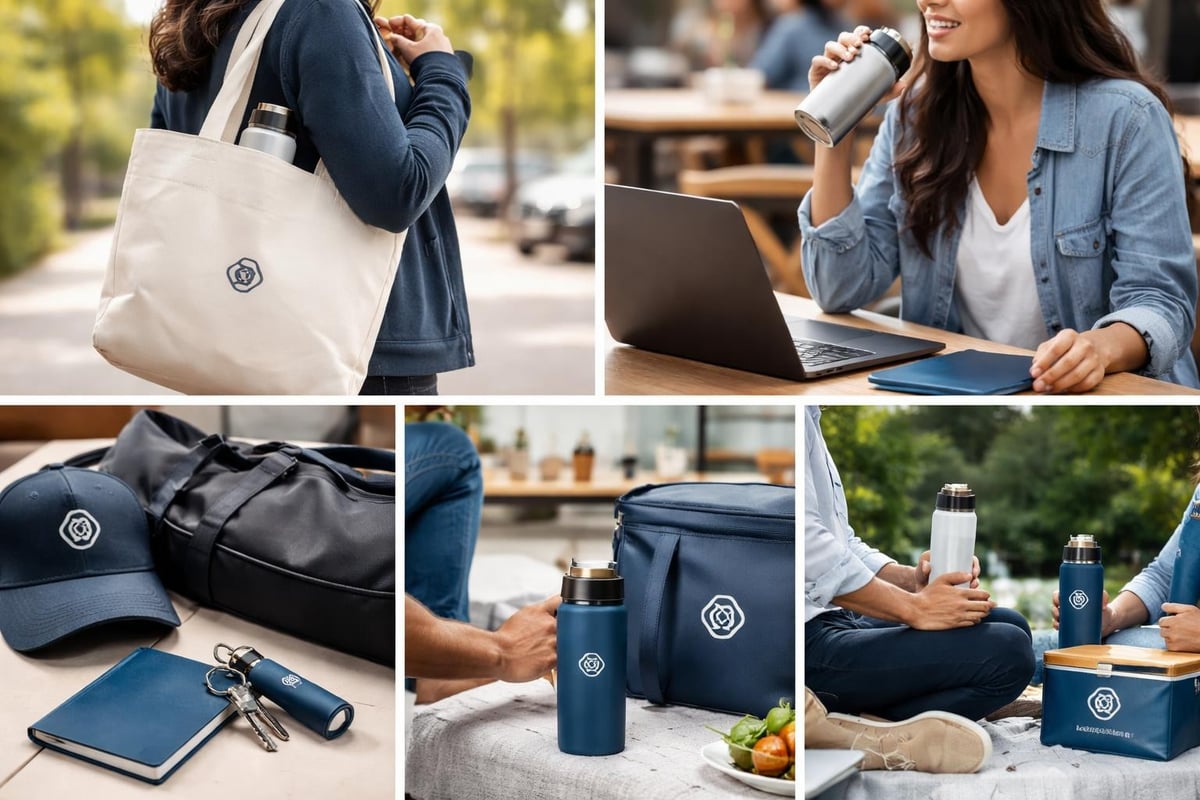
Not all custom logo products deliver equal value. The most effective promotional merchandise aligns with your brand identity, resonates with your target audience, and offers genuine utility. A tech company might focus on USB drives and wireless chargers, whilst a fitness brand would lean towards water bottles and gym bags.
Matching Products to Your Audience
Start by considering who will receive these items. Corporate clients appreciate branded office products like premium notebooks, desk accessories, and quality writing instruments. Event attendees value portable items such as tote bags, lanyards, and phone accessories. Employees wear corporate apparel with pride when the quality matches their expectations.
Consider the environment where your products will be used. Trade show giveaways need to be lightweight and portable. Client gifts should reflect premium quality. Staff uniforms require durability and comfort. Each context demands different product choices.
| Product Category | Best For | Typical Usage Duration | Brand Visibility |
|---|---|---|---|
| Apparel | Employees, loyal customers | 1-3 years | High (public wearing) |
| Drinkware | General promotion, events | 6 months – 2 years | Medium (office/home) |
| Tech accessories | Corporate gifts, trade shows | 1-2 years | Medium (daily use) |
| Bags | Events, retail promotions | 1-3 years | High (public carrying) |
| Office supplies | Corporate clients, employees | 3-12 months | Low to Medium |
Quality Over Quantity
The temptation to order inexpensive items in bulk often backfires. A cheaply made product that breaks after first use does more harm than good, associating your brand with poor quality. Conversely, a well-crafted item that lasts for years keeps your brand top-of-mind whilst building positive associations.
Consider the perceived value of your products. Custom promotional items sourced locally often offer better quality control and faster turnaround times. Canadian businesses particularly appreciate the ability to work with suppliers who understand regional preferences and seasonal needs.
Design Principles for Effective Logo Placement
Your logo is the star of custom logo products, but how you apply it determines whether it becomes a memorable brand asset or visual clutter. Strategic placement, appropriate sizing, and colour considerations all play crucial roles in creating effective branded merchandise.
Logo Size and Positioning
Bigger isn't always better. Your logo needs breathing room to make an impact without overwhelming the product. On apparel, chest placement typically works well for polo shirts and jackets, whilst larger back prints suit t-shirts and hoodies. Drinkware offers multiple placement options, from wraparound designs to subtle single-side applications.
Best practices for logo placement emphasize balancing aesthetics with functionality. On bags, avoid placing logos where they'll be obscured by handles or wear away quickly from friction. On tech accessories, consider how the item is held or used, ensuring your branding remains visible during normal operation.
Effective logo placement guidelines:
- Ensure logos remain visible during typical product use
- Maintain proportional sizing relative to the product
- Allow adequate white space around the logo
- Consider multiple viewing angles for three-dimensional items
- Test placement mockups before committing to large orders
Colour Considerations
Your brand colours need to translate well across different materials and printing methods. A vibrant red that looks perfect on your website might appear dull on certain fabric blends or overwhelming on white ceramic mugs. Product label design principles apply equally to promotional products, emphasizing colour contrast and legibility.
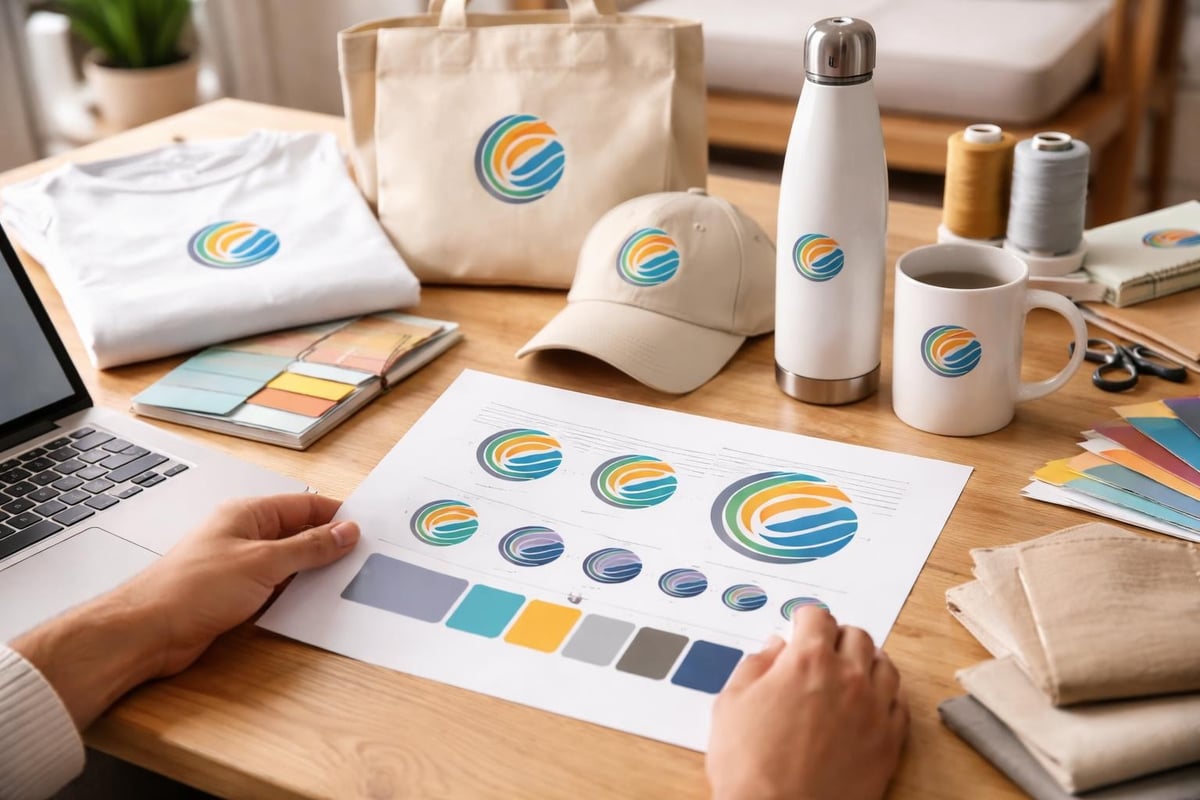
Work with your supplier to understand how different printing techniques affect colour reproduction. Screen printing offers vibrant, durable results for apparel and bags. Embroidery adds texture and premium feel but works better with simplified logo versions. Digital printing provides full-colour capability but may have durability limitations on high-wear items.
Creating Cohesive Brand Identity Across Products
Custom logo products work best as part of a coordinated branded merchandise strategy rather than random one-off purchases. Creating impactful custom branded products requires thinking about how different items work together to reinforce your brand identity.
Building Product Collections
Consider creating themed collections that serve specific purposes. An event kit might include a tote bag, water bottle, notebook, and pen, all featuring consistent branding. A welcome package for new employees could combine a branded hoodie, coffee mug, and desk accessories. These curated sets create stronger brand impressions than individual items distributed randomly.
Maintain visual consistency across your product range. Use the same logo version, colour palette, and design elements. This coherence makes your brand instantly recognizable whether someone sees your pen at a meeting or your tote bag at the supermarket.
Seasonal and Campaign-Specific Products
Don't overlook opportunities to create custom logo products tied to specific campaigns or seasons. Edmonton event giveaways might focus on winter-appropriate items like toques and insulated tumblers, whilst summer promotions could feature sunglasses and cooling towels. Limited edition products create urgency and collectability, encouraging recipients to acquire and use them promptly.
Logo Design Best Practices for Merchandise
Before you can create effective custom logo products, you need a logo that translates well across different applications. Many businesses discover too late that their intricate logo design doesn't work on small items or in single-colour applications.
Simplicity and Scalability
Logo design best practices emphasize simplicity and scalability. Your logo should remain recognizable whether it's embroidered on a shirt pocket or printed on the side of a pen. Complex details get lost in small applications, whilst overly simple designs may lack distinctiveness.
Test your logo at various sizes before ordering products. Print it at actual size for different applications: 2cm for pen imprints, 7cm for shirt chest placements, 15cm for tote bag prints. If details become muddy or the design loses impact, consider creating simplified versions for specific applications.
| Logo Element | Full Version | Simplified Version | Icon Version |
|---|---|---|---|
| Complexity | Full detail | Reduced elements | Symbol only |
| Best for | Large formats, signage | Standard products | Small items, favicons |
| Minimum size | 10cm+ | 5cm+ | 2cm+ |
| Applications | Banners, vehicles | Apparel, bags | Pens, small tech items |
Colour Variations
Prepare multiple colour versions of your logo. You'll need full colour, single colour (in your primary brand colour), black, white, and potentially reversed versions. Different products and printing methods require different versions. Effective logo design tips stress the importance of versatility across applications.
A logo that only works in full colour severely limits your product options and increases costs. Single-colour versions allow for affordable screen printing and embroidery whilst maintaining brand recognition.
Maximizing ROI from Custom Logo Products
Custom logo products represent an investment in your marketing efforts. Maximizing return requires strategic distribution, quality tracking, and integration with broader marketing initiatives.
Strategic Distribution Channels
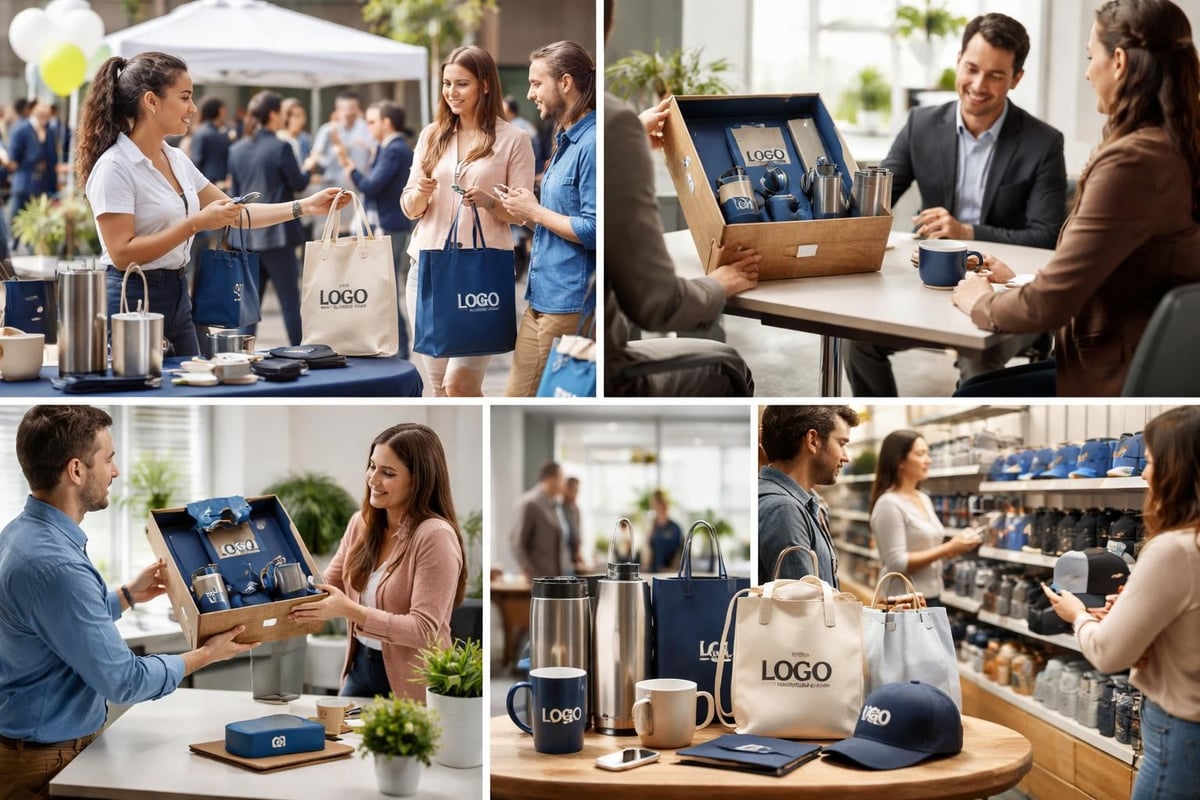
Simply having custom logo products isn't enough. You need a distribution strategy that puts them in the right hands at the right time. Trade shows and events offer face-to-face opportunities to connect products with prospects. Client appreciation programs strengthen existing relationships. Employee onboarding kits build internal brand loyalty.
Promotional products for events serve different purposes than items included in direct mail campaigns or retail purchases. Event products need immediate appeal and portability. Client gifts should reflect premium quality and thoughtfulness. Employee items require durability and comfort for regular use.
Measuring Impact
Track the effectiveness of your custom logo products through various metrics. Monitor website traffic spikes following event distributions. Include unique discount codes on product tags to track conversion. Survey recipients about their usage patterns and brand recall. This data helps refine future product selections and distribution strategies.
Consider the lifespan and impression potential of different items. A quality jacket might cost more per unit but generates thousands of impressions over multiple years of wear. Cheap novelties might seem economical but often end up discarded, wasting your investment entirely.
Sustainable and Eco-Friendly Options
Modern consumers increasingly value environmental responsibility. Eco-friendly promotional products not only reduce environmental impact but also align your brand with sustainability values that resonate with conscious consumers.
Material Choices Matter
Opt for products made from recycled materials, organic cotton, bamboo, or other sustainable sources. Reusable items like water bottles and shopping bags actively reduce single-use plastic consumption whilst promoting your brand. Biodegradable options ensure that even disposable items minimize environmental harm.
Popular sustainable custom logo products include:
- Organic cotton tote bags and apparel
- Recycled plastic water bottles and tumblers
- Bamboo pens and office accessories
- Seed paper notebooks and greeting cards
- Solar-powered tech accessories
- Reusable food containers and utensils
Sustainable products often command premium prices, but they communicate brand values that matter to environmentally conscious audiences. The investment reflects corporate responsibility whilst differentiating your brand from competitors using conventional products.
Certifications and Transparency
Look for products with recognized environmental certifications. Fair Trade, GOTS (Global Organic Textile Standard), and FSC (Forest Stewardship Council) certifications provide third-party verification of sustainability claims. Communicate these certifications to recipients, reinforcing your commitment to responsible business practices.
Working with Custom Logo Product Suppliers
Choosing the right supplier dramatically affects the quality, cost, and success of your custom logo products. Promotional items companies vary widely in capabilities, product selection, minimum orders, and service quality.
Evaluating Supplier Capabilities
Start by reviewing product catalogues and sample quality. Request physical samples before placing large orders, particularly for apparel and premium items. Assess printing or embroidery quality, material feel, and construction durability. Colour accuracy and logo clarity should meet professional standards.
Consider turnaround times and ordering flexibility. Rush orders always cost more, so plan campaigns well in advance. Some suppliers offer lower minimums for initial orders, allowing you to test products before committing to large quantities. Personalization best practices include offering preview tools and diverse product photography to help visualize final products.
- Request and evaluate physical product samples
- Review supplier portfolio and client testimonials
- Clarify minimum order quantities and pricing tiers
- Confirm turnaround times for design, production, and delivery
- Understand revision policies and quality guarantees
- Verify printing methods and colour matching capabilities
Building Long-Term Partnerships
Rather than shopping solely on price, seek suppliers who function as strategic partners. The best relationships involve consultation on product selection, design optimization, and distribution strategies. Suppliers familiar with your brand can streamline repeat orders and suggest new products that align with your marketing goals.
Local suppliers offer advantages including faster turnaround, easier communication, and the ability to review samples in person. Canadian businesses benefit from working with suppliers who understand regional preferences, seasonal demands, and local event calendars.
Compliance and Brand Guidelines
Professional brands maintain consistency through documented brand guidelines that extend to custom logo products. These standards ensure that regardless of who orders promotional items, they align with established brand identity.
Documenting Product Standards
Create clear guidelines covering logo usage, colour specifications, approved product categories, and quality thresholds. Specify which logo versions apply to different contexts. Define acceptable colour variations and material choices. Establish minimum quality standards that products must meet.
Include visual examples showing correct and incorrect applications. Demonstrate proper spacing around logos, appropriate sizing relative to products, and acceptable colour combinations. These guidelines prevent well-intentioned team members from creating off-brand products.
Approval Processes
Implement approval workflows for custom logo products, particularly in larger organizations. Centralize ordering through marketing or brand management teams who ensure compliance with guidelines. This oversight maintains consistency whilst preventing duplicative or contradictory product orders across departments.
Digital approval systems streamline this process, allowing stakeholders to review mockups, suggest revisions, and approve final designs before production begins. This extra step prevents costly mistakes and ensures all products enhance rather than dilute brand equity.
Trends Shaping Custom Logo Products in 2026
The promotional products industry continues evolving with changing consumer preferences, technological advances, and cultural shifts. Staying current with trends ensures your custom logo products remain relevant and appealing.
Technology Integration
Smart products incorporating technology offer enhanced functionality beyond traditional promotional items. Wireless chargers, Bluetooth speakers, and smart water bottles combine utility with innovation. These premium items position brands as forward-thinking whilst providing genuine value to recipients.
Augmented reality features are emerging in promotional products, allowing recipients to scan logos with smartphones to access exclusive content, special offers, or interactive brand experiences. This bridges physical products with digital engagement.
Personalization Beyond Logos
Move beyond simple logo application to create truly personalized products. Variable data printing allows individual names, custom messages, or unique designs on each item in a production run. This personalization increases perceived value and emotional connection to products.
Consider products that recipients can further customize themselves. Modular items, interchangeable components, or products designed for personal embellishment encourage ongoing engagement beyond initial distribution.
Wellness and Self-Care Focus
Products supporting health and wellness resonate strongly in 2026. Fitness accessories, mindfulness tools, ergonomic office products, and self-care items align with cultural priorities. Custom logo products in these categories position brands as caring about recipient wellbeing, not just promotional visibility.
Custom logo products remain one of the most versatile and effective tools in your marketing arsenal when selected thoughtfully and designed professionally. By choosing quality products that match your audience, applying your branding strategically, and distributing items through well-planned channels, you create lasting brand impressions that digital marketing alone cannot achieve. Whether you're preparing for a major event, launching a client appreciation program, or building employee pride, The Promo Hut brings expertise in branded merchandise alongside personalized service to help Canadian businesses create promotional products that truly work. Reach out today to discover how the right custom logo products can amplify your brand across Edmonton, Alberta, and throughout Canada.